Mardi Gras 2026 falls on February 17, closing weeks of Carnival rooted in faith, food and centuries-old tradition.
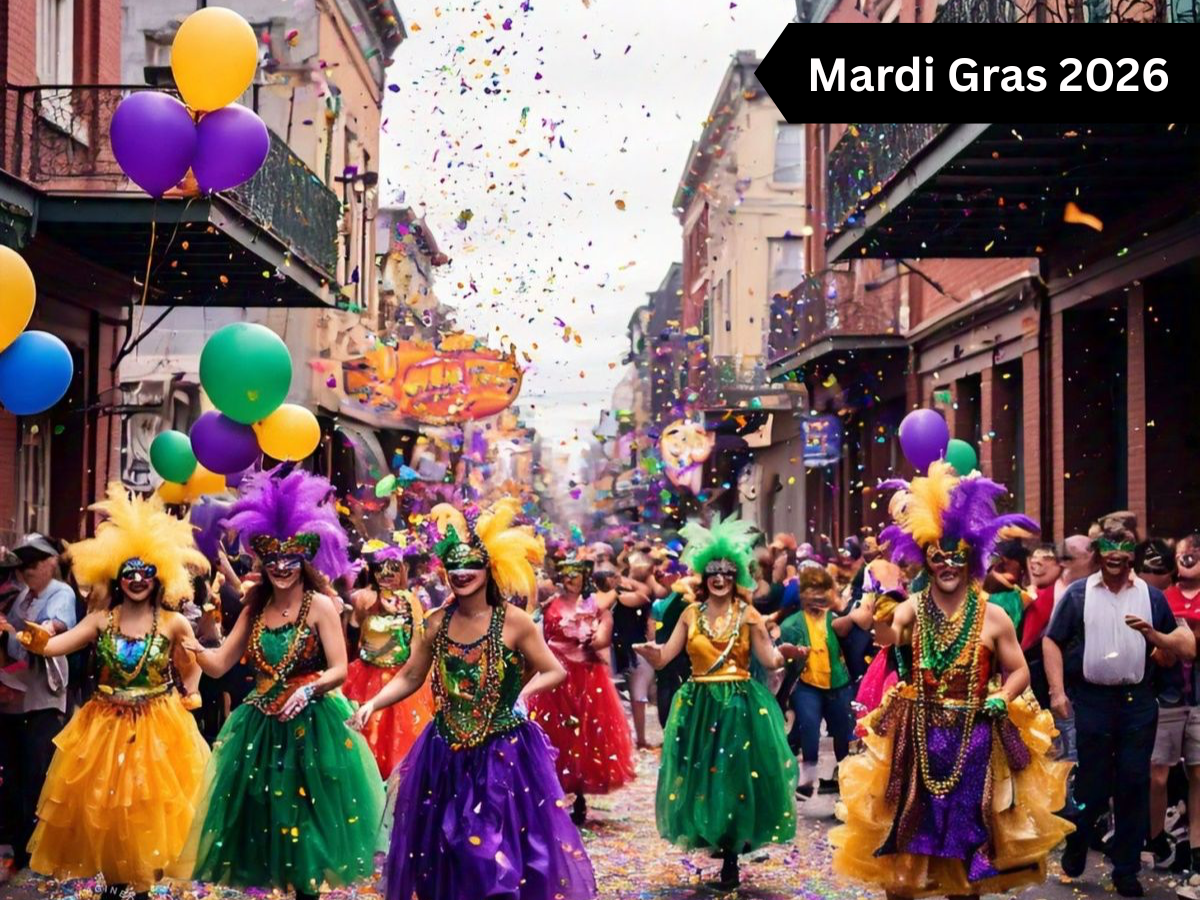
Revelers gather beneath purple, green and gold decorations during Mardi Gras in New Orleans (Photo: File)
Mardi Gras 2026 occurs on February 17th, marking the end of the exciting season of Carnival celebrations in New Orleans and beyond and it is also known as Fat Tuesday, combining religious tradition with parades, king cakes and other celebrations, attracting millions of visitors to one of the most iconic cultural events in America.
Mardi Gras, or Fat Tuesday, is the day before Lent, which is the biggest celebration of Carnival, a time that officially starts weeks earlier while different parts of the world have different customs, the general idea is that people come together to celebrate before a time of reflection. For Americans, the celebration is closely tied with New Orleans, which is perhaps the city that is most closely associated with Carnival.
In 2026, Mardi Gras will be on a Tuesday, February 17 and the date changes every year because it’s linked to Easter. Easter follows the lunar calendar and the day following Mardi Gras in 2026, February 18, marks Ash Wednesday and this marks the beginning of the 40-day Lenten period.
Carnival starts every year on January 6th, which is celebrated as Epiphany, also referred to as Three Kings Day means that in 2026, it will be a start of almost six weeks of scheduled celebrations before Fat Tuesday. During this time, dozens of parades will be held across the city, especially in New Orleans and the surrounding areas where many krewes have their balls months before the event.
The term itself has its roots in old French and the word Mardi means Tuesday and gras means fat. The tradition behind the name is that in olden days, people would indulge in fatty foods like meat, butter and sugar on this day before the fasting period of Lent. The tradition may not continue in the same way today, but food remains at the core of the celebrations.
The history of Mardi Gras runs deep and can be traced back to ancient Rome as Christianity spread throughout Europe, Christian leaders incorporated these ancient traditions into the Christian calendar. The tradition arrived in Louisiana with the French settlers in the late 1600s and early 1700s. There were periods when the revelry had to take place under restrictions during the Spanish period while the tradition continued. By the 1800s, krewes had begun to organize the parades that define Mardi Gras as we know it today.
While Louisiana gets most of the glory, other cities also participate in Mardi Gras. Mobile claims to have had the first American Mardi Gras in 1703. St. Louis and Galveston also have large Mardi Gras celebrations however, none compare to those in New Orleans in terms of scope and recognition.
The final leg of parades leading up to February 17 is filled with some of the season’s best moments in parading. On Monday, February 16, the Krewe of Proteus and the Krewe of Orpheus will roll in Uptown. Fat Tuesday begins early with the Zulu parade at 8 am followed by Rex at 10:30 am where the excitement will continue throughout Uptown, Metairie and surrounding towns, culminating the celebrations with a day-long spectacle of parading.
These colors, which include purple, green, and gold, define the look of the season. This color combination which includes purple for justice, green for faith and gold for power, was created by the organization known as Rex in 1892. Every year, this color combination is used for floats, costumes and the long strands of beads.
King Cake is the favorite dessert associated with Carnival and this sweet bread dessert is inspired by the Magi story in the Bible. King Cake has the richness of coffee cake with the warmth of a cinnamon roll where the cake is topped with purple, green and gold sugars. A small plastic baby is baked inside. Whoever finds it gets to bring the next cake or throw the next party and bakeries across Louisiana produce hundreds of thousands of king cakes during Carnival season.
Ash Wednesday, on February 18, 2026, marks the beginning of Lent for Christians, including Catholics, who attend church services with ashes put on their foreheads, signifying penitence and introspection. There is an abrupt shift from outward celebration to inward reflection. Mardi Gras not only lasts because of its enjoyment but also because of its connection between enjoyment and restraint, community and faith. There is a deeper story behind its shine, a story that continues to play out in Louisiana and beyond.
1. What is Mardi Gras or Fat Tuesday?
Mardi Gras meaning “Fat Tuesday” in French, is the final day of Carnival and the last celebration before Lent begins in the Christian calendar and it is marked by parades, feasting and cultural traditions in Louisiana.
2. When is Mardi Gras 2026?
Mardi Gras in 2026 falls on Tuesday, February 17 and the date changes each year because it is tied to the timing of Easter.
3. How long does the Mardi Gras season last?
The Carnival season begins on January 6 known as Epiphany or Three Kings Day and continues until Fat Tuesday. In 2026, that spans nearly six weeks of celebrations.
4. Why are purple, green and gold the Mardi Gras colors?
The traditional colors symbolize justice (purple), faith (green) and power (gold) and they appear on beads, floats, costumes and decorations throughout the season.
5. What is the connection between Mardi Gras and Lent?
Mardi Gras is the final day before Ash Wednesday, which begins the 40-day Lenten period of fasting, prayer and reflection observed by many Christians leading up to Easter.
Disclaimer: The information provided in this article is for informational purposes only where dates and parade details are subject to change. Readers should confirm local schedules with official event organizers.
