Dostoevsky’s quote on individuality, freedom, and personal growth, its meaning, philosophy, modern relevance, and key takeaway.
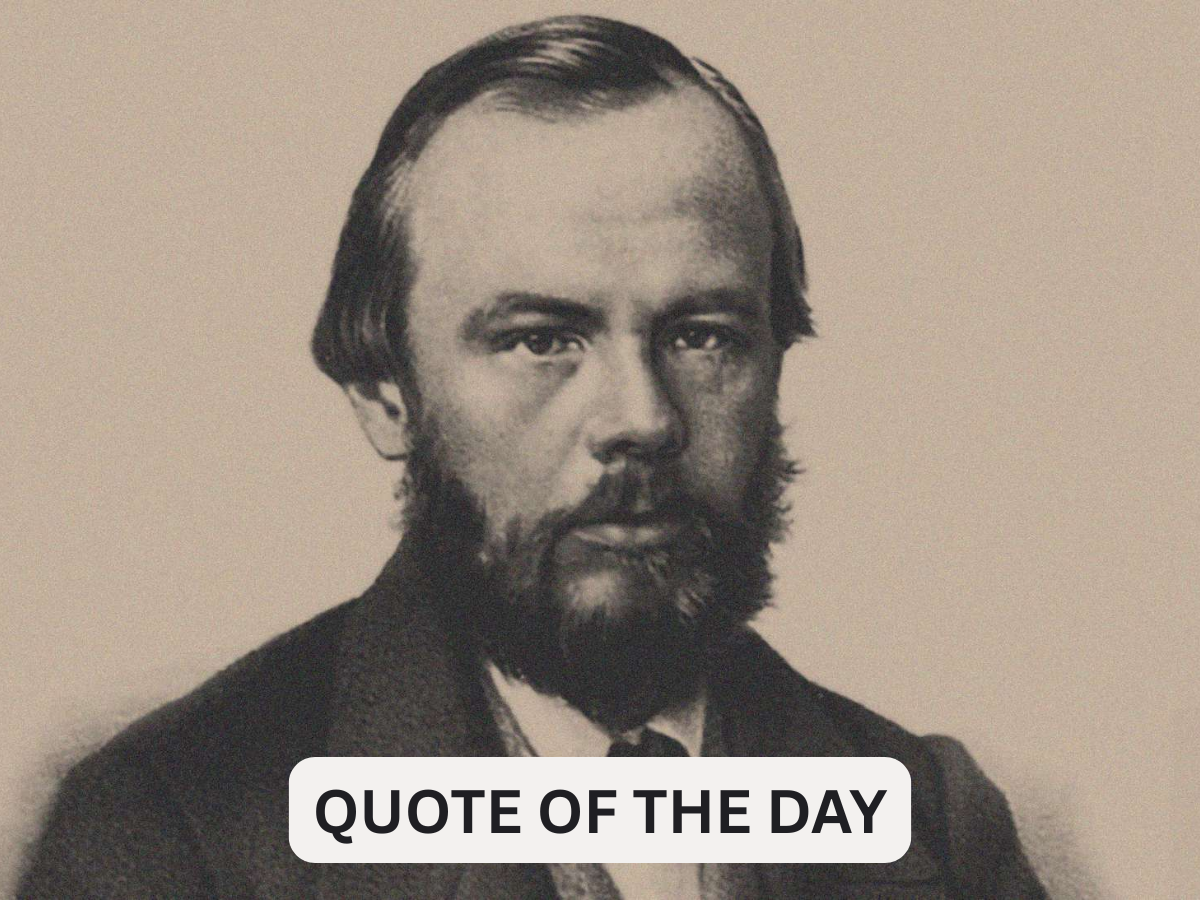
Check the meaning, background, modern relevance, and philosophical insight of Dostoevsky’s quote: “To go wrong in one's own way…”.
Quote of the Day “To go wrong in one's own way is better than to go right in someone else's,” by Dostoevsky: The Russian novelist Fyodor Dostoevsky said that people should choose their own paths instead of following established paths which others have created. The quote shows that people should choose their own life paths because they need to learn through their mistakes.
The quote suggests that making decisions according to your own beliefs and instincts is more valuable than blindly following others, even if your choices lead to errors. The concept supports self-sufficient behavior because it leads to the authentic development of individual capabilities. The most valuable lessons emerge through personal mistakes, while exact copies of successes bring only basic understanding.
Dostoevsky’s works examine three main human concepts, which include personal freedom, ethical principles, and individual character development. The quote shows existentialist beliefs, which state that true happiness comes from making independent choices despite potential negative outcomes. Kierkegaard and Nietzsche both believed that people should take responsibility for their actions while staying true to their authentic selves.
The fast-paced nature of modern life creates situations where people need to adapt their behavior according to social expectations, work demands, and the desires of their friends. The quote shows that people should follow their personal life journeys while making safe choices and developing skills through their unique situations instead of following what others choose to do. The philosophy holds special meaning for entrepreneurs who create businesses and for artists and innovators.
Dostoevsky did not develop his explanation for the quote, but his central idea shows that people need personal freedom and moral duty to reach their human potential. People acquire knowledge through their personal errors, which lead to their understanding of themselves and their capacity to make important decisions about their future.
This quote inspires courage, independence, and authenticity. Choosing your own path, accepting failures, and learning from them fosters growth, resilience, and genuine fulfillment, far beyond the rewards of mere conformity.
