Socrates believed that people must first recognize their limits of knowledge before they can achieve authentic comprehension of the world.
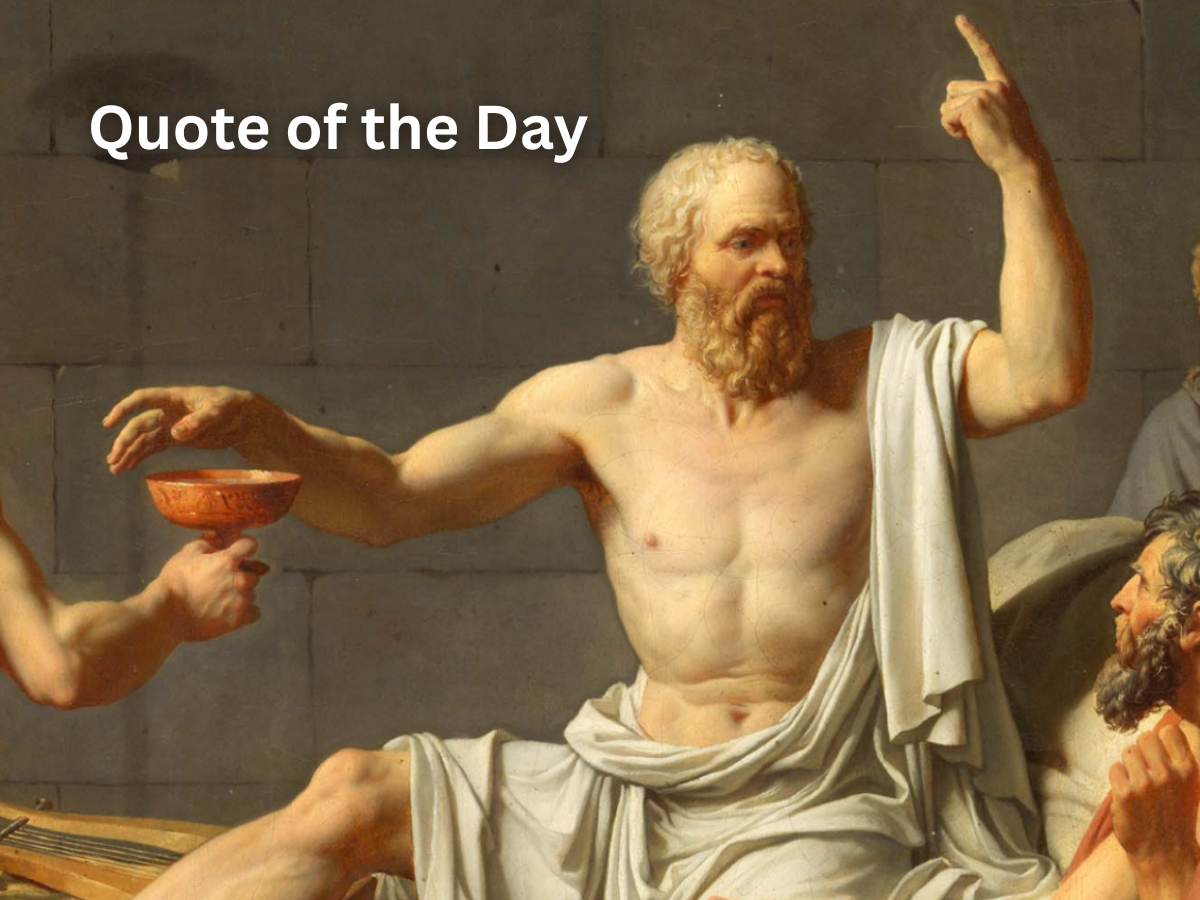
Check the meaning of Socrates’ justice quote, its historical context, modern significance, and lessons for ethical decisions today.
Quote of the Day 'To know, is to know that you know nothing; That is the true meaning of knowledge' By Socrates: 'To know, is to know that you know nothing; That is the true meaning of knowledge.' By Socrates: The ancient Greek philosopher Socrates stands as one of history's most significant thinkers because he examined knowledge, truth, and wisdom through his persistent quest for answers. The famous quote that follows describes his complete philosophical system: authentic wisdom starts when people accept their own limits. Socrates believed that people must first recognize their limits of knowledge before they can achieve authentic comprehension of the world.
The quote means that real knowledge comes from accepting that our understanding is incomplete. Learning stops when a person believes they already possess all knowledge. Socrates declared "I know nothing" to show people that he possessed intellectual honesty instead of promoting willful ignorance. People who understand their knowledge limits demonstrate a need to explore new information through questioning and active learning.
Socrates lived in Athens around the 5th century BCE and used the Socratic method, a form of dialogue based on asking probing questions. The Oracle of Delphi declared him wise according to historical records. Socrates saw this as proof that he had reached a better understanding than all people who believed they understood everything.
The current era shows information overload, which makes this quote more relevant than any previous time. Social media platforms, together with quick public reactions and incomplete information, create an environment that leads people to believe they possess complete knowledge. Socrates’ words remind us to question sources, stay open-minded, and keep learning. Humility serves as the essential value that drives progress and establishes trustworthiness across education, journalism, science, and leadership.
A professional who listens to feedback instead of assuming they are always right reflects this philosophy. Accepting gaps in knowledge helps improve skills and decision-making.
True wisdom lies not in knowing everything, but in recognizing how much there is still to learn.
