Check which Country is called the Gift of the Nile because the river enabled agriculture, settlement, and civilization in desert lands.
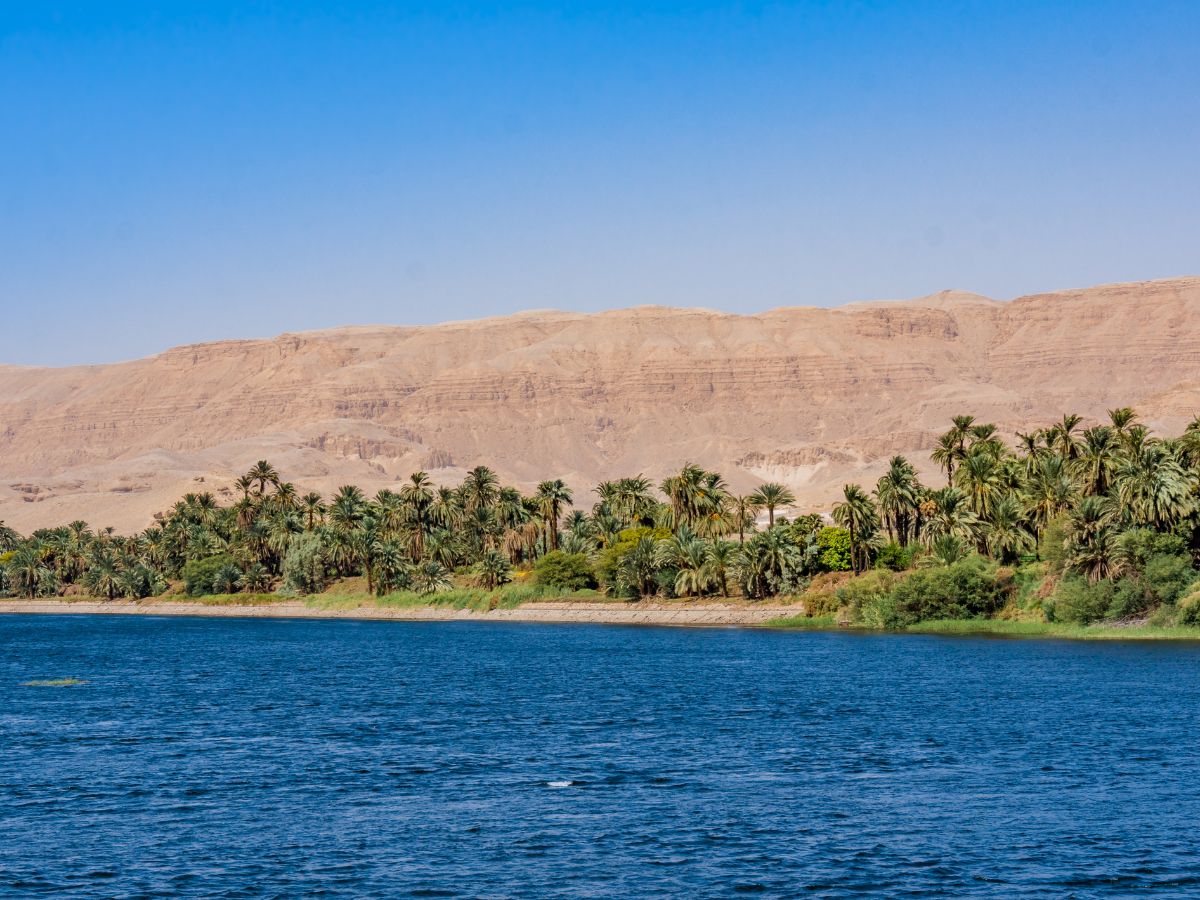
Egypt is called the Gift of the Nile as the river supported agriculture, settlements, and the rise of civilization in desert regions.
The expression "the Gift of the Nile" ranks among the most recognized terms used to describe historical events and geographical locations. The specific river demonstrates its power to create an entire civilization, which transformed lifeless territory into a prosperous cultural, agricultural, and political center. The title connects to the historical development of one of the oldest civilizations in the world.
The Gift of the Nile describes Egypt according to its ancient Greek historian Herodotus. The phrase describes Egypt's dependency on the Nile River for its survival and prosperity, according to Herodotus.
The Sahara Desert covers most of Egypt while the country contains multiple desert areas. The Nile River creates uninhabitable territory because it makes most land areas unlivable. The river flows from its southern origin to its northern destination while its banks experience annual flooding, which brings fertile silt.
The natural process created a foundation for agricultural development when people built communities along its waterway.
As you know, Ancient Egyptian society depended on the Nile River & is a primary source of water. The river provided drinking water and irrigation systems and delivered fertile soil to grow wheat and barley while serving as the main transportation route.
The river served as a trade route, which enabled people to exchange goods and ideas, thereby increasing Egypt's power as a civilization.
The Nile River maintains an essential role in supporting Egypt's economic activities. The river also supplies water for agriculture and hydroelectric facilities, while it also provides essential resources to support the daily activities of millions of people.
The riverbanks of Luxor and Cairo hold ancient temples and monuments and cities which demonstrate the river's enduring importance to culture.
