India is the world’s largest ginger producer, followed by China. Ginger is valued for its flavor, health benefits, affordable pricing, and can also be easily grown at home.
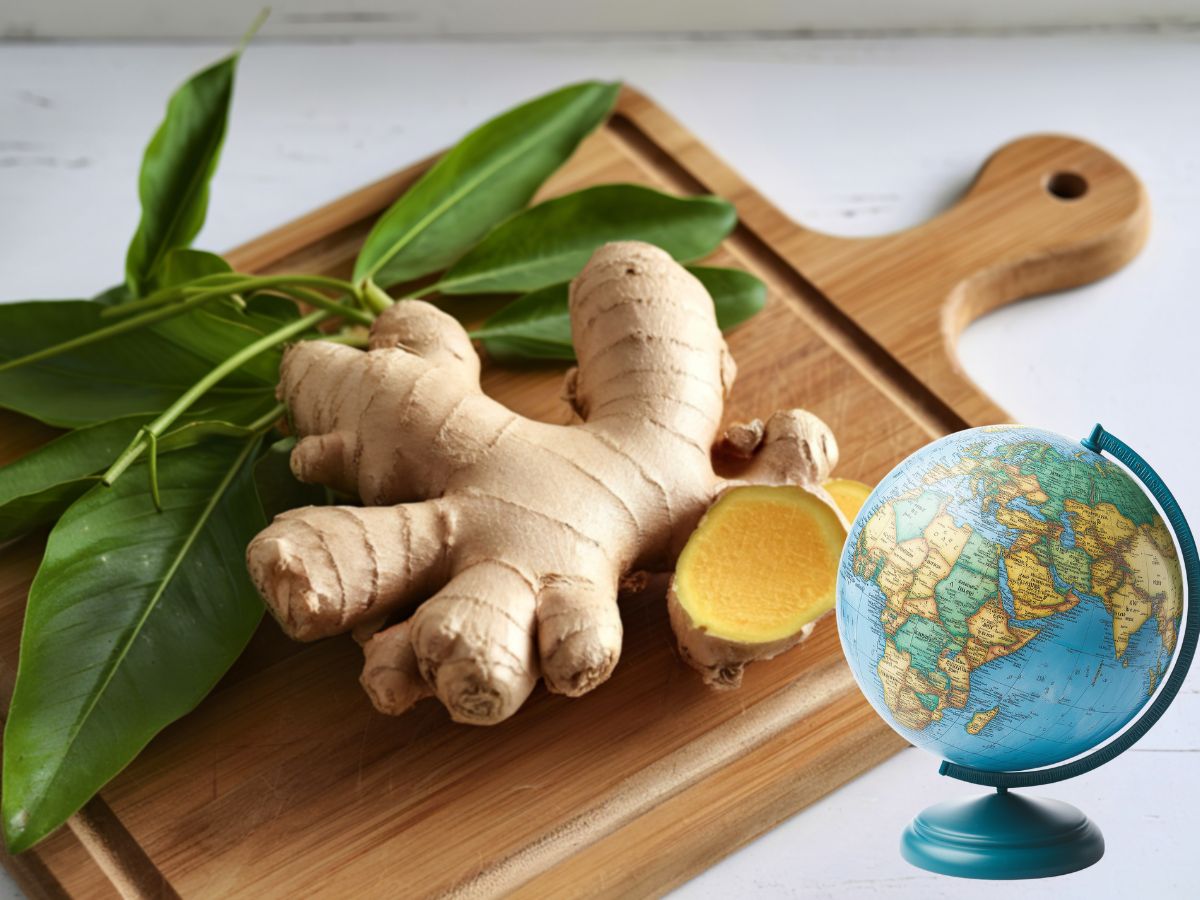
India ranks first in global ginger production. Learn about ginger prices, health benefits, blood-thinning properties, and easy home cultivation tips.
Ginger ranks among the most popular spices across the globebecause its intense tasteand its health benefits. Ginger functions as a crucial ingredient throughout the worldbecause it appears in teaand curriesand traditional healing practices. The answer to the question about which nation grows the highest amount of ginger worldwide needs to be discovered.
India holds the title of being the top ginger-producing nation across the world. The country produces a substantial portion of the world's ginger supply because its tropical climate allows for extensive ginger farming in Kerala, Karnataka, and Meghalaya.
People recognize Indian ginger because of its intense fragrance and substantial oil production. Chinese ginger has achieved worldwide recognition because of its ability to meet export standards. The choice of "best" ginger depends on its intended application as food, medical treatment, or industrial manufacturing.
India stands as the top nation for ginger production, with China and Southeast Asian countries following behind.
The price of 1 kg of ginger varies across different areas and times of the year. The retail prices in India usually fall between ₹80 and ₹200 per kg, depending on market demand, crop production, and geographical area.
The blood-thinning effects of ginger reach a moderate level. The substance assists with blood flow enhancement, while people using anticoagulant drugs should use the substance with caution.
People can grow ginger at their homes. The process for growing ginger at home requires users to plant a fresh rhizome. The plant needs well-drained soil, partial sunlight, and regular watering. The plant needs about 8 to 10 months to reach full maturity.
India leads the world in ginger production, making it a key player in the global spice market. Whether for cooking, health, or home gardening, ginger remains a versatile and valuable crop worldwide.
