The country generates 951 kg of waste per capita and ranks 36th globally in overall waste performance.
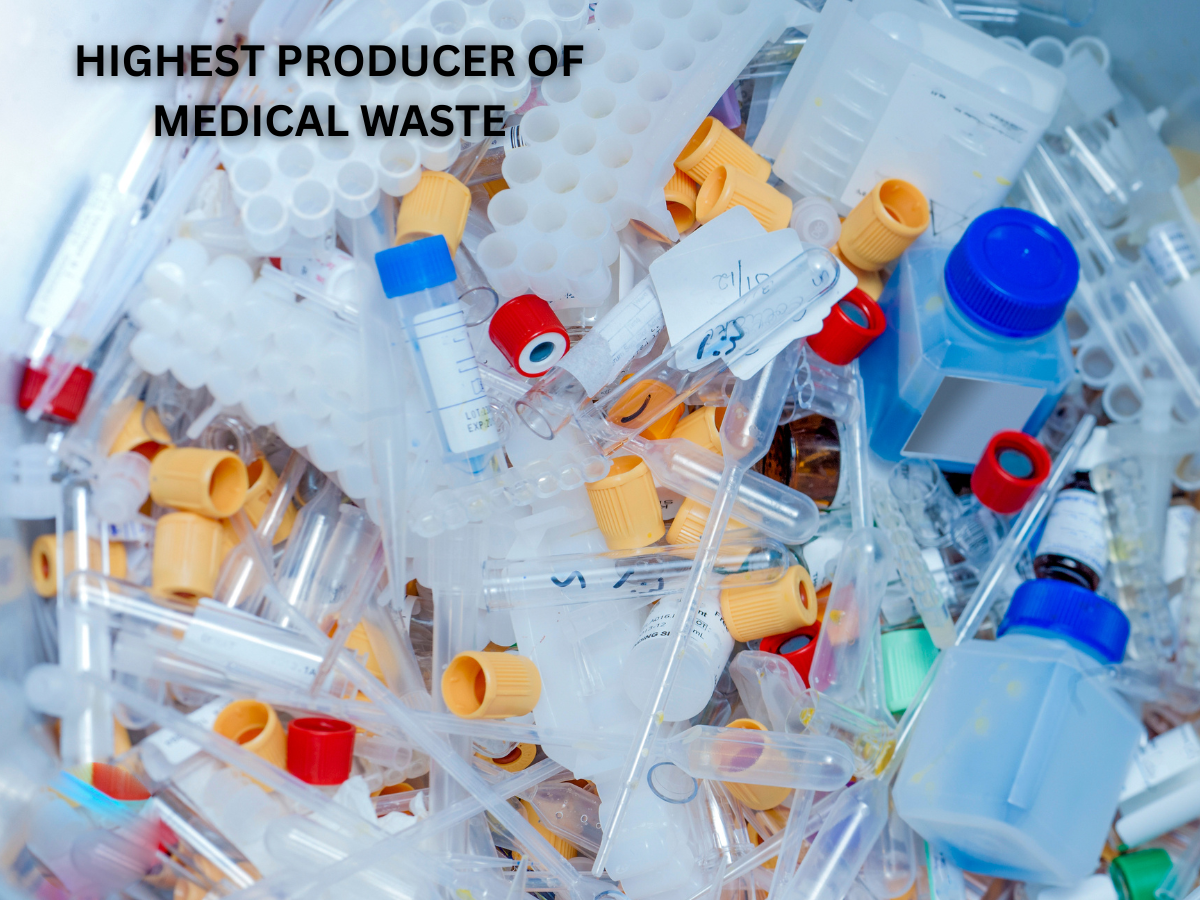
The United States is the highest producer of medical waste, generating 951 kg per capita. Learn about common medical waste types and health risks.
The healthcare system expansion, together with the introduction of new medical procedures and the increased use of disposable medical equipment, has resulted in an urgent problem of medical waste generation. The community needs safe waste management methods that will safeguard both public health and environmental sustainability. The country that generates the largest quantity of medical waste is the only nation that holds this record.
The United States generates 951 kilograms of waste for every person, according to the Global Waste Index 2025, which places the country at 36th position among all nations based on their waste management performance. The country has become the largest generator of medical waste throughout the world. The healthcare system of the country produces high medical waste because it maintains extensive medical facilities and has a big population, and permits extensive use of single-use medical items such as syringes, gloves, masks, IV kits, and surgical instruments. The United States produces enormous waste volumes, which exceed the waste levels of other countries despite following organized methods for waste management.
The most common form of medical waste shows infectious waste as its primary component. Used bandages and gloves, together with needles and syringes, and laboratory samples and materials that have blood or bodily fluids, need to be disposed of as medical waste. Healthcare facilities generate this waste daily, and it requires proper segregation and safe disposal to prevent the spread of infections.
Arsenic is widely known as the "king of all poisons." The name describes arsenic because it acts as an extremely poisonous substance that requires high-tech testing to identify its presence.
Improper medical waste disposal creates three major problems, which include infectious disease transmission, environmental contamination, and hazardous chemical emissions. The inadequate management of sharps waste creates a risk for transmitting hepatitis and HIV through improper handling practices. Communities require effective waste management systems that protect public health and ensure environmental protection.
