India is the world’s largest turmeric producer due to climate, tradition, strong demand, and an extensive export network.
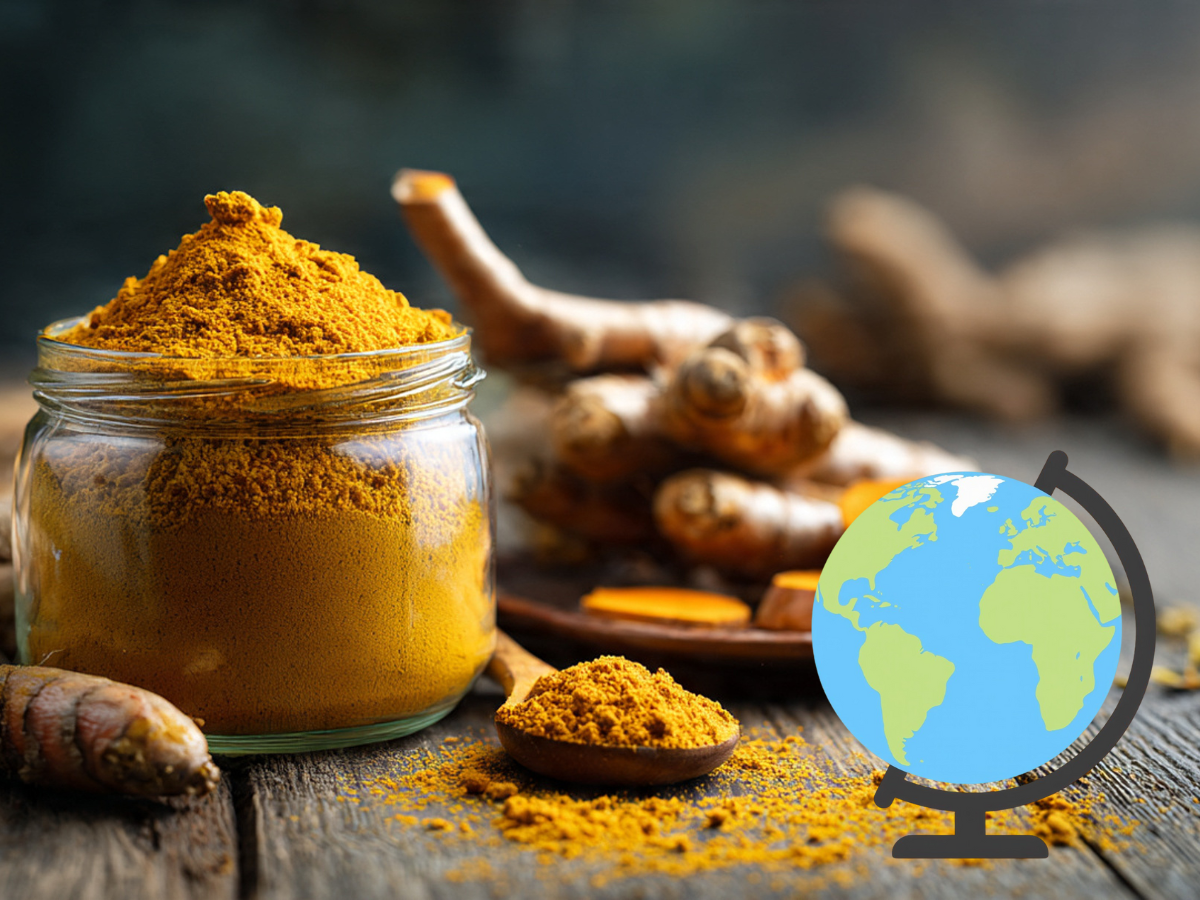
Check which country leads global turmeric production and explore the key reasons behind its agricultural dominance.
Turmeric has multiple applications in cooking, medicine, and cosmetic use. The yellow spice has existed as a dietary staple for centuries because of its numerous health benefits. But check which country has the largest production of turmeric globally? The exploration of this question will reveal its answer as well as the reasons that support it.
India is the world’s largest producer, consumer, and exporter of turmeric. The country accounts for nearly 70–80% of global turmeric production. The main turmeric-producing states of India include Telangana, Andhra Pradesh, Maharashtra, Tamil Nadu, Odisha, and Karnataka.
The region receives tropical weather conditions and possesses land resources that support agricultural success:
The term "Original" turmeric describes unprocessed, natural turmeric, which farmers cultivate without using synthetic color additives. The Indian varieties of Lakadong turmeric and Erode turmeric contain high levels of curcumin, which acts as the medicinal ingredient in their respective products.
Turmeric promotes health benefits, which become dangerous when people consume excessive amounts because this practice leads to stomach problems and acidity, and it affects the effectiveness of blood-thinning medications. Low-grade turmeric products sometimes contain synthetic coloring substances or other harmful materials.
Indian cuisine uses turmeric daily in curries, dals, and vegetables. It is also deeply rooted in Ayurvedic practices and religious rituals.
The climatic conditions, traditional practices, and market demand make India the top producer of turmeric. The requirement for purity exists because it serves the dual purposes of protecting health and maintaining authentic products.
