Check which is the brain’s smallest part, also crucial for sleep regulation, while the cerebrum is the largest.
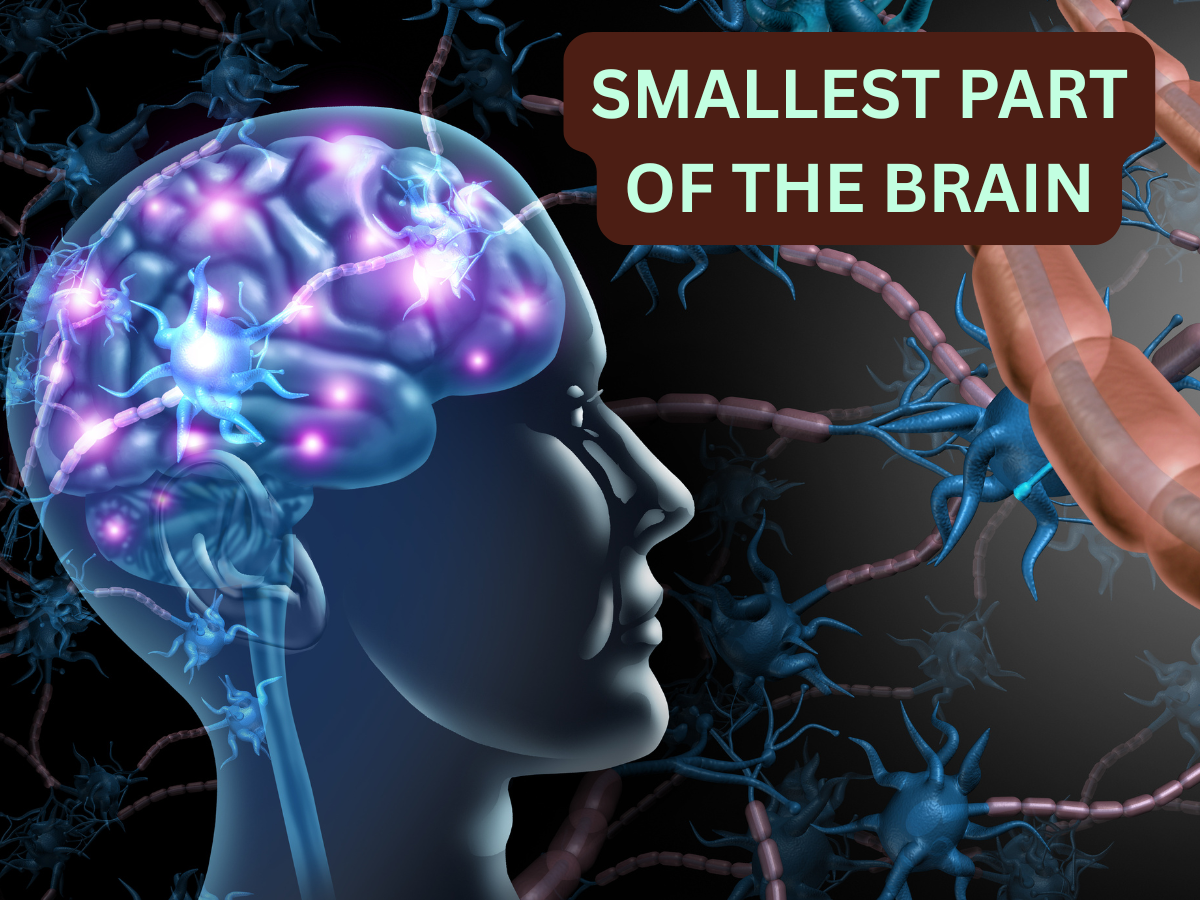
Here's the smallest and largest parts of the brain, their functions, and what happens if the pineal gland is damaged.
The human brain is a complex organ that controls all body functions, including movement, emotions, and memory functions. The pineal gland exists as the smallest part of the body, which serves an essential purpose.
The pineal gland is the smallest part of the brain, about 5–8 millimeters long and weighing roughly 0.1 grams. Located in the epithalamus, between the two hemispheres, it plays a key role in regulating sleep and biological rhythms.
Brain atrophy describes the condition of brain tissue loss, which can develop from natural aging processes, injuries, or neurodegenerative disorders such as Alzheimer's disease or strokes.
The cerebrum serves as the brain's largest section, which handles all aspects of body movement, sensory input, cognitive functions, and emotional responses.
The brain consists of several key parts:
Damage to the pineal gland may lead to disruption of melatonin production. This automatically leads to sleep disorders, irregular circadian rhythms, and potential hormonal imbalances.
The key purpose of the pineal gland is to produce melatonin. This helps to regulate sleep-wake cycles and helps maintain biological rhythms in the body.
Although tiny, the pineal gland is crucial for proper sleep and overall hormonal balance. It is very important to understand that all parts of the brain are crucial, from the smallest to the largest parts of the brain, which helps appreciate its intricate functions.
