Padma Shri awardee Pepita Seth, who has lived in India for over 50 years, recently acquired Indian citizenship by naturalization.
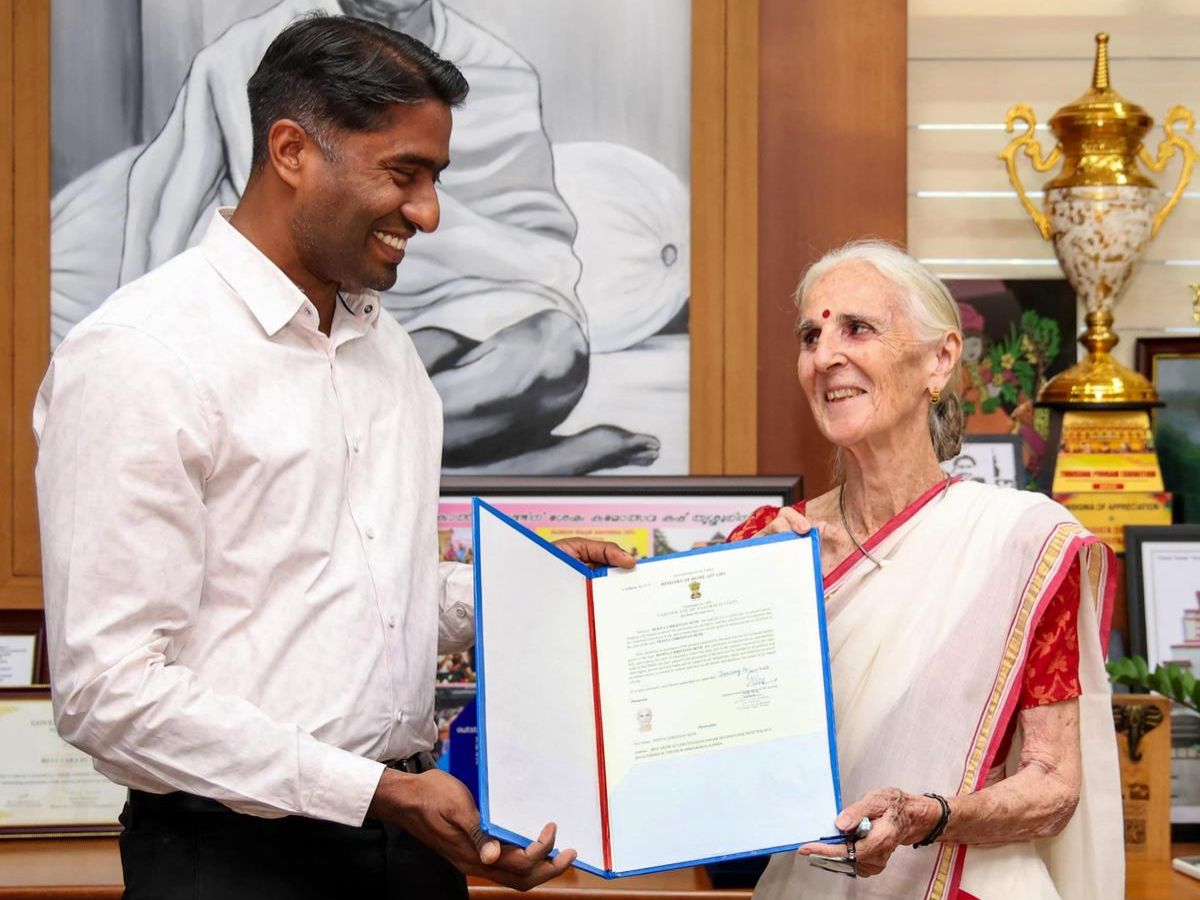
Pepita Seth used photography and writing to capture both ritual life and everyday moments, always with care and respect. (Photo: Social Media)
84 year-old writer-photographer Pepita Seth, who was born in the UK, officially became an Indian citizen on 6 February 2026. Thrissur District Collector Arjun Pandian handed over the citizenship document to Pepita Seth at the district collectorate office in Kerala on Friday. Reacting to the moment, Seth said she felt “immensely proud” to become an Indian, adding that India had long been her true home.
#WATCH | Thrissur, Kerala | Padma Shri awardee Pepita Seth says, "I was born and brought up in UK. I came to India and gradually, I arrived in Kerala... Slowly I grew interested in the culture here and wrote many books... I stayed here for nearly 12 years..." (06.02) https://t.co/96oBzpVFuP pic.twitter.com/8aHrpsBeSu
— ANI (@ANI) February 7, 2026
Pepita Seth is affectionately known by different names across India. Among the Theyyam communities of Kannur and at the Guruvayur temples, she is called “Aana Amma,” meaning elephant mother in Malayalam. She is also widely described as Kerala’s “adopted daughter.”
Her journey in India unfolded gradually. Seth first visited Delhi, then travelled to other parts of the country, including Mumbai, before eventually arriving in Kerala. It was there that she decided to stay for 12 years, saying that she was drawn to Kerala’s culture and its people.
Much of what Pepita Seth documented in Kerala existed only in memory and practice, with very little written or visual record. Her work became significant because it helped change that. By spending years travelling across the state, she observed temple festivals, Kathakali performances, and Theyyam rituals closely, taking the time to understand them rather than simply passing through.
Pepita Seth used photography and writing to capture both ritual life and everyday moments, always with care and respect. As her work reached audiences outside India, it helped bring wider attention to Kerala’s cultural traditions and ensured that many of these practices were recorded for future generations.
Pepita Seth grew up with an early connection to India through her family. Her interest in the country was shaped by the diary of her maternal grandfather, who had served in the British Army. She was married to actor Roshan Seth, widely known for portraying Jawaharlal Nehru in Richard Attenborough’s film Gandhi.
The marriage eventually ended in divorce. After this chapter of her life, Seth chose to live independently.
In 1981, Pepita Seth received rare permission under Hindu custom to enter the Guruvayur Sreekrishna Temple, reflecting the trust she had earned within Kerala’s cultural spaces. She described a similar experience with Theyyam, recalling that she was initially not allowed to photograph the ritual but was later welcomed once performers saw her sincerity.
Her contributions were formally recognised in 2012, when she was awarded the Padma Shri for documenting and interpreting Kerala’s cultural and artistic traditions for audiences in India and around the world.
