Petrichor is the pleasant, earthy smell after rainfall, produced when rain interacts with dry soil and plant oils.
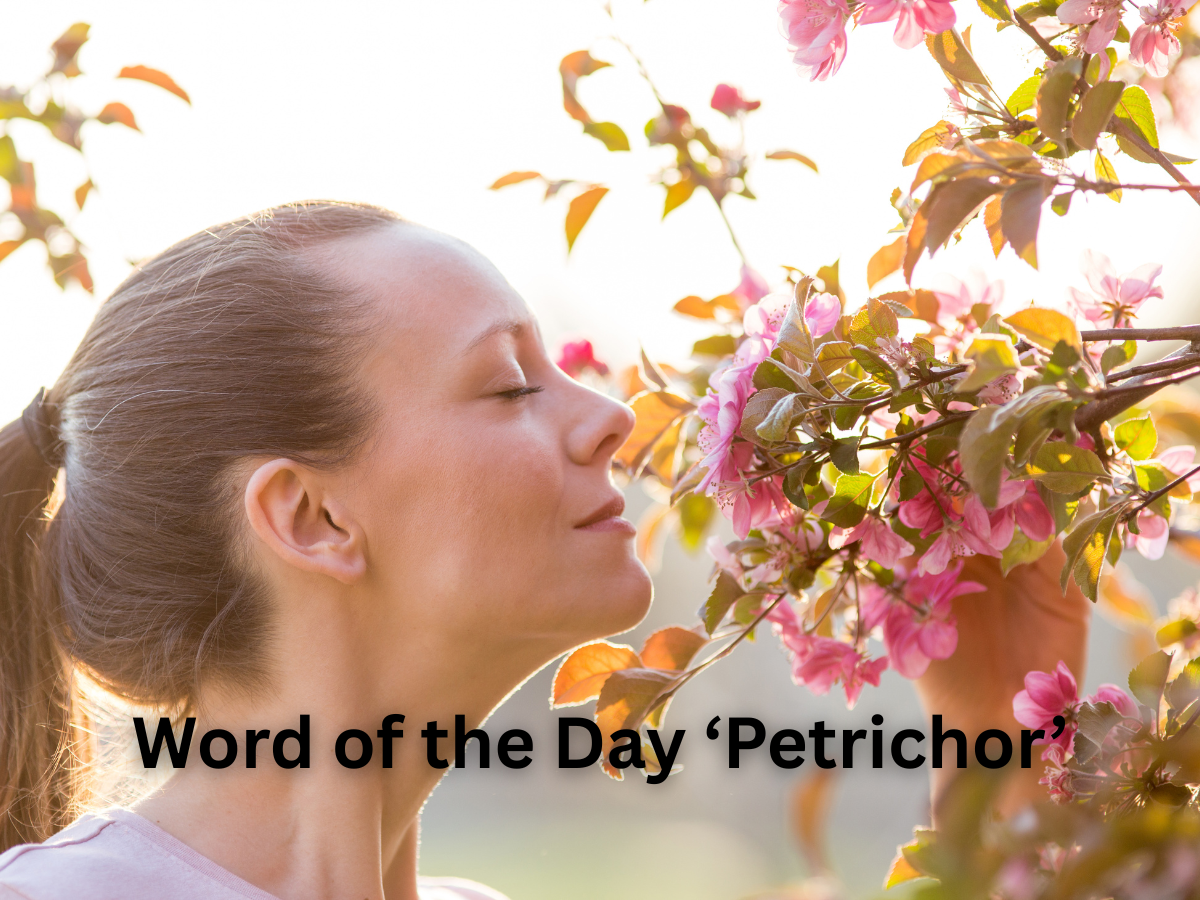
Learn the meaning, origin, pronunciation, phonetic spelling, IPA, and modern relevance of the word petrichor, which describes the pleasant smell after rainfall.
Word of the Day ‘Petrichor’: The English language contains many fascinating words that beautifully describe everyday experiences. The word "petrichor" describes the pleasant, earthy scent that emerges after it rains. When people smell this fragrance, which emerges after the first rain following a dry period, they experience both calmness and nostalgic feelings. The word has developed as a way to define a natural occurrence that most people recognize but previously lacked a specific name.
Petrichor describes the unique, enjoyable odor that develops when rainfall strikes parched earth, stones, and outdoor surfaces. The smell originates from the combination of plant oils with soil bacteria compounds, which take flight after contact with rainfall. The result is the refreshing scent which people associate with monsoon rains and clean outdoor conditions.
The term petrichor was first coined in 1964 by two Australian scientists, Isabel Joy Bear and Richard G Thomas. The word combines two Greek terms, "petra," which means stone, and "ichor," which describes the divine fluid that flows through the veins of Greek gods. The term poetically expresses the essence of stone, which appears in nature after rain.
Phonetic spelling: PET-ri-kor
IPA pronunciation: /ˈpɛtrɪkɔːr/
The fast-moving urban environment of today uses rain odors as a brief escape, which provides both peace and restful moments. People associate petrichor with three emotional states, which include fresh feelings, nostalgic memories, and inner peace. The scent of petrichor functions as a rain arrival signal in various cultures, particularly in India, where monsoon seasons dominate.
Petrichor is a beautiful word that captures a familiar natural experience, the refreshing scent of rain on dry earth. It reminds us of the deep connection between language and nature.
