This word is usually used to describe someone who wavers or deliberately dodges commitment.
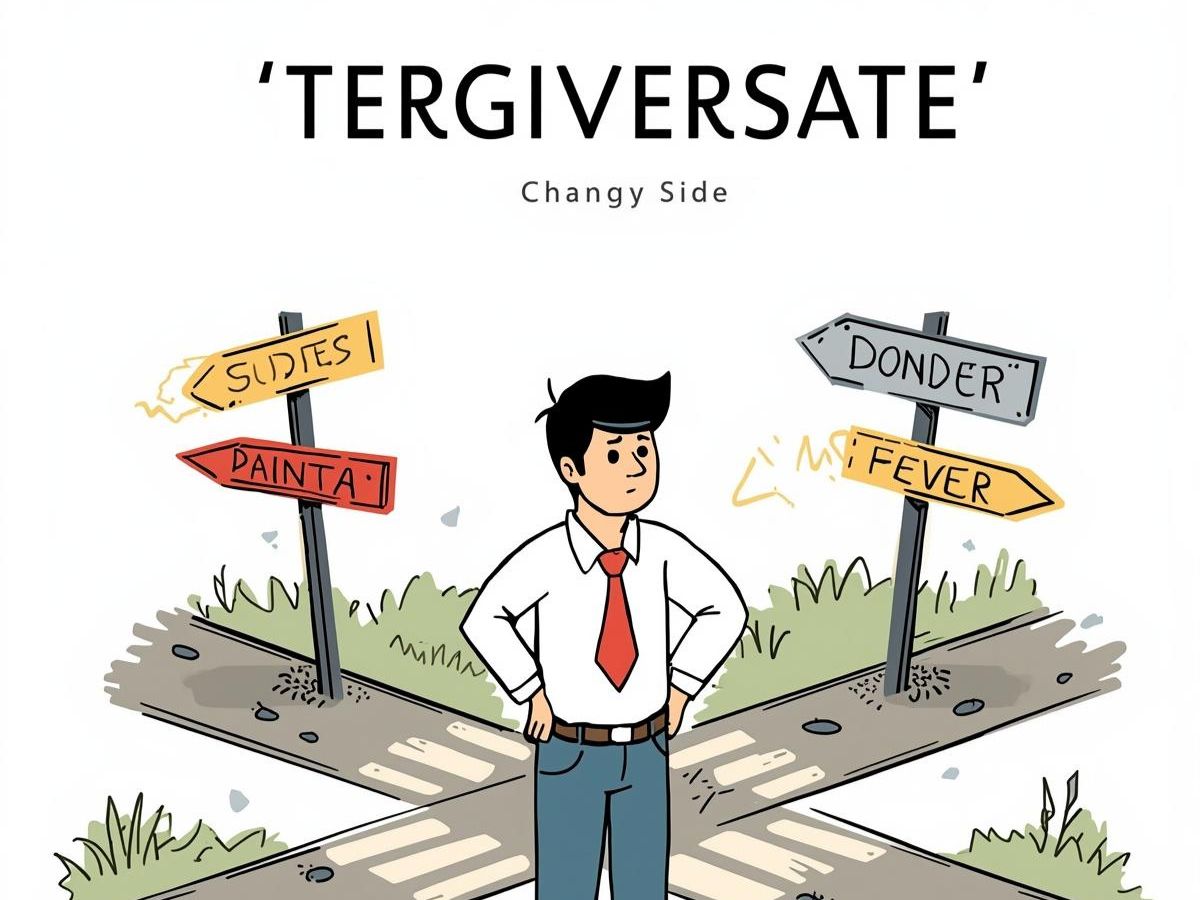
As you have observed, that lLanguage has a way of capturing human behaviour with surgical precision, and “tergiversate” is a perfect example. Hence, this explains the meaning of a habit for many of us recognise instantly, especially in politics and public life.
The word " tergiversate " refers to avoiding making a clear and crisp decision, to change one’s position repeatedly, or to evade giving a direct answer. This often leads to escaping responsibility or controversy. This word is usually used to describe someone who wavers or deliberately dodges commitment.
The word originates from the Latin tergiversari, which refers to “to turn one’s back”. This word is a mix of tergum (back) and versare (to turn). Over time, the term evolved to signify not just physical turning away, but also intellectual or moral retreat from a firm stance.
In today’s media-driven and politically charged environment, tergiversate is strikingly relevant. Politicians are often accused of tergiversating when they shift positions on policies, alliances, or promises. This word Tergivesate can be applicable for corporate leadership, diplomacy, and even everyday workplace dynamics, hence individuals may hesitate to take a firm stand to avoid backlash.
With public scrutiny at an all-time high, the ability or tendency to tergiversate can significantly affect credibility and trust.
After having a word with the minister continued to tergiversate on the issue, frustrating voters who wanted a clear and honest response.
Tergiversate is a sharp word for moments when clarity is expected, but evasion prevails. Knowing and using it allows you to precisely describe indecision and strategic ambiguity, making your writing sound more nuanced, analytical, and authoritative.
