Afghanistan vs Pakistan Tensions: Afghanistan launches retaliatory strikes after Pakistani air raids, escalating tensions along the disputed 2,611-km Durand Line border.
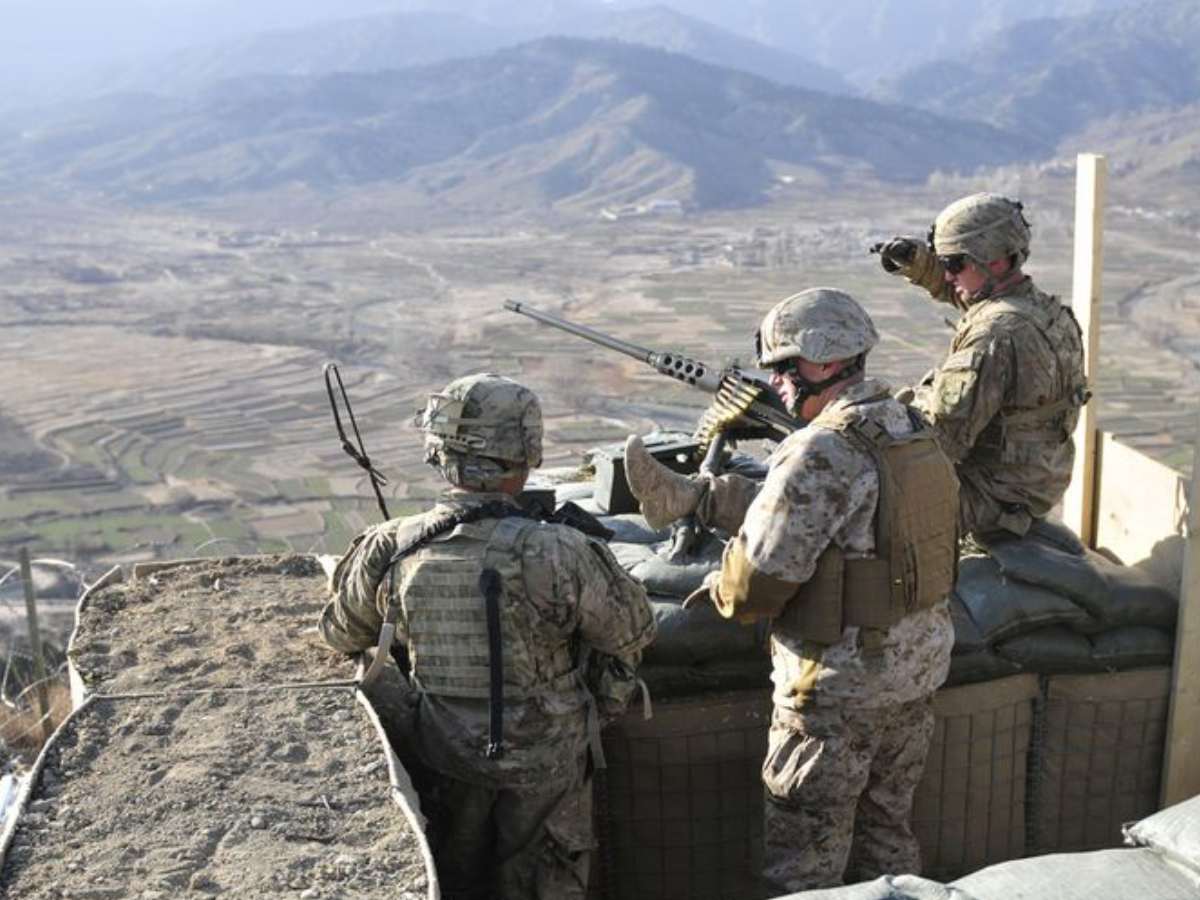
Smoke rises near the Afghanistan-Pakistan border as cross-border artillery exchanges intensify (Photo: X)
Afghanistan-Pakistan Cross-Border Tensions: Fresh cross-border attacks have pushed the level of tension between Afghanistan and Pakistan to a perilously new level. Afghan officials claim that they struck back after Pakistani air operations killed dozens of people within Afghan territory with this latest escalation is taking place along the 2,611-kilometer Durand Line, which Kabul has never recognized as the official border between the two countries wider confrontation is growing.
According to Afghan military officials, that intense fire was directed at Pakistani outposts in the region following airstrikes that were attributed to Islamabad. Pakistan had already launched operations along the border, claiming that at least 70 militants were killed while Afghan authorities disputed the claims, saying that civilians were affected and women and children were among the dead. The heart of the problem is that there is a blame-shifting game going on as to who was attacked where both countries claim that the other is the aggressor and there is very little confirmation due to restricted access to the affected areas.
The Durand Line, which is 2,611 kilometers long has been a contentious issue for a long time. Pakistan recognizes it as an international boundary, but Afghanistan has questioned its validity several times. This unresolved issue continues to trigger offshoots of conflict, particularly in areas such as Nangarhar, Paktia and Khyber Pakhtunkhwa in Pakistan. Pakistani security officials said they responded to what they termed “unprovoked fire,” with the fighting extending from the Khyber district into other regions.
The Taliban administration in Afghanistan has initiated large-scale military operations against Pakistani border positions along the disputed Durand Line and this follows recent airstrikes blamed on Pakistan. Taliban spokesperson Zabihullah Mujahid announced the offensive via X post, claiming capture of 15 checkpoints, many Pakistani soldiers killed or taken alive and consolidation of positions using laser-guided weapons.
According to Afghanistan’s Defence Ministry, the Pakistani attacks targeted civilian areas such as a residential area, a religious madrassa and several houses. The Afghan government considered the attack a violation of the country’s sovereignty and airspace while Pakistan claimed that it had carried out accurate counter-terrorism strikes without any independent and neutral sources to verify the number of casualties, it is difficult to determine the humanitarian cost of the attack however both countries have reported that dozens of people were affected.
This confrontation did not occur out of the blue. In October, reported border clashes resulted in dozens of deaths, both military and civilian. Previous bombings in the capital of Kabul were attributed to players on the Pakistani side of the conflict, leading to retaliatory attacks at the time. A ceasefire, facilitated by Qatari mediation, reduced the intensity of the fighting, but occasional small exchanges continued where as in November, diplomatic efforts at a framework agreement failed.
The pressing threat is that the situation could escalate and the ongoing bombardments may unsettle the areas along the borders, which are already fragile from militant attacks and economic troubles. Both nations face demands from their own citizens to demonstrate strength, making it more difficult to make concessions on the diplomatic level. Ultimately, military strikes can be a rapid way to get a point across but are rarely effective in addressing the source of the dispute.
