Bad Bunny's Super Bowl halftime show was full of meaning. We decode the "Together, We Are America" message, the Puerto Rican flag's color, power line props, and the unifying call of "we're still here."
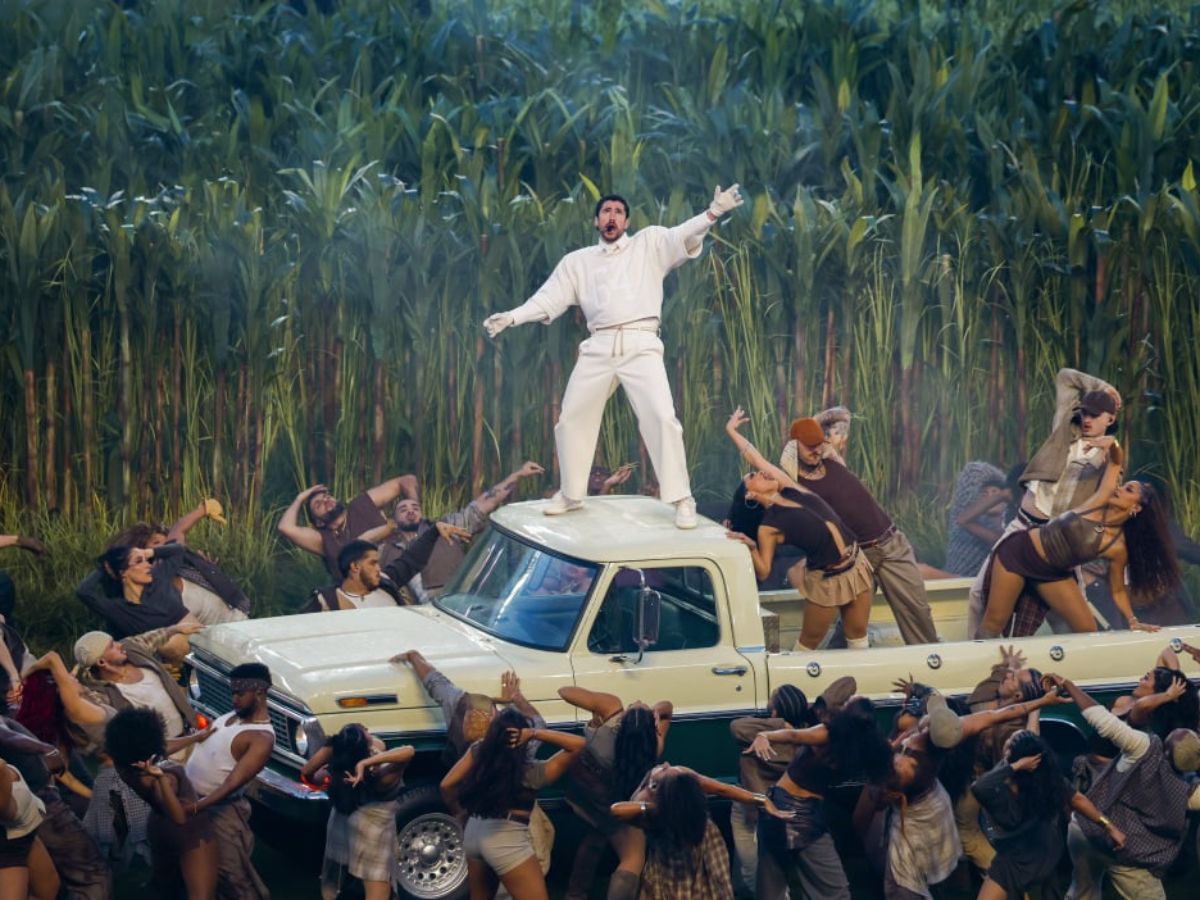
Bad Bunny Super Bowl halftime show explained (Image: File)
In a historic, Spanish-dominant Super Bowl halftime show, global superstar Bad Bunny delivered a potent 13-minute performance rich with cultural and political symbolism. The Puerto Rican performer highlighted the uniqueness and challenges of his native country while promoting a unifying vision of the Americas on the biggest stage in the world.
The show culminated in a parade of flags and a declaration of "we're still here," spiking a football inscribed with "Together, We Are America."
The show's climax was a deliberate redefinition of the word "America." Bad Bunny, born Benito Antonio Martínez Ocasio, shouted "God Bless America" before naming dozens of countries across North, Central, and South America, concluding with his birthplace, Puerto Rico. He then declared, "seguimos aquí" ("we're still here"), spiking a ball with the phrase "Together, We Are America." Fan Gabriel Alejandro Negron Torres told ABC News this challenged the U.S.-centric use of "American," emphasizing, "the premise that we're all Americans in the Americas."
The Puerto Rican flag Bad Bunny carried showed a lighter shade of blue, a detail with strong political meaning. According to Carlos A. Morales-Ramírez, a geography professor at West Chester University, a 1995 color change gave the flag ideological meaning: pro-independence supporters prefer the lighter blue, while pro-statehood supporters usually favor the darker blue. By choosing the light blue version, Bad Bunny made a subtle but clear statement about Puerto Rico’s political identity on a global stage.
From a staged sugar cane field to a bright casita and the streets of San Juan, complete with domino players and a piragua (shaved ice) vendor, the set was a vivid tour of Puerto Rican life. It also directly referenced the island's ongoing infrastructure crisis. Bad Bunny climbed prop power line poles, a stark visual nod to the frequent power outages that still plague Puerto Rico eight years after Hurricane Maria—a Category 5 storm that caused nearly 5,000 deaths and catalyzed a continuing exodus from the island.
The guest list reinforced themes of Latino pride and solidarity. Fellow Puerto Rican icon Ricky Martin and Colombian star Karol G highlighted musical unity. Lady Gaga performed a salsa version of her song and wore a dress adorned with Puerto Rico's national flower, the flor de maga. Appearances from Pedro Pascal, Jessica Alba, and Cardi B emphasized the show’s wide cross-cultural appeal. Each cameo echoed its main message of inclusive celebration and common heritage.
A: The slogan, which means "we're still here," was used to express the Americas' peoples' tenacity and enduring presence in the face of historical adversity, discrimination, and natural disasters. Puerto Ricans in particular were a part of this statement.
A: Puerto Rico is a U.S. territory, not a state. Its 3.2 million residents are U.S. citizens but cannot vote in general presidential elections and have a non-voting representative in Congress. The performance served as a global reminder of this contested political identity.
A: By emphasizing on a pan-American identity that encompasses but is not restricted to the United States, it visually and acoustically expressed the diversity of the Americas and directly challenged a monolithic interpretation of the term "American."
A: Fans like Gabriel Alejandro Negron Torres, who shares Bad Bunny's hometown of Vega Baja, expressed overwhelming pride, seeing the show as an invitation to enjoy Latino culture with "respect, dignity, admiration and love."
Disclaimer: This information is based on inputs from news agency reports. TSG does not independently confirm the information provided by the relevant sources.
