Bangladesh is holding its first general election after Sheikh Hasina’s exit, marking a crucial moment for the country’s democratic reset.
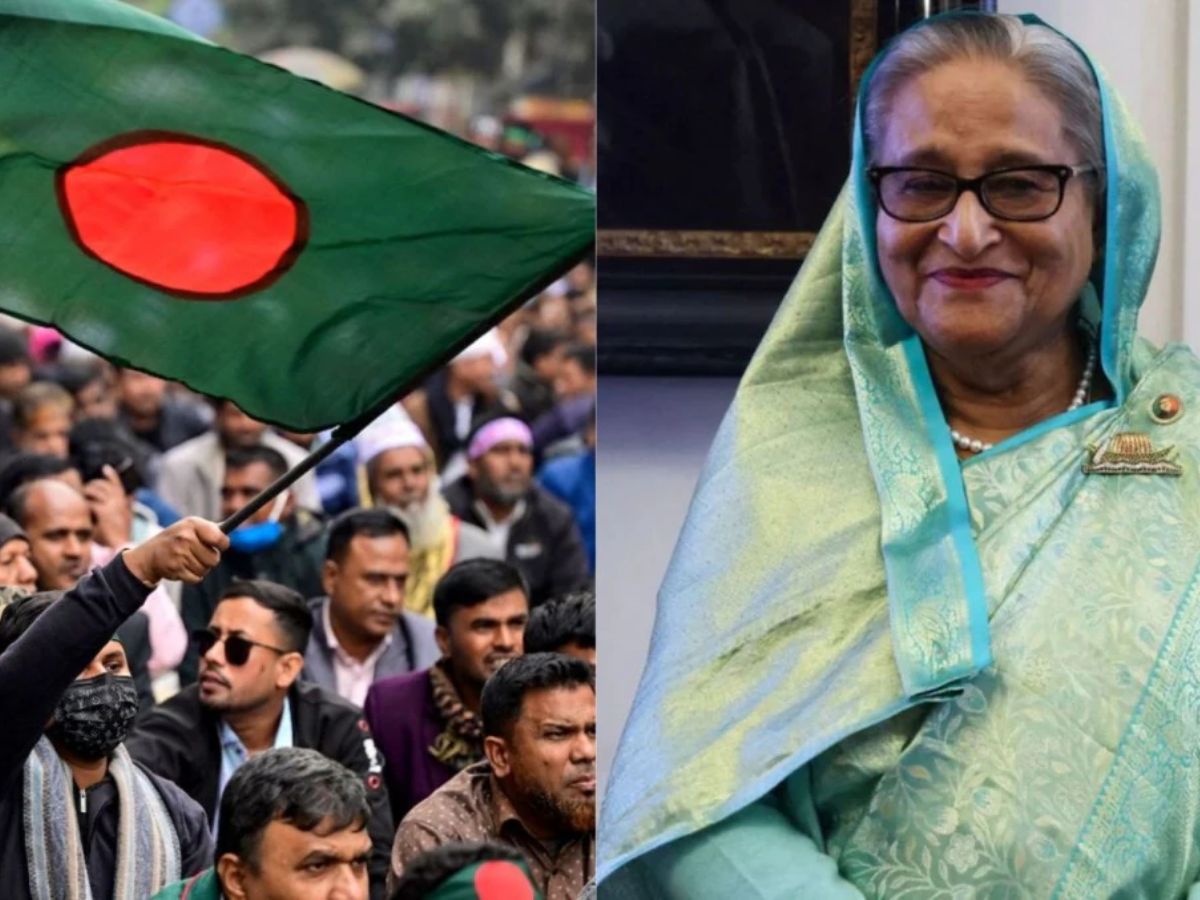
Bangladesh General Election 2026 Key Facts as Nation Votes After Sheikh Hasina Era (Source: X)
Bangladesh Election 2026: Voting is underway in Bangladesh today, February 12. This is a landmark general election that comes after the end of former prime minister Sheikh Hasina’s 15-year rule. This is the first national election since a mass uprising forced her removal in August 2024. Many voters hope the polls will restore democratic norms after years of controversial elections and shrinking political space.
The transition process is being supervised by Nobel Peace Prize laureate Muhammad Yunus. Public expectations are high that the vote could reshape Bangladesh’s political future.
Here are 10 important facts to know about the Bangladesh election 2026.
This is the first general election in Bangladesh since Sheikh Hasina was removed from office in August 2024. Her departure ended more than a decade of uninterrupted leadership, making this vote a major political turning point.
The Awami League, which won the last four parliamentary elections, has been barred from participating. This has left millions of long-time Awami League supporters without a party on the ballot.
The contest is largely seen as a “bipolar contest”. The Bangladesh Nationalist Party (BNP), led by Tarique Rahman, is facing an 11-party alliance led by Jamaat-e-Islami, along with the student-backed National Citizen Party (NCP).
Voters are casting two ballots on election day. The white ballot is for the parliamentary election, while the pink ballot is for a referendum on the July National Charter. The charter proposes key constitutional reforms, including a two-chamber parliament and term limits for the prime minister.
This election has been described as the world’s first “Gen Z-inspired” vote. The National Citizen Party (NCP), formed by leaders of the 2024 student uprising, has emerged as a major new political player.
Polling is being held from 7:30 am to 4:30 pm at more than 42,700 polling stations nationwide. Official election results are expected to be announced on the morning of February 13.
Bangladesh has 127.7 million registered voters for this election. The voter list includes a record number of first-time and young voters, reflecting strong youth participation.
For the first time in Bangladesh’s election history, nearly 15 million overseas workers are eligible to vote using postal ballots, expanding democratic participation for expatriates.
Key election issues include corruption, rising prices, and unemployment. Inflation is forecast to reach 8.7%, making the cost of living a major concern for voters.
The election result is expected to influence Bangladesh’s foreign relations. A BNP-led government may move closer to India, while a Jamaat-led alliance could seek stronger ties with Pakistan and Turkey.
