
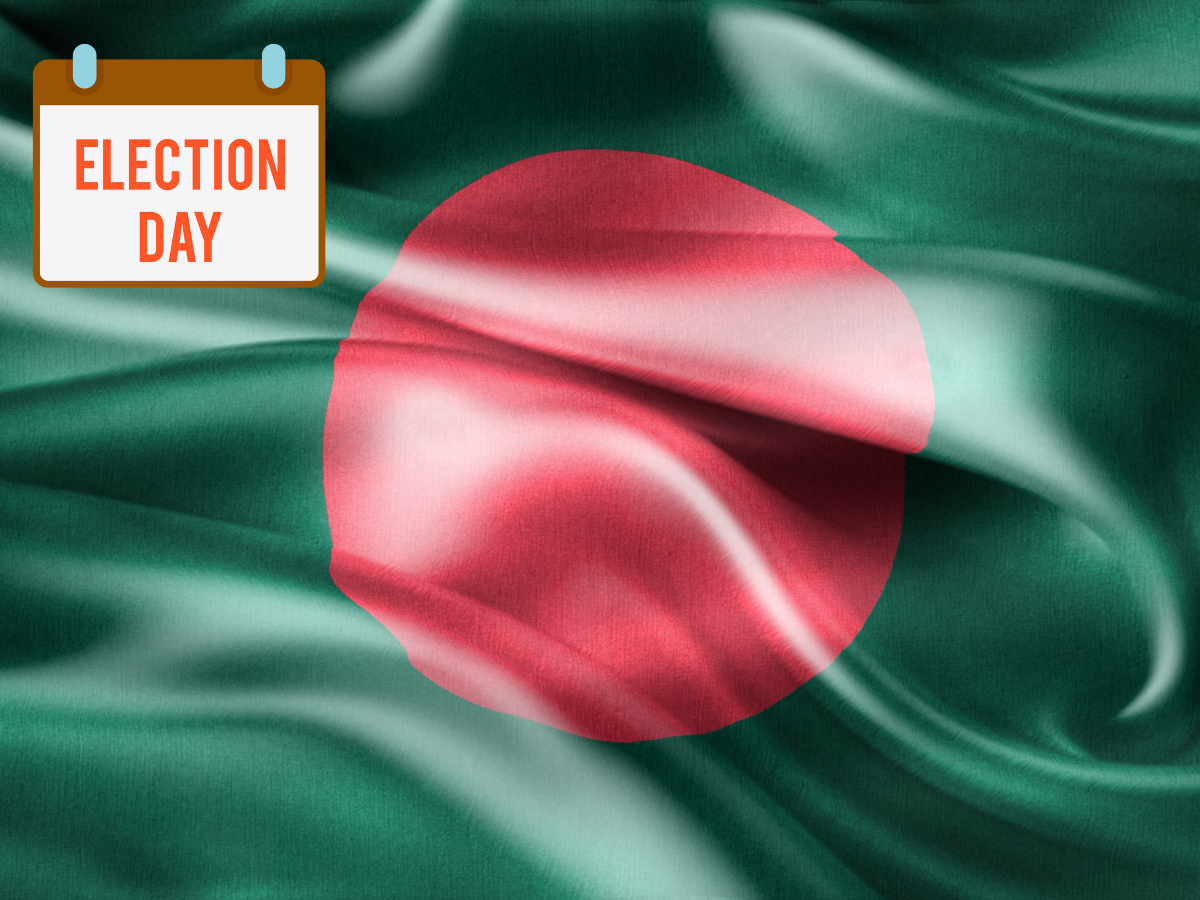
Bangladesh Election 2026: Bangladesh is heading to the polls on 12 February 2026 for its 13th general election, the first competitive national vote since the 2024 mass uprising that ousted long-time leader Sheikh Hasina and reshaped the country’s political landscape.
How Many Parties and Seats
As per the reports, there are 51 political parties that will participate in the nationwide elections. The postponed voting process will proceed through 299 electoral districts after one district was removed from the election because a candidate died.
Total Candidates
The Election Commission reports 2,034 candidates, who include party and independent contenders, are contesting seats, with 275 independents and a mix of male, female, and third-gender candidates.
Major Parties & Alliances
The main electoral competition exists between the Bangladesh Nationalist Party BNP led coalition and an Islamist alliance, which Jamaat-e-Islami controls. The Awami League political party, which has governed Bangladesh for many years, is currently suspended from all political operations.
Top 5 Candidates to Watch
- Tarique Rahman serves as the BNP leader, and he intends to become prime minister.
- Shafiqur Rahman leads the Jamaat-led alliance as its chief.
- Nahid Islam leads the National Citizen Party NCP youth reform movement.
- The Gono Odhikar Party candidate serves as a major independent political source.
- The Jatiya Party candidate represents a common political figure from traditional Bangladeshi political circles.
Important Seats
Key seats include Gazipur-2 with over 800,000 voters and Jhalakathi-1, which has one of the smallest electorates, making both crucial battlegrounds.
Timings
Polls will operate nationwide from 7:30 AM to 4:30 PM local time using paper ballots and transparent ballot boxes at more than 40,000 stations.
Sheikh Hasina & Related Unrest
Sheikh Hasina, now in exile, has criticised the electoral process, claiming it lacks inclusivity without her party’s participation. Protests and political unrest have marked the run-up to voting, highlighting deep divisions over Bangladesh’s democratic direction.
With over 127 million registered voters, this election is a pivotal moment for Bangladesh’s democracy, testing both political reforms and national stability after years of upheaval.




