Bangladesh Election 2026: It heads with 12.77 crore voters, an interim government and a political reset after years of upheaval.
Voters prepare for Bangladesh’s 13th parliamentary election at a polling station ahead of February 12, 2026 (Photo: X)
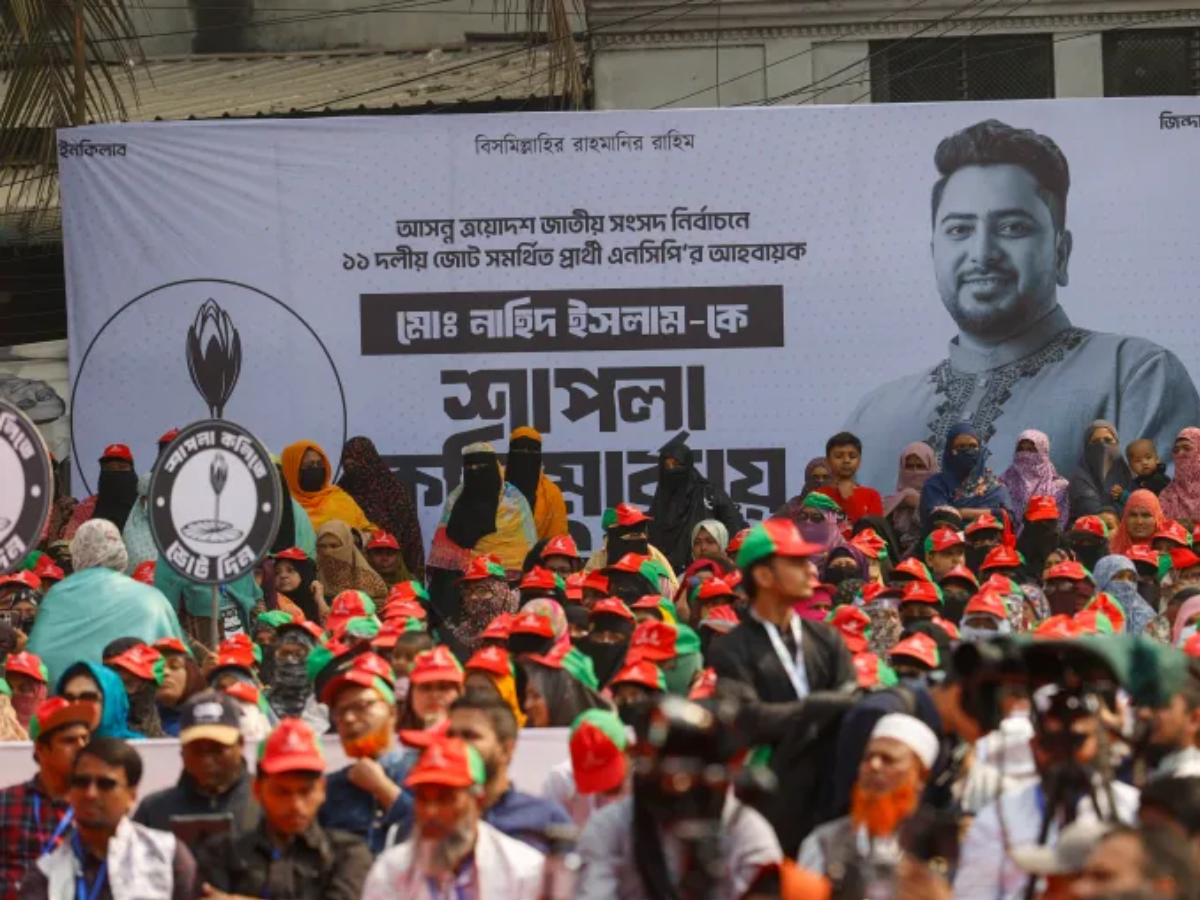
Bangladesh Election 2026: Bangladesh has been preparing for this historic moment as people head to the polls on February 12, 2026. On that day, the country will hold the 13th national parliamentary election along with a nationwide constitutional referendum with over 127 million registered voters and a political scene that has evolved after years of turbulence, this election is viewed across large sections as a point of inflection where governance might change, along with representation and the extent of faith in democracy.
Polling will take place across the country on Thursday, February 12, 2026, from 7:30 a.m. to 4:30 p.m. without any scheduled breaks. Voting will be conducted at over 42,000 polling stations with security agencies deployed nationwide to ensure a smooth and peaceful process.
Vote counting will begin immediately after polls close at 4:30 p.m. on election day and the official results are expected on February 13, 2026, covering both the parliamentary vote and the constitutional referendum.
According to updated electoral rolls, Bangladesh has 12.77 crore registered voters.
The figures reflect efforts to expand participation and ensure inclusivity, including the introduction of postal voting for overseas workers.
This election, following a period of chaos characterized by large-scale protests in 2024 and the dissolution of parliament, has an interim government presided over by Nobel laureate Muhammad Yunus conducting the transition. Analysts consider the vote unusually open and unpredictable with one major traditional party sidelined from the ballot, which will possibly have long-term effects on political balance and reform.
Bangladesh’s Parliament is known as the Jatiya Sangsad, has a total of 350 seats where 300 members are elected directly by voters from single-member constituencies and the remaining 50 seats are reserved for women and are allocated to parties based on their share of the elected seats. To form the government, a party or coalition must secure at least 151 of the 300 directly elected seats.
