
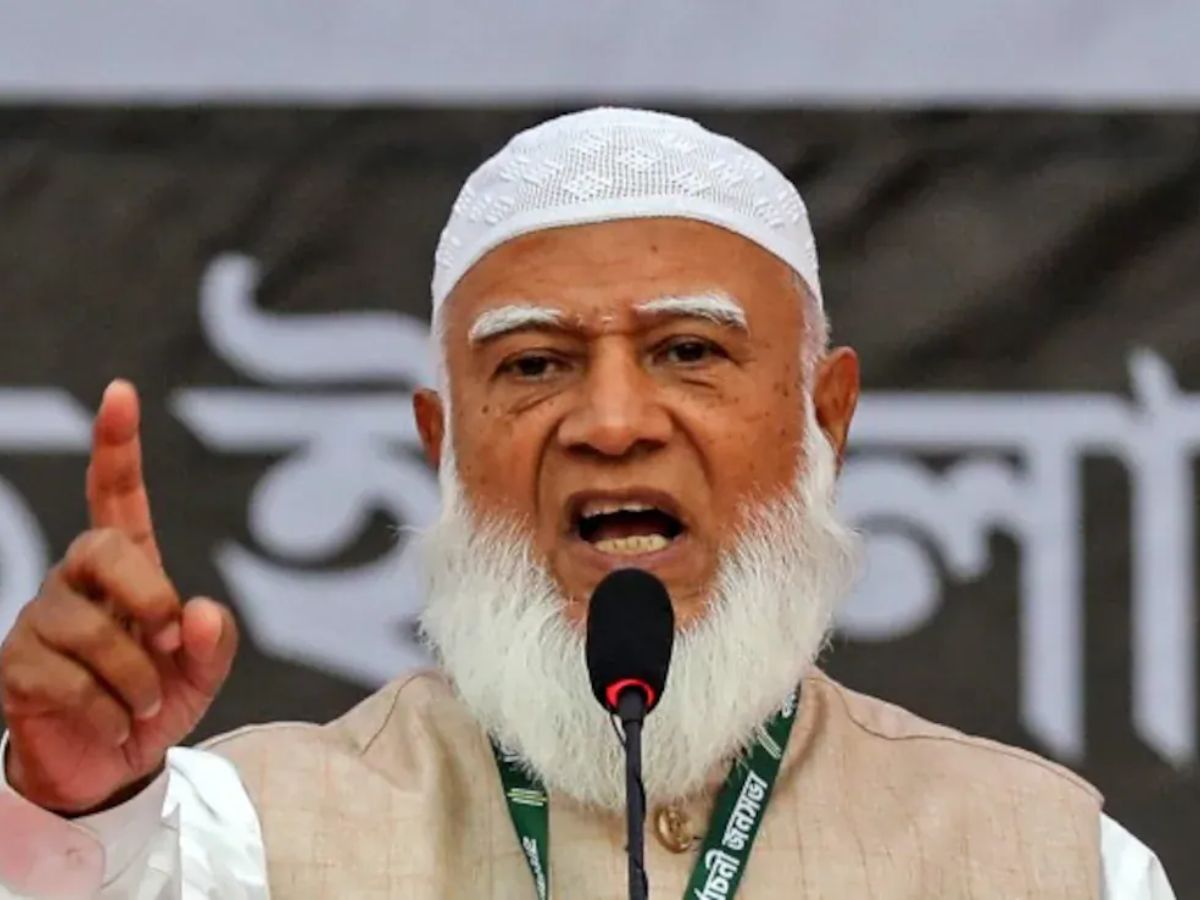
Bangladeshi writer and activist Taslima Nasreen has issued a stark warning about the direction of her country’s politics as the 2026 national election unfolds. She expressed concern that if the Bangladesh Nationalist Party (BNP) wins, the Awami League will remain banned.
Jamaat-e-Islami could become the main opposition, a development she says threatens the country’s secular and democratic fabric. Nasreen has called for a new, secular leadership committed to human rights and women’s empowerment.
Bangladesh Election 2026: Vote Counting Begins Amid Political Uncertainty
Authorities have begun counting votes across Bangladesh following a closely watched national election that could reshape the country’s political future. Early trends suggest the Bangladesh Nationalist Party (BNP) may gain significant ground.
At the same time, attention is on whether Jamaat-e-Islami could emerge as the main opposition if the Awami League remains banned. As ballot boxes opened and counting centres began processing votes, Taslima Nasreen raised concerns about the country’s political direction, warning that sidelining secular forces could strengthen religion-based parties.
Bangladesh Election 2026: Who is Taslima Nasreen & Why Her View Matters?
Taslima Nasreen is a prominent Bangladeshi author and social critic living in exile. She has long spoken out against religious influence in politics and advocated for secular values. Her opinions carry weight among secularists and often spark debate with religious conservatives.
If the BNP wins, Jamaat-e-Islami will become the main opposition for the first time in Bangladesh’s history. This happens only because the Awami League has been banned.
I hope the elected government unbans the Awami League, so that the opposition comes from secular or…
— taslima nasreen (@taslimanasreen) February 12, 2026
Her commentary is especially relevant during the 2026 election — the first major vote since Sheikh Hasina’s ouster and the re-entry of previously banned political parties. Nasreen’s warning underscores the stakes for Bangladesh’s democratic and secular institutions.
Bangladesh Election 2026: Why Jamaat-e-Islami Could Become the Main Opposition?
Nasreen warns that if the BNP forms the government, Jamaat-e-Islami could play a dominant opposition role for the first time in the country’s history. “This happens only because the Awami League has been banned,” she wrote on X.
She argues that no religious party should be the main counterbalance in a secular state. With the Awami League sidelined and secular alternatives weakened, Islamist parties like Jamaat-e-Islami have increased their visibility and alliances, potentially reshaping Bangladesh’s political landscape.
Bangladesh Election 2026: What Nasreen Says About Secular Leadership?
Nasreen insists that Bangladesh needs leadership rooted in secular values and human rights. “In a truly secular state, no political party should be built on religion. If any party must be banned on principle, it should be Jamaat-e-Islami, not secular parties,” she said.
She further emphasized the importance of supporting women’s rights, universal education, universal healthcare, and free speech, core pillars of a thriving democracy. Her message resonates with activists concerned about growing religious influence in politics and its impact on minorities and social freedoms.
Bangladesh Election 2026: BNP, Jamaat & Political Shifts
The 2026 election marks a turning point in Bangladesh’s history. After widespread protests that led to Hasina’s resignation in 2024, banned parties, including Jamaat-e-Islami, are now active. Jamaat is campaigning within an 11-party coalition, an unprecedented development.
Analysts note that the BNP appears to be leading in several regions. Meanwhile, Jamaat’s expanding presence is changing voter dynamics and party strategies. In some areas, Islamist parties are positioning aggressively, sparking fears among secularists about future governance models.
Bangladesh Election 2026: Women’s Representation & Secular Concerns
Nasreen also highlighted women’s underrepresentation in politics. This election has a record 78 women candidates out of more than 1,900, yet many are relatives of male politicians rather than independent actors.
These trends point to ongoing gender inequities and reflect broader challenges for women seeking meaningful political influence. Nasreen’s call for secular leadership intersects with concerns about minority rights and freedom of expression, which remain central issues in Bangladesh.
Bangladesh Election 2026: What Nasreen Wants for Bangladesh’s Future?
Nasreen hopes the next government will “unban” the Awami League so secular and left-leaning parties can actively shape the political opposition. She envisions a Bangladesh where leaders uphold democratic norms, protect women and minorities, and ensure universal access to education, healthcare, and free speech.
Her appeal reflects broader debates about Bangladesh’s identity and governance. As vote counting continues, the country watches whether secular voices retain influence or religious parties rise as dominant forces in the opposition.




