Who will become the next Prime Minister of Bangladesh? Tarique Rahman leads after BNP’s landslide win in Election 2026, marking a major political shift.
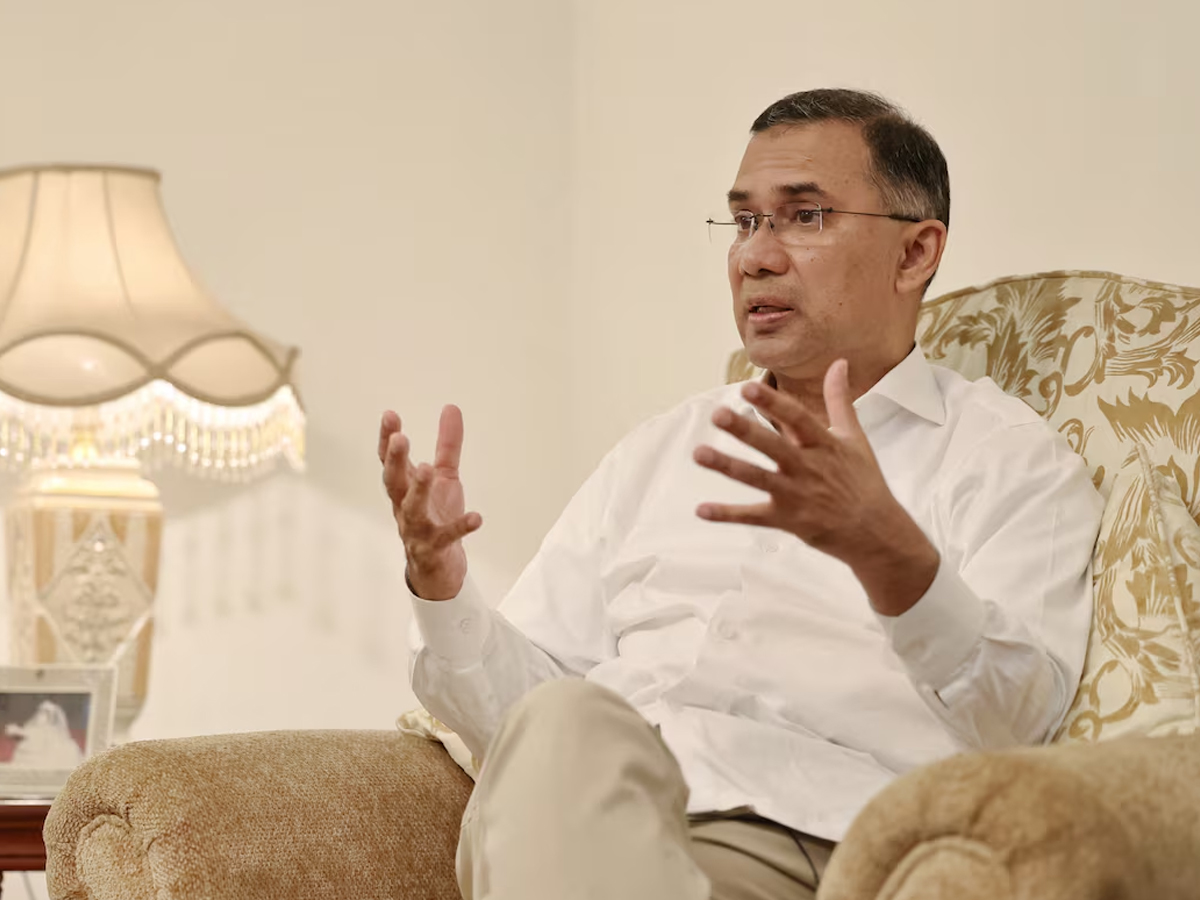
The son of former prime minister Khaleda Zia, Rahman has long been a central figure in opposition politics. (Photo: Reuters)
Bangladesh’s 2026 parliamentary election has raised one key question across the country and beyond, who will become the next prime minister? Early results strongly suggest that Tarique Rahman will take the top job after leading the Bangladesh Nationalist Party (BNP) to a commanding electoral victory. The outcome signals a dramatic political shift following years of turbulence, and the end of the long-dominant political era led by Sheikh Hasina.
Rahman’s return from years abroad and his strong performance at the polls have placed him at the centre of Bangladesh’s next political chapter. Analysts believe the decisive mandate will allow him to form the new government with relative ease.
Vote counting from hundreds of constituencies showed BNP and its allies surging ahead with more than two-thirds of the seats that went to the polls. With the alliance crossing the majority mark comfortably, the party moved closer to forming the next administration.
The election marked the first major nationwide vote since the political upheaval that followed student-led protests and led to major changes in the country’s leadership. Observers described the results as a turning point that reshaped the balance of power in Bangladesh.
The Islamist-leaning alliance led by Jamaat-e-Islami also secured a significant number of seats, while independent candidates and smaller parties captured the remaining constituencies. However, BNP’s dominant performance positioned Rahman as the clear frontrunner for the premiership.
Rahman’s leadership and his party’s electoral dominance make him the most likely candidate for prime minister. The son of former prime minister Khaleda Zia, Rahman has long been a central figure in opposition politics. His return to Bangladesh after years abroad energised supporters and strengthened the BNP’s campaign momentum.
Party leaders urged supporters to avoid celebratory rallies and instead offer prayers after Friday congregational prayer as a mark of respect for Zia’s passing. Political analysts say this move helped project a disciplined and responsible image during a sensitive transition.
International reactions arrived quickly as the results took shape. Narendra Modi congratulated Rahman publicly and expressed optimism about future relations with Bangladesh.
"I convey my warm congratulations to Mr. Tarique Rahman on leading BNP to a decisive victory in the parliamentary elections in Bangladesh," the prime minister said in a post on X.
"This victory shows the trust of the people of Bangladesh in your leadership."
I convey my warm congratulations to Mr. Tarique Rahman on leading BNP to a decisive victory in the Parliamentary elections in Bangladesh.
— Narendra Modi (@narendramodi) February 13, 2026
This victory shows the trust of the people of Bangladesh in your leadership.
India will continue to stand in support of a democratic,…
He also assured continued cooperation from India, stating support for "a democratic, progressive and inclusive Bangladesh." "I look forward to working with you to strengthen our multifaceted relations and advance our common development goals," he said.
The message indicated that regional diplomacy will play a key role once the new government assumes office.
Nearly 128 million voters registered for the election, although turnout hovered around 40 percent. Counting began soon after polling ended, with early trends emerging late at night and clearer results by Friday morning.
Muhammad Yunus described the vote as a historic moment.
"This election is not just another routine vote,” he said. “The public awakening we witnessed against long-standing anger, inequality, deprivation, and injustice finds its constitutional expression in this election,” he added.
At the same time, voters approved major constitutional reforms under the July 2024 Charter, including new election procedures, a bicameral parliament structure, increased women’s representation, and a two-term limit for prime ministers.
The incoming government faces several challenges, including rebuilding relations with neighbouring countries and ensuring political stability. Rahman acknowledged diplomatic tensions and said he wanted "a relationship of mutual respect, mutual understanding," when discussing future ties with India. When asked whether relations could improve while Hasina remained abroad, he said, "That depends." "It has to be on them too."
Observers believe regional geopolitics will also shape policy decisions. Bangladesh will have to balance ties with Pakistan and manage economic engagement with China while maintaining strong trade and security links with India.
The latest election marked the end of a decades-long rivalry often described as the “Battle of Begums,” which defined Bangladesh’s politics for years. With the Awami League banned from contesting and a new leadership emerging, the country entered a fresh political phase.
The results also reflected public frustration over inequality and governance issues while signalling a demand for reform. Concerns around minority safety, economic recovery, and international partnerships will shape the new administration’s priorities.
As Bangladesh moves toward forming its next government, all indications point to Tarique Rahman becoming the country’s next prime minister. His leadership will likely define Bangladesh’s domestic policies and regional relationships in the coming years, marking one of the most significant political transitions in the nation’s recent history.
