
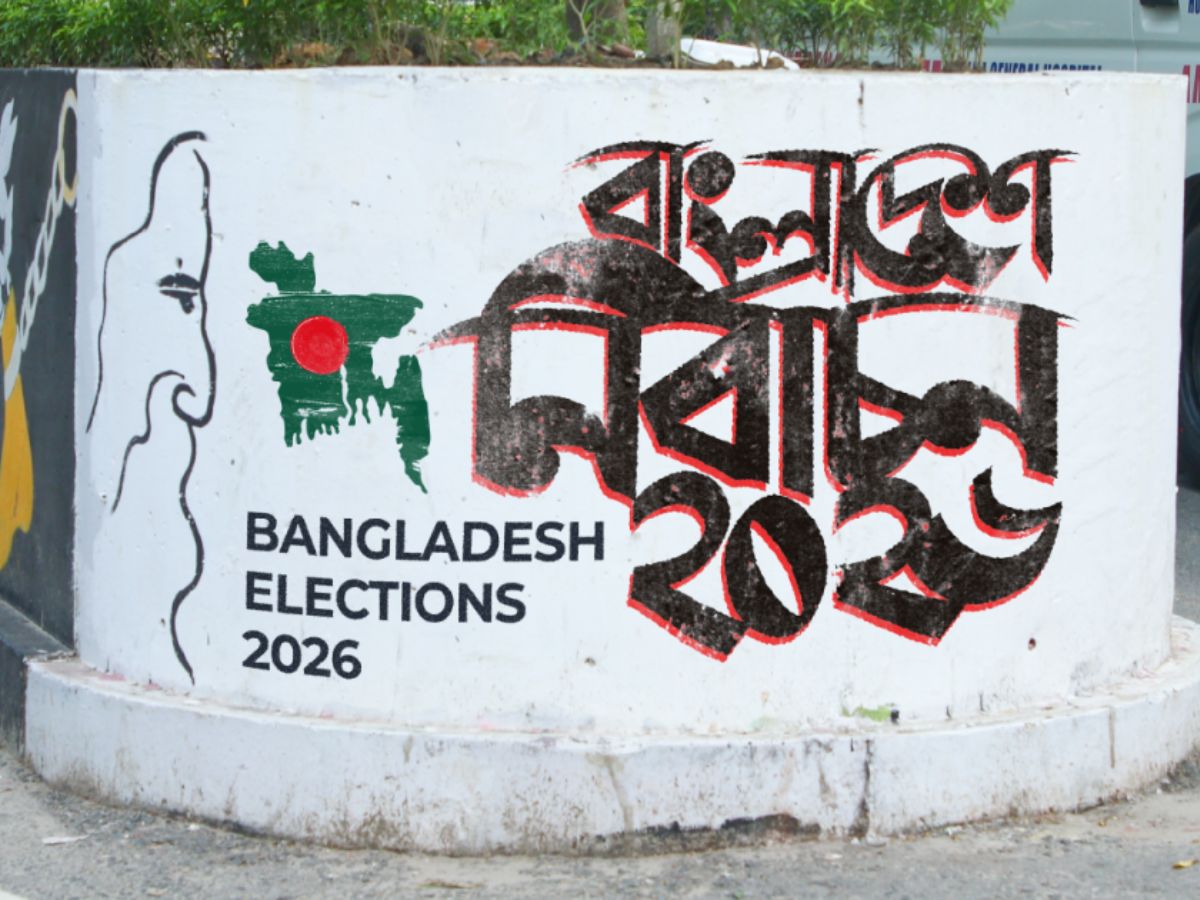
Bangladesh is set to hold its most significant election in years on February 12, 2026, with nearly 12.77 crore eligible voters expected to go to the polls for the 13th national parliamentary election and a national referendum on constitutional reforms.
Final preparations are underway nationwide as officials and security agencies complete arrangements to ensure peaceful voting, with results anticipated on February 13. This election takes place after major political changes in the country and is widely seen as a crucial test of democratic transition and reform.
Bangladesh Election 2026: What’s at Stake
Bangladesh’s elections this year carry extra weight as they follow the mass protests of 2024 that led to the resignation of long-time PM Sheikh Hasina and a shift in political power. Because of this dramatic backdrop, this vote is being closely watched both nationally and internationally as a barometer of the country’s democratic health.
In addition to electing members of parliament for the 299 constituencies, voters will also participate in a national referendum on the “July National Charter,” a reform framework aimed at constitutional and governance changes.
Bangladesh Elections 2026: Who Can Vote in Bangladesh’s Election?
Bangladesh’s electoral laws make clear who qualifies to vote:
- Citizens must be Bangladeshi nationals.
- Voters must be at least 18 years old by the cut-off date.
- Names must appear on the final voter list compiled by the Election Commission (EC).
- A person must not be declared of unsound mind by a competent court.
This year, the Election Commission finalised the electoral rolls, confirming that 12.77 crore people are registered to vote, including men, women and a small number of third-gender voters. The list was updated after careful review to include all eligible citizens who turned 18 by the end of October 2025.
For the first time, expatriate Bangladeshis can also cast votes in the election by postal ballots, potentially boosting voter participation among the diaspora. Reports say hundreds of thousands have already registered to vote from abroad.
Bangladesh Election 2026: What the Voting Process Looks Like?
Voting is scheduled to run from 7:30 am to 4:30 pm without interruption across the country’s 42,000+ polling stations. Citizens will cast ballots for their local parliamentary candidates using transparent ballot boxes, and they will also vote in the referendum to decide on the future direction of national reforms.
While most seats will be decided on this day, voting in one constituency (Sherpur-3) has been postponed due to the death of a candidate, reducing the number of contested constituencies to 299.
Bangladesh Elections 2026: Why This Election Matters?
Analysts say this election represents more than just a change in leadership — it reflects public sentiment after years of political tension and can shape Bangladesh’s democratic trajectory for years to come. Young voters, especially members of Gen Z, are believed to be a crucial factor, driven by concerns about jobs, governance and personal freedoms following the 2024 upheaval.
In addition, the national referendum on constitutional reforms — including proposals like term limits and restructuring executive powers — gives voters a chance to influence foundational governance structures.
Bangladesh Election 2026: Registered Voters by the Numbers
The latest electoral data confirms that of the 12.77 crore eligible voters:
- Around 6.48 crore are male voters.
- About 6.28 crore are female voters.
- Approximately 1,220 voters are registered in the third-gender category.
This gender balance reflects continued efforts to make the electoral process inclusive and representative of the country’s diverse population.
Bangladesh Elections 2026: Security & Polling Preparations
Officials have assured that comprehensive security measures are in place to ensure a smooth polling process. More than 900,000 law enforcement personnel — including army troops, air force and navy units — have been deployed across the country. Voting officials and support staff are positioned at thousands of polling centres to facilitate orderly voting.
In some areas, authorities are also using technology like drones and body-worn cameras to enhance election monitoring and safety.
Bangladesh Election 2026: What Happens After Voting?
Once polls close at 4:30 pm, counting will begin, and results for both the parliamentary seats and the referendum are expected to be announced on February 13. The outcome will determine the next government and whether proposed constitutional reforms gain approval through the referendum.
Bangladesh Elections 2026: Key Sectors of Public Interest Ahead of Voting
Beyond the core electoral participation, issues such as economic stability, corruption, employment and minority rights have dominated campaign agendas and voter concerns.
Political parties, including the Bangladesh Nationalist Party (BNP) and others, are positioning themselves as alternatives after years of Awami League dominance, making this contest one of the most open and competitive in the country’s recent history.




