Bangladesh votes on February 12 as Muhammad Yunus prepares to hand over power. A look at his reforms, transition role and lasting political legacy.
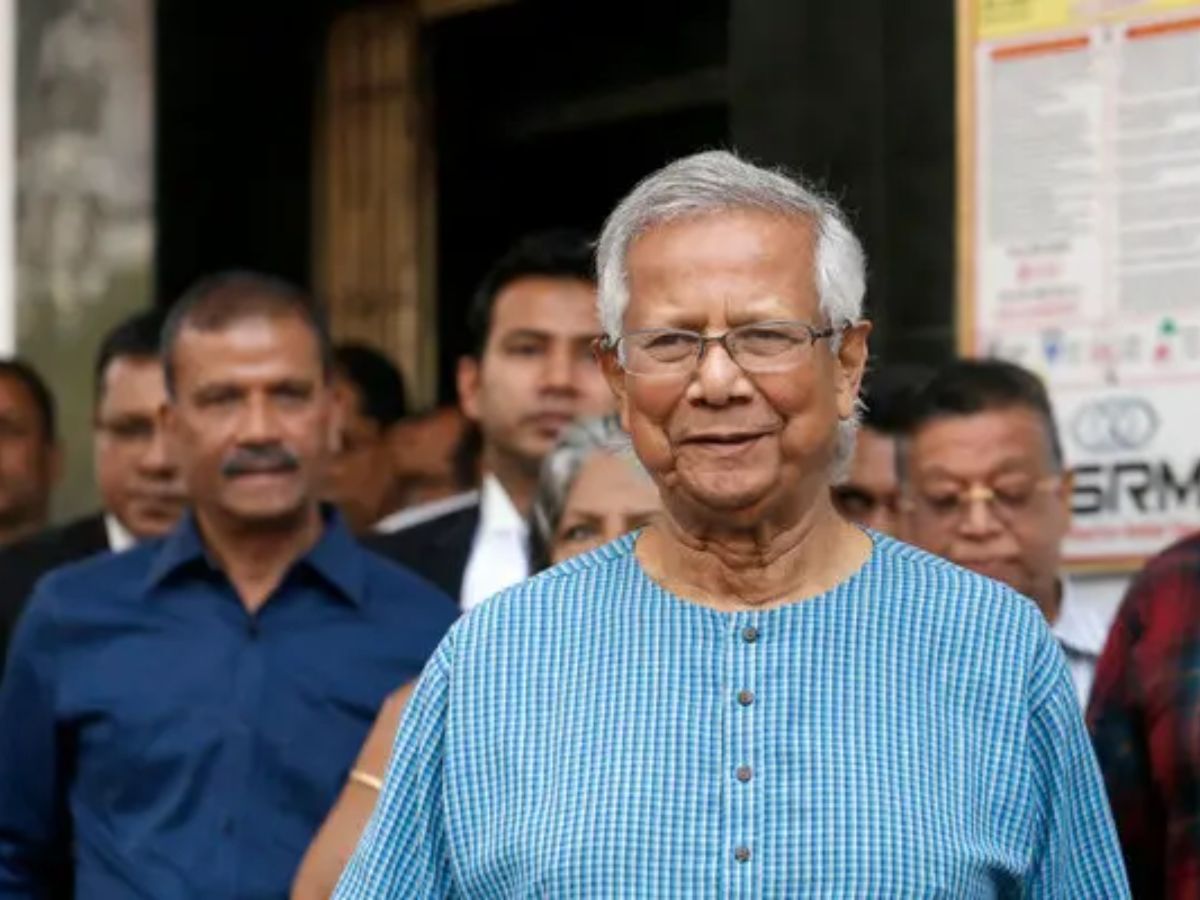
Bangladesh votes on February 12 as Muhammad Yunus prepares to hand over power [Photo: X]
Bangladesh heads to the polls on February 12 in a landmark national election, the first since the mass uprising that ended Sheikh Hasina’s 15-year rule. As voters prepare to decide the country’s next government, attention is also turning to one key figure, Nobel Peace Prize laureate Muhammad Yunus.
Yunus has led the interim administration since August 2024, guiding Bangladesh through one of its most sensitive political transitions. With voting set to conclude soon, many are asking: What happens next for him? And how will history remember his tenure?
Muhammad Yunus has repeatedly described himself as an interim “guardian of the transition" and has ruled out seeking a permanent political office. Once the Election Commission finalises results, his immediate responsibility will be to ensure a smooth and peaceful transfer of power to the newly elected government.
Political observers expect Yunus to formally hand over authority within days of the results being certified. His administration remains focused on maintaining stability during the crucial post-election period, especially as major political forces, including the Bangladesh Nationalist Party (BNP) and a Jamaat-e-Islami-backed alliance, compete for power.
Although some analysts have floated the idea of Yunus taking on a ceremonial Presidential role under a ‘National Consensus’ framework, he has dismissed such speculation.
Once the Election Commission announces the final results, Yunus’s immediate responsibility is clear, ensure a smooth and peaceful transfer of power.
He has repeatedly described himself as an interim “guardian of the transition" and has ruled out seeking a permanent political office. His administration has focused on restoring public trust in the electoral process after years of controversy and disputed mandates.
Political observers expect Yunus to formally hand over authority to the newly elected government within days of the results being certified. His priority remains maintaining stability during the immediate post-election period, especially as major political forces — including the Bangladesh Nationalist Party (BNP) and a Jamaat-e-Islami-backed alliance- compete for power.
A major part of Yunus’s legacy centres on structural reforms introduced during his interim leadership. The most significant among them is the July National Charter-2025, placed before voters in a referendum alongside the general election. If approved, the charter would require the next government to implement sweeping reforms, including:
Supporters argue these reforms could dismantle what Yunus described as “electoral autocracy" and strengthen democratic accountability. Critics question how effectively the next administration will implement them.
Yunus has made his position clear. He has said his role was temporary and transitional. After completing the power handover, he is expected to return to his long-standing work at the Yunus Centre and Grameen Bank, focusing on social business and poverty alleviation.
Despite this, speculation continues. Some political analysts have floated the idea of Yunus becoming President under a ‘National Consensus’ formula. While the presidency in Bangladesh is largely ceremonial, supporters argue that his presence could provide stability.
Yunus himself has dismissed these suggestions.
During his time as Chief Adviser, Yunus worked to stabilize an economy facing inflation, unemployment, and declining investor confidence. He secured international financial support from institutions like the IMF and World Bank.
His administration also signed a 2026 trade pact with the United States and secured $2.1 billion in Chinese infrastructure support. These agreements will now be managed by the incoming government.
Diplomatically, analysts noted a shift in Bangladesh’s external engagement, with stronger ties to China and Pakistan, while relations with India faced a visible strain.
Yunus’s legacy remains complex and deeply debated. Supporters view him as the steady hand who prevented institutional collapse after the August 2024 uprising. He acknowledged the existence of ‘Aynaghor’ (secret detention centres) and initiated accountability proceedings against former regime officials.
They credit him for laying the groundwork for democratic renewal and call him the architect of Bangladesh’s potential “Second Independence”.
Critics, however, point to ongoing challenges during his tenure. Reports of mob justice incidents, with nearly 300 deaths recorded by late 2025, raised concerns. Minority communities also reported continued insecurity. Some civil society groups criticized what they described as “adhoc governance" and limited bureaucratic reform.
While inflation showed modest improvement, youth unemployment and industrial slowdown remained pressing issues.
Ultimately, Yunus’s place in Bangladesh’s history will depend on what follows this election.
If the February 12 vote leads to stable governance and meaningful democratic reform, many will remember him as the reformer who guided Bangladesh through a critical turning point. If political instability returns, critics may see his tenure as a missed opportunity for bigger structural change.
As Bangladesh votes tomorrow, the nation decides not only its next government but also how the Yunus chapter will be written in its history books.
