Bangladesh 2026 voters approve the July Charter referendum with a strong ‘Yes’ vote, paving the way for sweeping constitutional reforms alongside the national election.
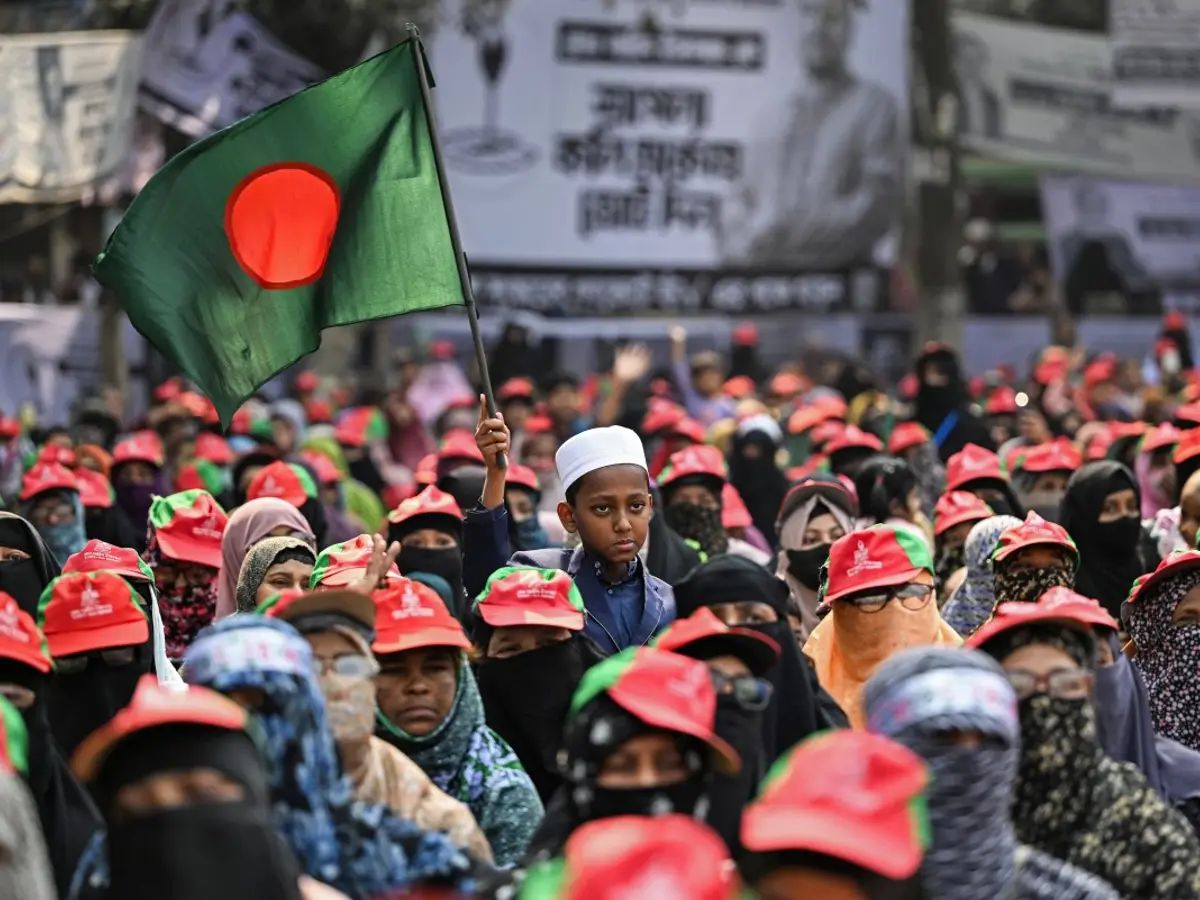
Bangladesh 2026 voters approve the July Charter referendum with a strong ‘Yes’ vote [Photo: X]
Bangladesh voters have delivered a decisive endorsement of major constitutional changes as part of the 2026 national election, approving the legislation known as the “July Charter” in a nationwide referendum.
A majority of those who cast ballots backed the reform package designed to overhaul the country’s political and governance structures. The referendum result accompanies election outcomes that show significant gains for major political parties and could shape Bangladesh’s constitutional trajectory for years to come.
The “July Charter” refers to a comprehensive set of reform proposals drafted by a National Consensus Commission after months of political consultation. The referendum asked citizens to indicate whether they agreed with constitutional amendments and structural reforms recorded in the July National Charter Implementation Order, 2025.
Proposed changes include strengthened fundamental rights, increased representation for women, a rebalanced power structure between the prime minister and president, limits on the prime minister’s term, and the establishment of a caretaker government system during transitions.
According to official figures released by the Election Commission, a clear majority of valid votes supported the July Charter, with over 48 million ballots cast in favour and around 22 million against. Voter turnout in the referendum — held alongside the 13th parliamentary elections — was about 60 per cent, reflecting strong public engagement.
The results were formally gazetted by election authorities, signalling that the charter has public consent and will move toward implementation.
The July National Charter aims to reshape Bangladesh’s democratic framework in several significant ways:
These reforms are intended to prevent future authoritarianism and strengthen institutional checks and balances.
Bangladesh uniquely held this constitutional referendum on the same day as its parliamentary election, giving voters two ballots: one for their preferred parliamentary representatives and another for the July Charter reforms.
Election authorities reported widespread participation as citizens chose their lawmakers and voiced their opinion on national governance reforms in one combined democratic exercise.
Preliminary vote counts from the 2026 parliamentary election indicate a strong showing for opposition parties, particularly the Bangladesh Nationalist Party (BNP), which is expected to secure a majority in parliament for the first time since 2006.
In this climate of political change, the July Charter’s approval reflects a broader public appetite for structural reform and a departure from past political dynamics that many voters found restrictive or undemocratic.
With the “Yes” victory, the next parliament — shaped by both general election results and the referendum mandate — will be tasked with transforming the July Charter’s proposals into law.
Some constitutional amendments require legislative action, while others may be implemented through ordinances and executive directives in accordance with the charter. This process could include forming new constitutional bodies, adjusting parliamentary structures, and redefining executive powers.
Many analysts view the referendum’s outcome as a major turning point in Bangladesh’s democratic evolution. Supporters see it as a chance to decentralise political power and strengthen institutional safeguards. Critics, however, argue that the complexity of the reforms and the challenges of implementing them could create legal and political disputes in the years ahead.
As Bangladesh moves forward with both its newly elected government and a reform mandate backed by millions of voters, observers will closely watch how the July Charter reshapes governance and accountability in the country.
