Explore the Boeing F‑47 sixth‑generation stealth fighter — its design, engine, range, first flight plans and why Trump calls it the “most devastating plane fighter jet ever.”
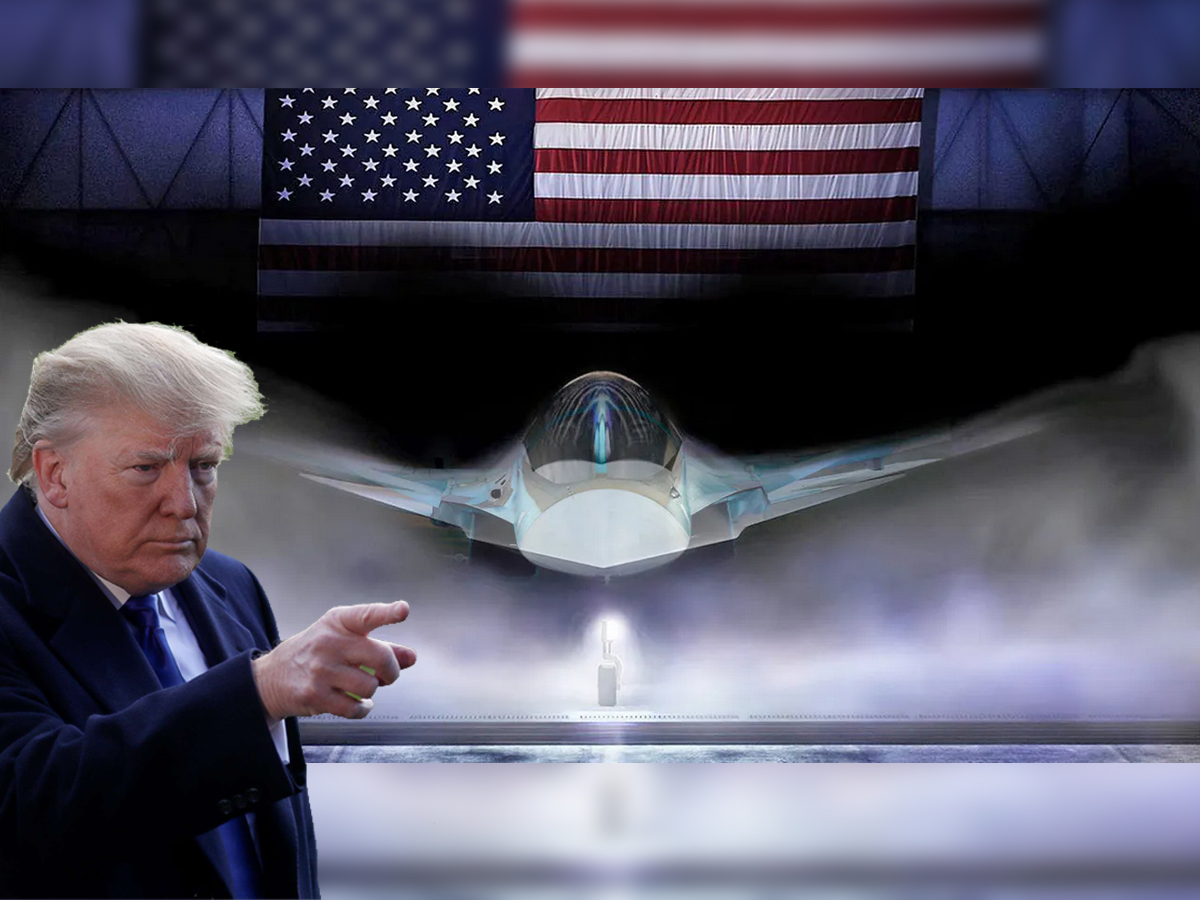
Trump’s playful remarks about possibly changing the number haven’t altered the official designation — the Air Force remains committed to calling the aircraft F‑47. (File Photo)
The Boeing F‑47 is America’s newest sixth‑generation stealth fighter jet under development for the United States Air Force (USAF). Designed to be the successor to the F‑22 Raptor, this advanced aircraft is at the heart of the USAF’s Next Generation Air Dominance (NGAD) program. It promises huge leaps in stealth, avionics, networking, range, and lethality compared to current fighters.
At the World Economic Forum in Davos, Donald Trump described the F‑47 as “the most devastating plane, fighter jet ever.” He also commented on the jet’s designation, saying, “They called it 47. If I don't like it, I'm going to take the 47 off it.”
The F‑47 name reflects both heritage and timing. The “F” stands for “Fighter,” a standard US military designation for combat aircraft. The number “47” has multiple symbolic links: it nods to the iconic WWII P‑47 Thunderbolt, celebrates 1947 (the year the US Air Force became an independent service), and recognizes Trump as the 47th President.
Trump’s playful remarks about possibly changing the number haven’t altered the official designation — the Air Force remains committed to calling the aircraft F‑47.
While many details remain classified, the F‑47’s design focuses on extreme stealth, high agility, and integrated sensor systems that let it detect and engage threats before being seen. The aircraft is expected to:
This sixth‑generation architecture seeks to make the F‑47 adaptable to future threats and missions, from deep‑strike to air superiority.
A key element of the F‑47’s performance is its propulsion. Plans originally called for next‑generation adaptive propulsion (NGAP) engines that could adjust airflow and power for different phases of flight, boosting efficiency and speed. However, development setbacks could delay or alter the engine’s debut, pushing some versions of the F‑47 into early service with modified propulsion systems.
Despite these challenges, the fighter is still expected to reach performance levels well above those of previous generations.
The Boeing F‑47 is expected to be one of the most expensive fighter jets ever built, reflecting its advanced stealth, next-gen avionics, and high-performance engine. Defense analysts estimate that each F‑47 could cost around $300 million, similar to other sixth-generation combat jets.
While the exact price may vary depending on mission systems and production scale, this investment underscores the Air Force’s commitment to maintaining air superiority in future conflicts.
The USAF has confirmed that Boeing has begun building the first F‑47 airframe, with its first flight expected in 2028. The service aims to bring the aircraft into operational service late in the decade or early 2030s.
These milestones are major steps toward fielding the first sixth‑generation fighter in USAF history.
While the exact price per jet hasn’t been officially released, earlier estimates from defense analysts suggest the F‑47 could cost around $300 million each once in full production — similar to recent advanced fighters.
Operationally, the F‑47 is designed with:
The Air Force plans to buy at least 185 F‑47 jets — enough to help maintain air dominance well into the 2030s and beyond.
The F‑47 represents much more than a new jet. It’s a strategic asset meant to maintain US air superiority as other nations — especially China — push their own advanced fighter programs. Though some analysts note delays and design debates, the F‑47 remains a centerpiece of future aerospace capability.
The Boeing F‑47 stands as the USA’s first true sixth‑generation fighter — a stealthy, long‑range, highly networked aircraft designed to dominate future skies. With its powerful design, advanced tech, and strategic role, it marks a new chapter in military aviation.
