A massive wildfire near Concepción, Chile, has forced 20,000 to evacuate, threatens homes and the Indura gas plant, and sparked multi-region alerts.
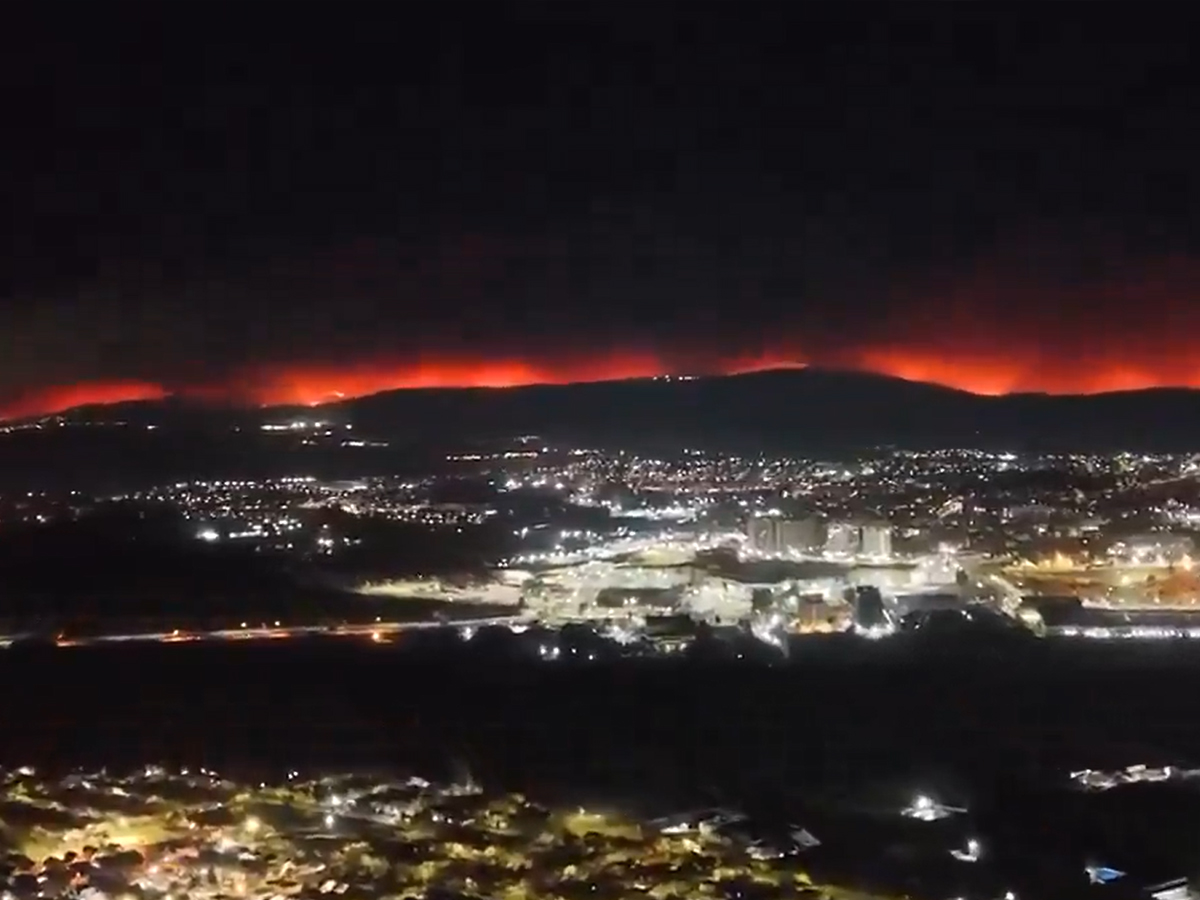
A large wildfire has engulfed about 23 kilometres around Penco and the surrounding areas in the Biobío Region, close to the city of Concepción. (Photo: Social Media)
A violent wildfire raging near Concepción in southern Chile has forced the evacuation of more than 20,000 people and threatens critical infrastructure, including homes and a major gas facility, officials say. The Penco wildfire has rapidly spread over a wide area, driven by intense winds, prolonged drought, and dry forests that easily ignite.
A large wildfire has engulfed about 23 kilometres around Penco and the surrounding areas in the Biobío Region, close to the city of Concepción. Officials and local media reports confirm this blaze has destroyed swathes of forested land and encroached on residential zones, prompting widespread evacuations.
🚨 A wildfire emergency in Penco, Chile 🔥
— Volcaholic 🌋 (@volcaholic1) January 18, 2026
Massive wildfires are burning out of control, forcing a State of Catastrophe to be declared by President Gabriel Boric.
Officials report that about 20,000 people have been evacuated, especially from Penco and nearby Lirquén, as fire… pic.twitter.com/fKdGwhQEeE
The fire has placed around 3,000 homes and the Penco-Lirquén Hospital at risk, and authorities are especially worried the flames may reach the Indura gas plant, where flammable materials are stored. If the fire reaches that facility, it could trigger explosions or a major gas leak, making the situation dramatically worse.
More than 20,000 residents have already been moved from high-risk areas to safer locations. Emergency responders, including firefighters and CONAF forestry crews, are battling the blaze in extreme conditions with strong Puelche winds and dry terrain that help the fire spread quickly.
Social media videos show thick smoke and bright orange flames advancing toward both neighborhoods and key infrastructure. Authorities are coordinating evacuations and urging the public to follow instructions from the National Emergency Office (SENAPRED), which has issued evacuation orders and alerts for multiple municipalities.
Experts say a combination of persistent drought, high temperatures, and dry vegetation has made central and southern Chile especially vulnerable this season. These conditions, influenced by long-term dry weather patterns, allow fires to ignite and expand with frightening speed, putting pressure on emergency teams.
The affected forests contain large areas of pine and eucalyptus plantations, which are highly flammable during droughts and strong winds. Fire crews struggle to reach some of the most intense heat fronts due to rugged terrain and shifting wind patterns.
Officials have warned that extreme fire danger persists across the Biobío and Ñuble regions, with a heat and wind combination expected to keep conditions severe. SENAPRED and local governments have extended Red Alert status and increased emergency communications to inform residents about evacuation routes and safety measures.
In several municipalities, leaders are urging residents to prepare emergency kits and have evacuation plans ready, emphasizing that “the absolute priority is to preserve human life.”
Chile has been experiencing intense wildfire seasons repeatedly over recent years. Persistent heat and dry weather have contributed to frequent and sometimes devastating fires across multiple regions, including Biobío, Ñuble, and La Araucanía.
In addition, last year’s wildfire season burned tens of thousands of hectares in many southern regions—reflecting ongoing risk and increasing pressure on firefighting resources.
Residents in Concepción and neighboring municipalities have shared scenes of orange skies, dense smoke, and raging flames, capturing the gravity of the crisis. Schools and public services in certain zones have been disrupted, and hospitals are preparing to transfer patients if conditions worsen.
Authorities are also cautioning about air quality concerns and recommending that people limit outdoor exposure to smoke, especially for children, the elderly, and those with health conditions.
