China’s growing economic influence in Mauritius complicates the Chagos Archipelago dispute, prompting strategic responses from India, the UK, and US.
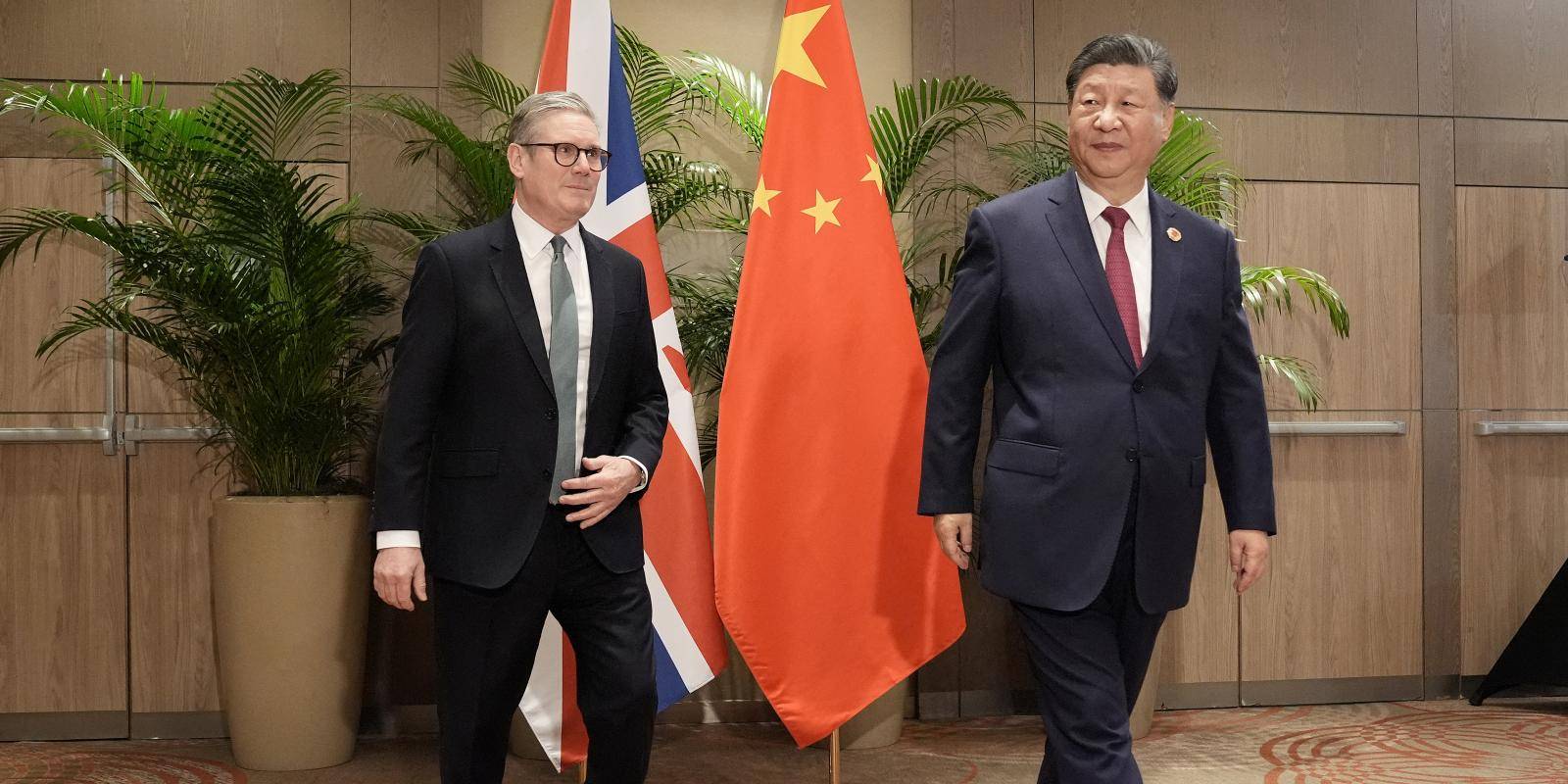
China’s investments in Mauritius fuel regional tension over the Chagos Archipelago, even as the UK retains Diego Garcia under lease (Photo: X)
NEW DELHI: The implementation of the UK-Mauritius treaty over the Chagos archipelago entered a state of high-stakes political uncertainty in January 2026. Following sharp criticism from US President Donald Trump, who labelled the deal "an act of great stupidity and total weakness," the UK government was forced to withdraw the Chagos Islands Bill from the House of Lords on January 23.
This immediate friction underscores strategic risks originally identified by The Sunday Guardian in December 2022 regarding China looking for naval bases near Diego Garcia. While the 2025 treaty text preserves UK and US operational control of the Diego Garcia base, political resistance in Washington and London highlights concerns over China's deepening economic footprint in Mauritius.
Official documents show that while China has no direct presence in Chagos, its economic ties to Mauritius have deepened materially since the China-Mauritius Free Trade Agreement took effect on January 1, 2021. Bilateral trade reached approximately USD 1.1 billion in 2024, with Chinese exports accounting for USD 1.08 billion of that total.
This footprint has triggered a significant counter-response from India. Under its "Vision MAHASAGAR," New Delhi unveiled a USD 680 million strategic package for Mauritius, including the redevelopment of Port Louis harbour and monitoring of the Chagos Marine Protected Area. In late 2025, Prime Minister Navin Ramgoolam requested an Indian vessel, rather than a British one, for the inaugural Mauritian visit to the archipelago, signaling India's position as the preferred security partner.
While the May 2025 agreement transfers sovereignty of Chagos to Mauritius (with the UK retaining Diego Garcia under a 99-year lease), the quantified economic ties between Port Louis and Beijing have become a central variable in how regional powers assess risk.
