Cuba faces its gravest crisis in decades as fuel shortages, blackouts and sanctions strain daily life and test the island’s political endurance.
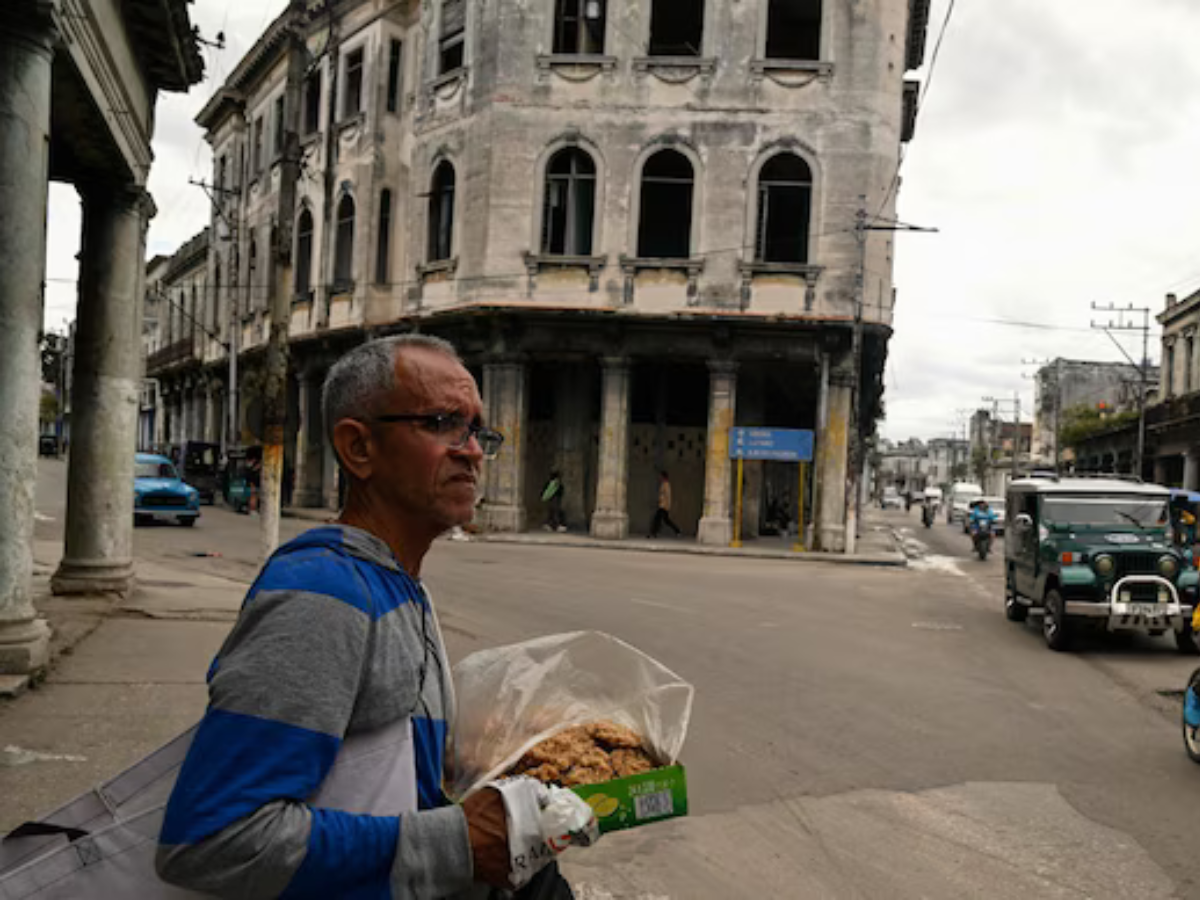
Residents navigate daily life during extended blackouts as Cuba’s energy crisis deepens amid tightening sanctions (Photo: Reuters)
Cuba is about to live one of the toughest pages in its recent history throughout the island, the lines for food are becoming longer, the electricity is fading for the second half of the day and the uncertainty is becoming a constant companion. For a country with a population of approximately 11 million people, the crisis of the energy and supply chains is no longer a theoretical concept.
Outages of 12 to 15 hours per day are now routine in Havana and elsewhere on the island. Energy analysts, together with international trade monitoring agencies around the world, report that Cuba had ample energy reserves to satisfy only three weeks of total domestic demand. The deficiency in electricity supply has affected the pumping of water and food storage due to its 95% reliance on imported fuels.
For a long time, Cuba had relied on Venezuelan oil at concessional terms to keep its economy going. When the Venezuelan government changed hands in January, Cuba lost its major oil source for daily needs. It takes 100,000 barrels per day to meet Cuba's economic needs, but what the island is receiving now is just a fraction of this amount and the situation has compelled Cuba to begin rationing oil.
The US has ratched up the pressure by indicating that it might impose the tariffs on any state supplying fuel to Cuba and this is part of the attempted squeeze on the finances of the Cubans, as well as the chokepoint entry into the energy market. Airlines have been notified that there might be a shortage of jet fuel in the next month, indicating the general depth of the fuel shortages.
The humanitarian crisis in Cuba is described by the United Nations as extremely concerning. The island's hospitals operate on backup power, food production has been slowed and disrupted refrigeration poses public health risks. In relief measures, Mexico has sent more than 800 tons of food, but this doesn’t help to alleviate the fuel crisis.
On the streets, frustration and exhaustion walk hand in hand where people say they are trekking long distances because the transport system is running on fumes. Some families have gone back to cooking with wood or charcoal, a routine most had abandoned years ago. Migration has surged with millions leaving Cuba in recent years, draining the job market and heightening economic pressure.
However, public opinion in Cuba is divided and some direct others to address issues such as long-rigid state rule and inefficiency, while others simply take out their frustrations and direct them at sanctions as a way of enforcing change by feeling their financial pocket. As the issue of reform is discussed and its steam increases, fears of both chaos and clampdowns temper public demonstrations.
Cuba has endured through past shocks, such as the implosion of its Soviet ally and convulsions across its region. This combination of energy isolation, economic contraction and out-migration is unprecedented. Whether this is the beginning, end or another chapter in Cuba's resiliency is hard to call. What is certain, though is that scarcity alone rarely leads to a robust future.
The United States plans to squeeze Cuba further with sanctions and the imposition of a real oil blockade including predatory tariffs on countries that bring oil to Cuba. Venezuela’s collapse has eliminated other oil supplies and it seems the US believes that if shortages develop, it will put economic pressure on Cuba to force change in its government.
