Donald Trump has invited seven of India’s top corporate leaders to a special Davos reception after his WEF address. Here’s who they are and why it matters.
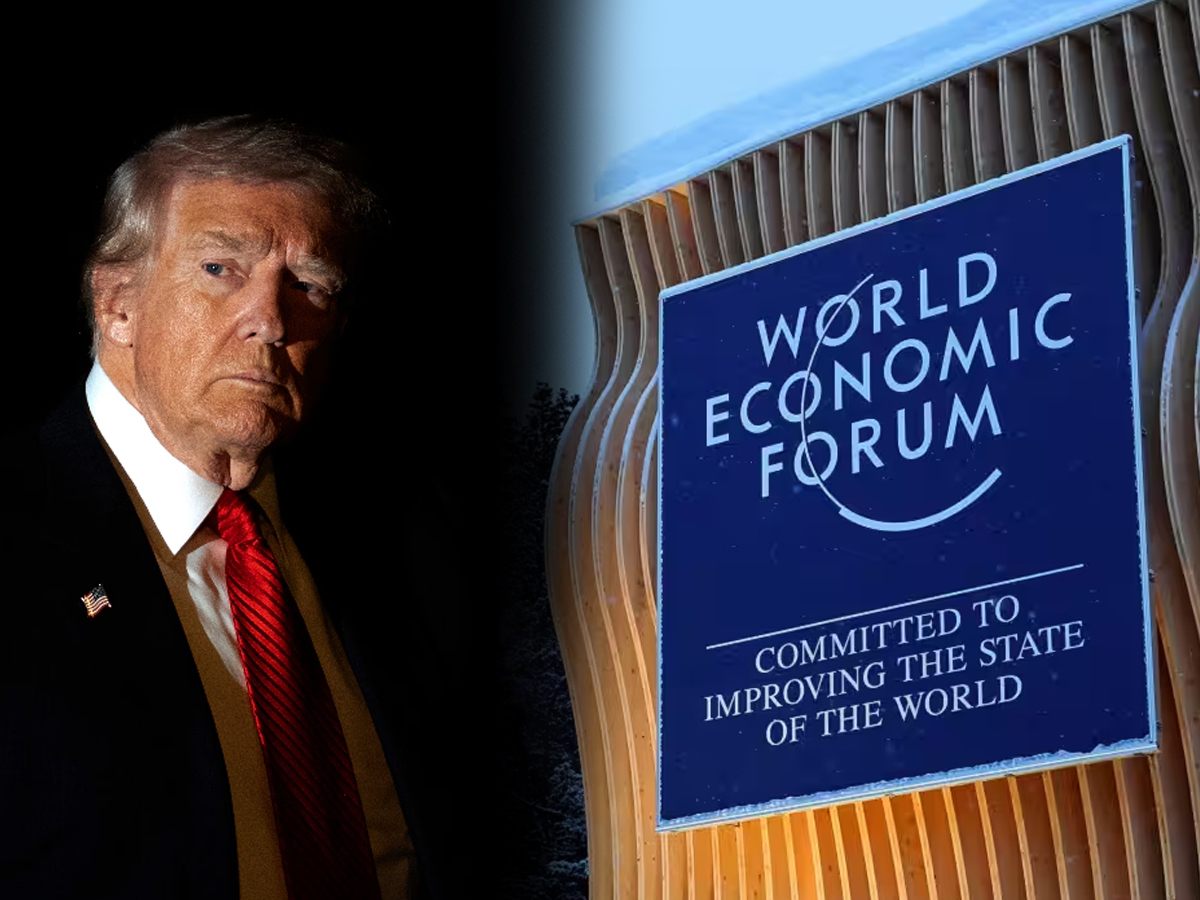
The invited CEOs lead companies with significant global exposure, particularly in the United States. (File Photo)
As global leaders and business giants gather in the Swiss Alps for the World Economic Forum (WEF), one question has drawn particular attention in India: Which Indian corporate leaders have been invited by US President Donald Trump?
Trump, who is attending the World Economic Forum for the first time in six years, has invited a select group of global business heavyweights to a private reception following his special address at Davos on Wednesday. Among them are seven of India’s most influential corporate leaders, reflecting India’s growing importance in global business and geopolitics.
Trump’s presence has dominated this year’s Davos agenda, often overshadowing planned discussions due to his strong positions on global trade, tariffs, and his controversial remarks on Greenland. Against this backdrop, the invitation of Indian business leaders has sparked interest, as it signals Washington’s focus on India amid global uncertainty.
The reception comes at a time when Trump is expected to hold informal meetings with top CEOs from finance, consulting, technology, and cryptocurrency sectors, though the official agenda of these interactions remains unclear.
Here are the seven Indian corporate leaders invited to attend the reception hosted by Donald Trump following his World Economic Forum address:
Top Indian Business Leaders at Trump’s Davos Reception
These leaders represent a wide range of sectors, including manufacturing, IT services, telecom, finance, and pharmaceuticals, underlining India’s diversified economic footprint.
The invited CEOs lead companies with significant global exposure, particularly in the United States. Firms like Tata Group, Infosys, Wipro, Mahindra, and Bharti have deep business ties with the US, spanning technology services, manufacturing, telecom, and financial markets.
Their presence at Trump’s reception places Indian corporates in direct proximity to global decision-makers at a time when trade policies, tariffs, and supply-chain realignments remain in flux.
Trump’s return to Davos comes amid heightened global uncertainty. His recent policy moves and statements — including his stance on tariffs and national security — have triggered debates across Europe and beyond. As a result, many discussions at the forum now revolve around how Trump’s policies could reshape global trade and investment flows.
Organisers say more than 3,000 delegates from over 130 countries are attending this year’s World Economic Forum, including 64 heads of state and government, with a strong presence from emerging economies like India.
India’s strong showing at Davos reflects its rising role as a key growth engine in the global economy. With Indian CEOs increasingly visible in high-level global discussions, their engagement with US leadership could influence future cooperation in technology, investment, manufacturing, and innovation.
As Trump’s Davos appearance draws global attention, the participation of these Indian business leaders signals that India remains central to conversations shaping the world economy — even amid geopolitical and economic uncertainty.
