President Trump increased the U.S. global tariff from 10% to 15% following a Supreme Court decision, raising questions about its impact on trade.
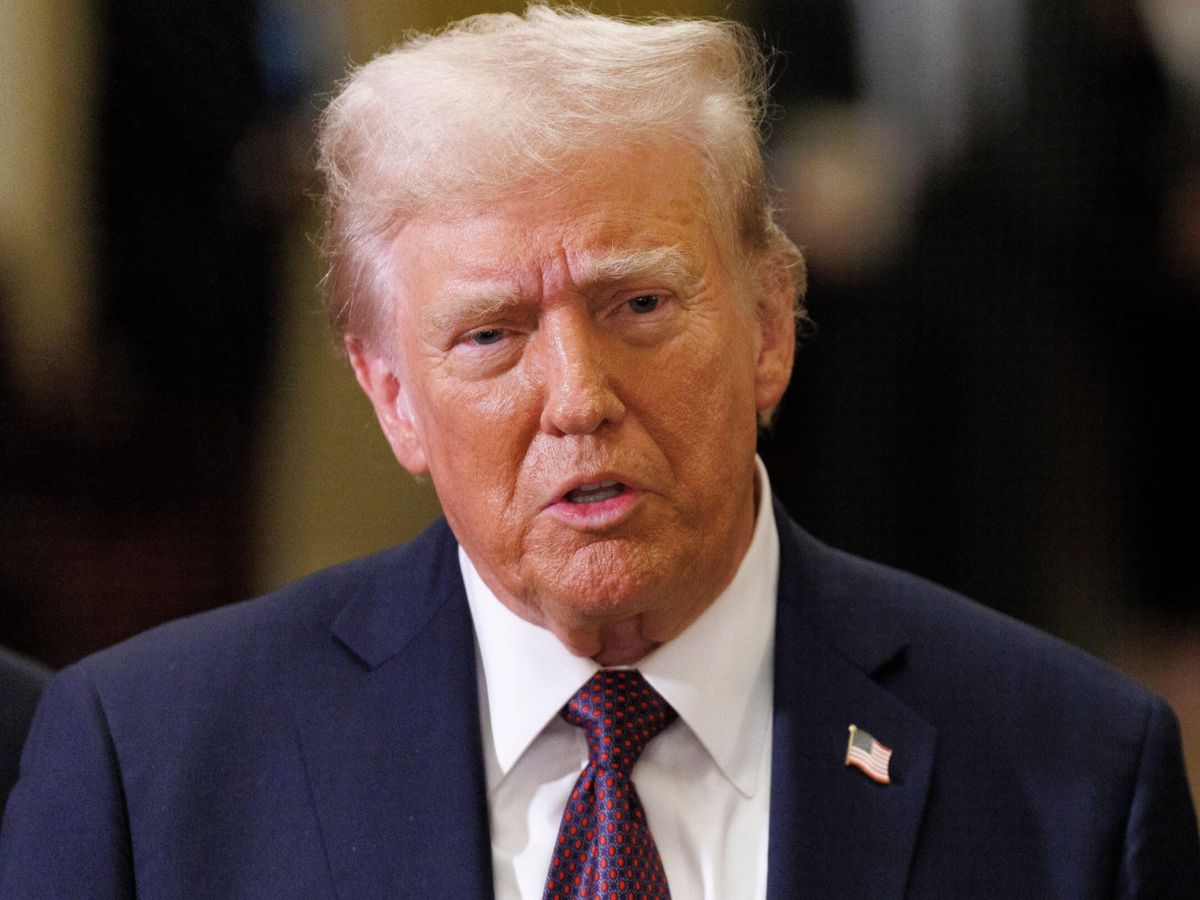
Trump Increases Global Tariffs How the Supreme Court Decision Changed Plans (Source: X)
President Donald Trump announced on Saturday, February 21, 2026, that he was raising the planned global tariff from 10% to 15%. He explained on social media that the decision was “Based on a thorough, detailed, and complete review of the ridiculous, poorly written, and extraordinarily anti-American decision on Tariffs issued yesterday,” referring to the U.S. Supreme Court ruling.
The previous day, after the court blocked his emergency powers to impose sweeping tariffs, Trump had signed an executive order enabling a 10% tax on imports worldwide. This order bypassed Congress but limited the tariffs to 150 days unless Congress extended them.
The Supreme Court, in a 6-3 decision on Friday, stated that Trump could not use the 1977 International Emergency Economic Powers Act (IEEPA) to impose broad tariffs. The justices said the authority to enact such taxes rests with Congress, not the president.
Trump criticized the ruling during a press conference, saying he was “ashamed” of some justices and adding, "I’m allowed to destroy the country, but I’m not allowed to charge them a little fee."
After the Supreme Court decision, Trump signed an executive order replacing the IEEPA tariffs with a 10% import tax, announced on Truth Social.
On Saturday morning, he updated that to 15%, stating, "During the next short number of months, the Trump Administration will determine and issue the new and legally permissible Tariffs, which will continue our extraordinarily successful process of Making America Great Again - GREATER THAN EVER BEFORE!!!"
The original 10% tariffs were scheduled to take effect on Feb. 24, 2026, and the new 15% tariffs will also be limited to 150 days under current law.
Trump also mentioned plans to pursue tariffs under other sections of federal law, which require the Commerce Department to conduct investigations before implementation.
Experts estimate that Trump’s tariffs could raise up to $133 billion, and companies are already preparing to request refunds. However, the process for claiming refunds remains uncertain, and importers may need to take legal action.
Trump noted, "I guess it has to get litigated for the next two years."
Experts warn that consumers are unlikely to see refunds; most of the money will likely go back to the companies paying the tariffs.
