
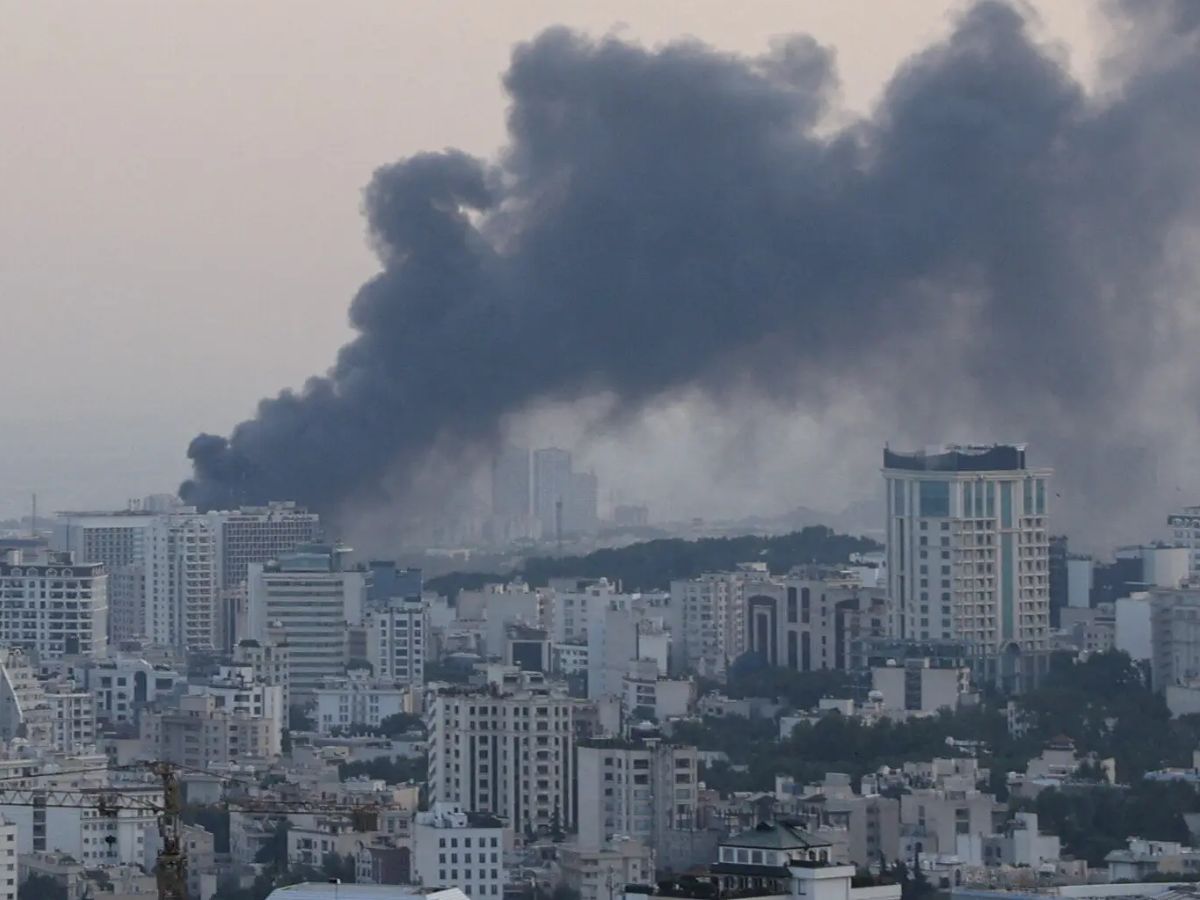
The United Arab Emirates has rejected claims that it carried out its first retaliatory military strike against Iran on Sunday. The denial came after reports suggested that the UAE had targeted an Iranian desalination facility following a series of Iranian missile and drone attacks in the region.
Dr Ali Rashid Ali Nuaimi, a member of the UAE Federal National Council and chairman of the Defence Affairs, Interior and Foreign Affairs Committee, dismissed the reports as incorrect and misleading.
“This is fake news. When we do something, we’ve the courage to announce it," he said on X while responding to claims that the UAE had struck an Iranian desalination plant.
This is fake news . When we do something, we’ve the courage to announce it https://t.co/lZ47h6gSDO
— د. علي النعيمي Dr. Ali Alnuaimi (@Dralnoaimi) March 8, 2026
UAE Says It Does Not Target Iranian People
In another message, Dr Nuaimi emphasized that the UAE does not consider the Iranian public responsible for the actions of their government.
“The UAE will never place the Iranian people in the same basket as the Iranian regime. The Iranian people are the real victims of that regime and the ones who suffer the most from its policies. As neighbours, we recognize this reality and we care about their wellbeing," he said.
His comments came as speculation grew about whether the UAE had joined the ongoing conflict involving Iran and several regional countries.
Reports Claimed UAE Hit Iranian Desalination Plant
Earlier reports from sources cited by the Israeli newspaper The Jerusalem Post suggested that the UAE had launched an attack on an Iranian desalination facility. Such plants are critical infrastructure because they convert seawater or salty groundwater into fresh drinking water.
Another Israeli media outlet, Ynet, reported that if the strike had actually taken place, it would mark a major escalation by bringing a Gulf nation directly into military action against Iran.
However, UAE officials have firmly rejected these claims.
Iran’s Missile and Drone Attacks on Gulf Countries
Tensions have been rising across the region since Iran launched missile and drone attacks on several Gulf states. These attacks began after joint strikes by United States and Israel on Iranian targets on February 28.
The UAE has been among the countries affected. Last week, air defence systems intercepted a drone near the Fujairah oil industry zone. Debris from the intercepted drone caused a fire, which authorities later extinguished.
According to the UAE Defence Ministry, Iran’s recent attacks have resulted in four deaths in the country.
Officials said the UAE intercepted 16 Iranian missiles, while a 17th missile fell into the sea. Authorities also reported that most of the 117 drones launched by Iran were intercepted, although four drones landed inside UAE territory.
UAE Considering Economic Measures Against Iran
Reports have also indicated that the UAE could respond through economic pressure instead of direct military action.
A report in The Wall Street Journal said the UAE is considering freezing billions of dollars in Iranian assets. Such a move could significantly affect Iran’s access to the global financial system.
Gulf Countries Also Report Iranian Drone Attacks
The UAE is not the only country dealing with Iranian strikes. Governments in Saudi Arabia, Kuwait, and Bahrain also reported drone attacks during the weekend.
In Kuwait, a government office building caught fire after a drone strike early Sunday morning, highlighting the growing regional impact of the conflict.
UAE President Warns Enemies Amid Rising Tensions
Amid the escalating tensions, UAE President Mohammed bin Zayed Al Nahyan issued a strong warning to potential adversaries.
“The UAE is attractive, but don’t be misled by the UAE’s appearance. The UAE has thick skin and bitter flesh – we are no easy prey," Al Nahyan said in remarks broadcast on Abu Dhabi TV.
His comments came shortly after Iran issued a rare apology to neighboring countries for recent attacks on civilian targets. The move appeared to be an attempt to ease regional anger.
However, Iran’s leadership later stated that it would continue attacking countries that it believes are cooperating with the United States and Israel, keeping tensions across the Gulf region high.