Did US and Israeli strikes hit Iran’s Natanz nuclear site? Iran confirms attack as IAEA warns of possible radiation risks amid escalating conflict.
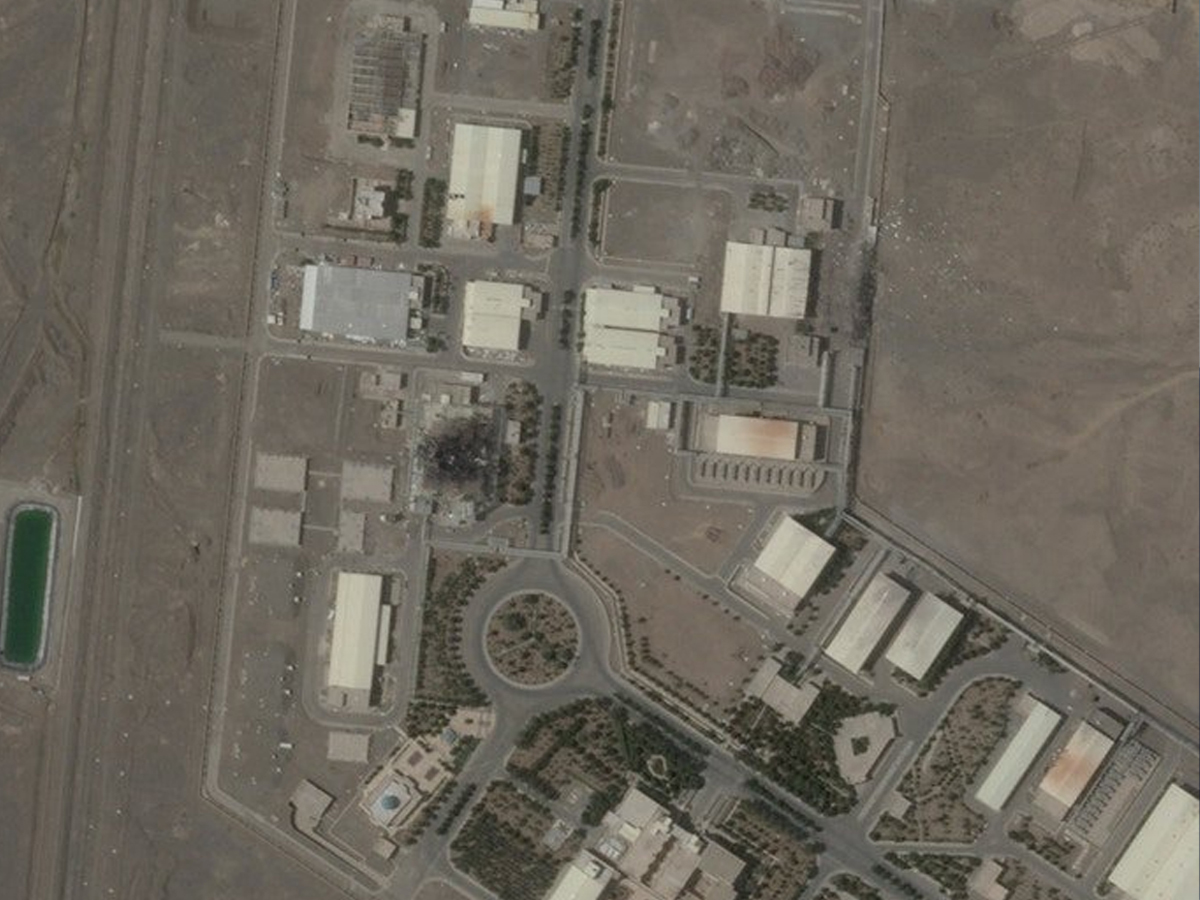
The Natanz nuclear facility plays a central role in Iran’s uranium enrichment activities and has long remained under IAEA monitoring. (Photo: X/FaytuksObs_TM)
Iran has confirmed that its Natanz nuclear facility, a key site in the country’s nuclear programme, was struck during ongoing US and Israeli military operations. The admission has sharply escalated global concern, with international nuclear officials warning that a radiation leak with “serious consequences” cannot be ruled out if the situation worsens.
Speaking during a meeting of the International Atomic Energy Agency (IAEA), Iran’s ambassador Reza Najafi accused Washington and Tel Aviv of deliberately targeting nuclear sites that are under international safeguards. He said Natanz was among the locations hit during the latest round of strikes.
"Again, they attacked Iran's peaceful, safeguarded nuclear facilities yesterday," said Najafi.
Iran's ambassador to the UN nuclear agency alleges that US-Israeli airstrikes targeted the Natanz enrichment facility, reports AP
— Press Trust of India (@PTI_News) March 2, 2026
The Natanz nuclear facility plays a central role in Iran’s uranium enrichment activities and has long remained under IAEA monitoring. Any damage to such a site raises fears not just of military escalation, but also of potential nuclear safety risks affecting the wider region.
Najafi confirmed the strike while addressing the IAEA’s 35-nation Board of Governors and later told reporters that Natanz was specifically targeted. His remarks added urgency to an already tense international debate over the safety of nuclear facilities during armed conflict.
IAEA Director General Rafael Mariano Grossi voiced serious concern over the situation. Addressing the board, Grossi warned that a radiological release cannot be excluded if attacks on nuclear sites continue.
He cautioned that any radiation leak could trigger evacuations across areas “as large or larger than major cities,” underlining the potentially devastating humanitarian impact. Grossi stressed that the IAEA has extensive knowledge of nuclear materials in Iran and stands ready to provide technical assistance if required.
Grossi revealed that the IAEA has repeatedly tried to contact Iran’s Atomic Energy Organisation but has received no response so far. This lack of communication has deepened worries among international observers about the condition of nuclear facilities under bombardment and Iran’s ability to manage any emergency.
Despite these concerns, the IAEA said radiation levels in countries neighbouring Iran currently remain at normal background levels. However, Grossi warned that the situation remains fluid and could deteriorate rapidly if further damage occurs at Natanz.
The confirmed strike on Natanz comes as the war between Iran and Israel, backed by the United States, enters its third day. Iran has launched missile attacks toward Israel and some Arab states, while Hezbollah has carried out strikes from Lebanon.
At the same time, US forces continue to target Iranian infrastructure, increasing fears that the conflict could spiral into a wider regional war with global consequences.
While no radiation leak has been detected so far, international agencies remain on high alert. The targeting of safeguarded nuclear facilities has raised alarm across diplomatic and scientific circles, with experts warning that continued strikes could push the crisis into dangerous territory.
As fighting intensifies, the focus now shifts to whether communication channels reopen between Iran and international nuclear inspectors—and whether further attacks on sensitive sites can be avoided.
