The Justice Department’s Epstein Files show that Trump and Prince Andrew are listed in an FBI briefing of prominent names tied to allegations. The documents have not been verified or are not legally conclusive.
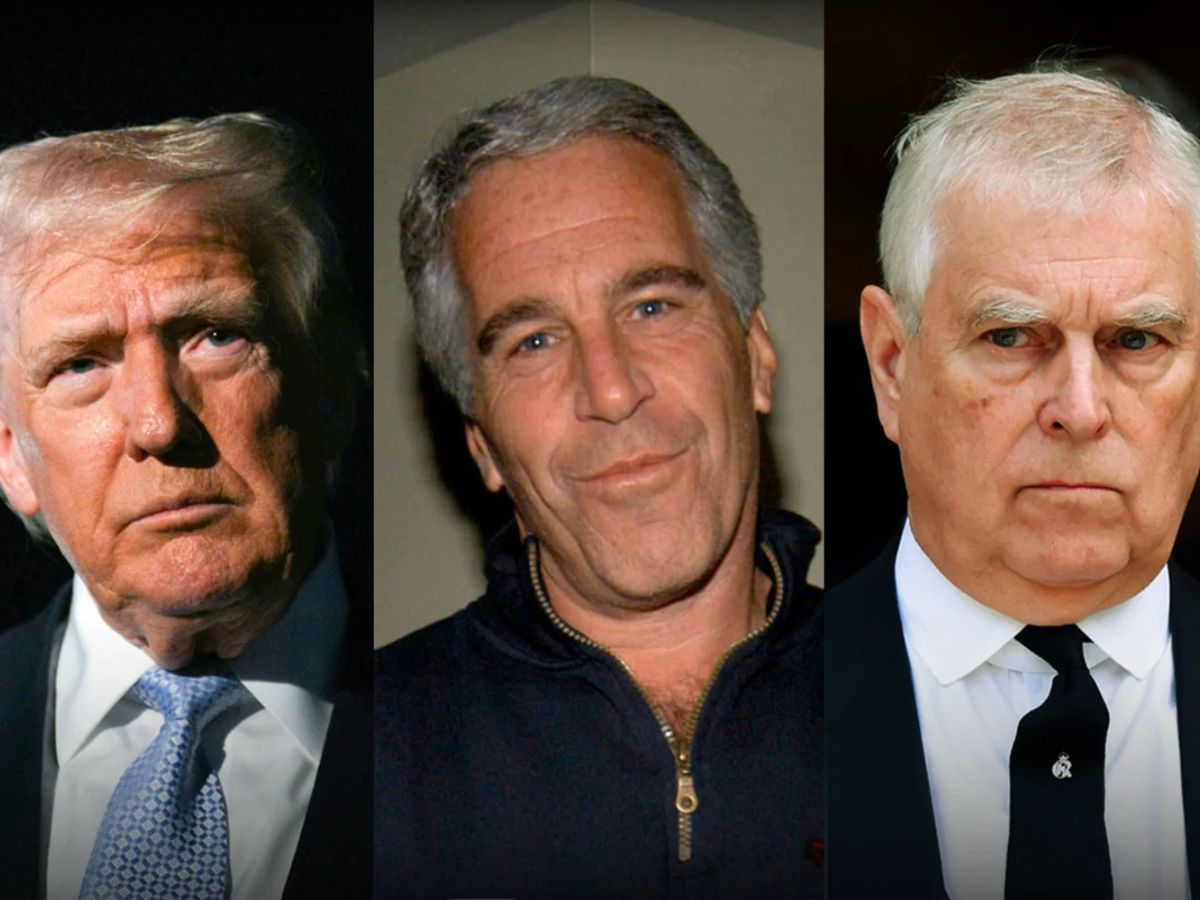
The Justice Department’s Epstein Files show that Trump and Prince Andrew are listed in an FBI briefing [Photo: X]
Newly released documents from the Jeffrey Epstein Files have stirred global attention again by naming US President Donald Trump and Britain’s Andrew Mountbatten-Windsor among a list of “prominent names” referenced in a 2025 FBI briefing linked to the long-running Epstein investigation. The records are part of a massive release by the US Department of Justice, intended to comply with the Epstein Files Transparency Act, which requires the publication of millions of pages of previously sealed records.
While none of the material amounts to proven facts or criminal charges, its disclosure has reignited debate about the circle of influential individuals connected, directly or indirectly, to Epstein’s network and raised questions about how high-profile associations were handled by investigators.
The term Epstein Files refers to the trove of investigative documents collected by US law enforcement and prosecutors during their probe of Jeffrey Epstein, a convicted sex offender who died in 2019 while awaiting trial on federal sex-trafficking charges. In late January 2026, the Department of Justice released more than 3 million pages of documents, including emails, videos and images, that had remained sealed for years.
The release followed bipartisan pressure and the implementation of the Epstein Files Transparency Act, a law designed to make these records public. Officials say they have reviewed the material for redactions, but the files still contain unverified leads and raw, sensitive content.
Among the newly released records is an FBI presentation prepared by the Child Exploitation and Human Trafficking Task Force listing 11 “prominent names” mentioned in tips and allegations related to Epstein’s activities. Both Trump and Andrew Mountbatten-Windsor appeared on that list, though the names were included as part of summaries of claims referenced by witnesses or complainants, not as verified findings.
Officials emphasise that inclusion in the FBI briefing does not equate to confirmed involvement in criminal conduct. Rather, the briefing was a tool for investigators to track claims and leads received during the larger Epstein investigation.
The briefing includes unverified claims that a witness was introduced by Epstein to Trump and that inappropriate conduct occurred. One passage in the presentation notes that this witness said Trump “subsequently forced her head down to his exposed penis, which she subsequently bit. In response, Trump punched her in the head and kicked her out.” Another alleged that the former president responded “Yes” when Epstein introduced a woman to him.
Trump has denied any inappropriate involvement and dismissed such claims as politically motivated smear tactics. Press secretaries and White House officials have stated that the files do not provide evidence of wrongdoing and that much of the material consists of raw, unverified information that should not be taken as factual.
Prince Andrew, who stepped back from royal duties amid earlier Epstein controversies, also appears in the FBI briefing. Unverified claims in the documents include allegations that women were told to perform sexual acts to “make Prince Andrew happy” and that he participated in encounters during visits to Epstein’s private Caribbean island. Another document referenced a witness who said Andrew was seen “grinding against a young girl” on the island.
As with Trump, these references are part of unconfirmed allegations collected during the broader investigation, and Andrew has denied all wrongdoing. Earlier releases of Epstein-related material had already shown his name in connection with Epstein on numerous occasions.
The FBI briefing and related Epstein documents also mention other influential figures — including former US President Bill Clinton, film producer Harvey Weinstein, financier Leon Black and retail magnate Les Wexner — among others referenced in tips or witness statements. However, their inclusion in the records does not necessarily imply wrongdoing or official suspicion. Many individuals named in the files have publicly denied knowledge of any illegal activities or direct involvement in Epstein’s crimes.
The documents have sparked renewed public interest because they highlight the breadth of Epstein’s social network and how investigators documented references to powerful people. The files contain a mix of emails, correspondence, guest lists, and raw allegations that reflect both social interactions and serious claims.
Justice Department officials have acknowledged that some material is unverified or sensational, and a top department official recently downplayed the likelihood of additional criminal charges arising from these releases.
The White House and UK spokespeople have reiterated that inclusion in the files does not imply guilt, and emphasised that many claims are based on raw tips or witness accounts that have not been corroborated. Critics argue, however, that the release of such vast material is necessary for transparency and accountability, even if it raises complex questions about public figures’ associations with Epstein.
As the public continues to sift through the Epstein Files, the focus remains on establishing clear facts while acknowledging the limitations of raw, unverified material in shaping legal or historical narratives.
