
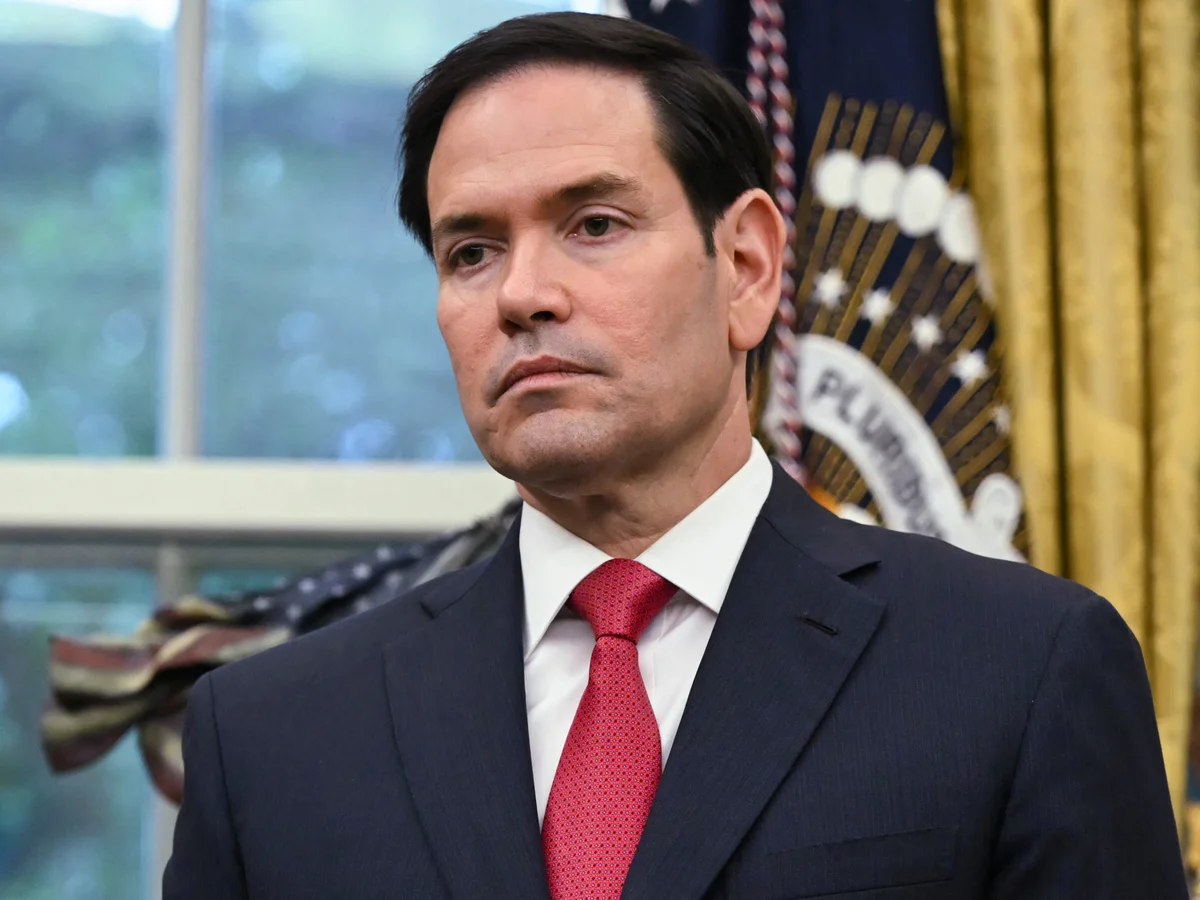
Munich has long been the transatlantic family’s annual therapy session: part reassurance ritual, part strategic stock-taking, part crafting a path forward. When US Secretary of State Rubio spoke at Munich, his tone offered useful insight about the possible trajectory of US/Europe relations under the second Trump administration. He reaffirmed US commitment to NATO’s core deterrence mission and to collective defence principles. Even though phrased in transactional language of burden sharing, defence spending targets, and monetary contributions, the underlying architecture was not repudiated, which implies that Washington does not intend to abandon Europe’s security umbrella.
Rubio framed the relationship less as a community of shared liberal values and more as a strategic partnership contingent on reciprocity. The subtext was clear: Europe must invest more in its own defence and industrial resilience. The tone was firm but not dismissive. Competition with China naturally remains the organizing principle. Europe was encouraged to align more clearly with US positions on export controls, supply chains, and technological safeguards, which reinforces the idea that transatlantic relations will remain increasingly linked with broader systemic rivalry.
In short, Rubio sketched a future that is pragmatic, security-anchored, and conditional—but not isolationist. While Trump’s at times bellicose rhetoric over the past year has focused on America being “taken advantage of” vis-à-vis US defence guarantees, threats to reconsider NATO commitments if allies do not meet spending thresholds, and an America-First framing that sometimes blurred into scepticism about multilateralism, Rubio’s remarks were notably more disciplined and less incendiary. He did not dwell on threats of withdrawal. He avoided language implying that alliance commitments are optional. Instead, he presented burden sharing as a mutual strengthening mechanism, not a precondition for protection.
That tonal shift matters. It reframes the debate from punitive leverage (“pay up or else”) to negotiated recalibration (“we need a stronger European pillar within NATO”). The substance—Europe must spend more—remains consistent, but the delivery was different: steadier, less theatrical, more institutional, and in a sense, more believable.
A year ago, Vice President Vance was more openly sceptical of long-term US commitments abroad, especially in the context of Ukraine and broader European security. His framing leaned toward retrenchment and domestic prioritization, suggesting that Europe should assume primary responsibility for its own neighbourhood and that US involvement should be sharply limited. Rubio’s speech, by contrast, did not signal retrenchment. It implied recalibration, not retreat. While Vance emphasized constraint and the limits of American obligation, Rubio emphasized reform and restructuring within an ongoing alliance.
The difference is subtle but significant: Vance’s approach reads as strategic narrowing; Rubio’s reads as conditional stewardship. For Europeans parsing nuance, that distinction is consequential. It suggests internal variation within the Republican foreign policy ecosystem—between nationalist retrenchment and conservative internationalism. They are right to derive some comfort—but not complacency. NATO was not repudiated, US engagement was affirmed, not disavowed, the language of alliance endured, and there was genuine reason for hope.
But that comfort should be cautious because, of course, the ultimate direction of policy rests with the president. The speech did not restore a values-first framing; rather, it embedded the alliance within metrics and expectations. Domestic politics will continue to drive policy volatility. Funding debates, electoral pressures, and populist currents will remain structural variables. Europeans should therefore view the speech as evidence that a Trump administration may not seek dramatic rupture—but they should not assume insulation from pressure or conditionality.
If the Trump administration were to operationalize Rubio’s tone, the following concrete steps would need to be seen:
(1) Budget clarity: Sustained or increased funding for European Deterrence Initiative programs and NATO commitments would signal seriousness.
(2) Institutional engagement: The US would need to participate in high-level NATO summits, routine consultations with EU institutions, coordinated communiqués, and meaningful diplomacy.
(3) Ukraine policy coherence: A policy would need to be adopted that avoids abrupt funding interruptions or unilateral concessions.
(4) China coordination mechanisms: Structured US/EU dialogues on export controls and technology standards would illustrate that alignment is not merely rhetorical.
(5) Predictability: Sudden, public threats to withdraw from alliance obligations would need to stop.
Without these actions, Munich will be remembered as atmospherics rather than policy. Rubio’s speech reflects a broader reality: the US is unlikely to abandon Europe, but it is equally unlikely to return to a sentimental conception of the transatlantic bond. The alliance is entering a post-romantic phase. It will be measured in capabilities, spending levels, supply chain resilience, and strategic alignment. Europeans should neither panic nor relax. Instead, they should accelerate defence integration, expand industrial capacity, and prepare for a more autonomous strategic role. Ironically, doing so would both hedge against US unpredictability and strengthen the alliance Rubio appeared to defend.
If the Trump administration translates Rubio’s rhetoric into institutional continuity and disciplined execution, transatlantic relations may stabilize at a new equilibrium—leaner, tougher, less rhetorical, but still intact. If not, Munich will join a long list of speeches that reassured allies briefly while structural rupture continued. The real test is what is funded, signed, and sustained in Washington.
* Daniel Wagner is CEO of Country Risk Solutions and the author of numerous books on international relations.




