US-Russia Nuclear Escalation: The expiry of New START ends decades of nuclear limits, raising fears of a renewed arms race between the US and Russia.
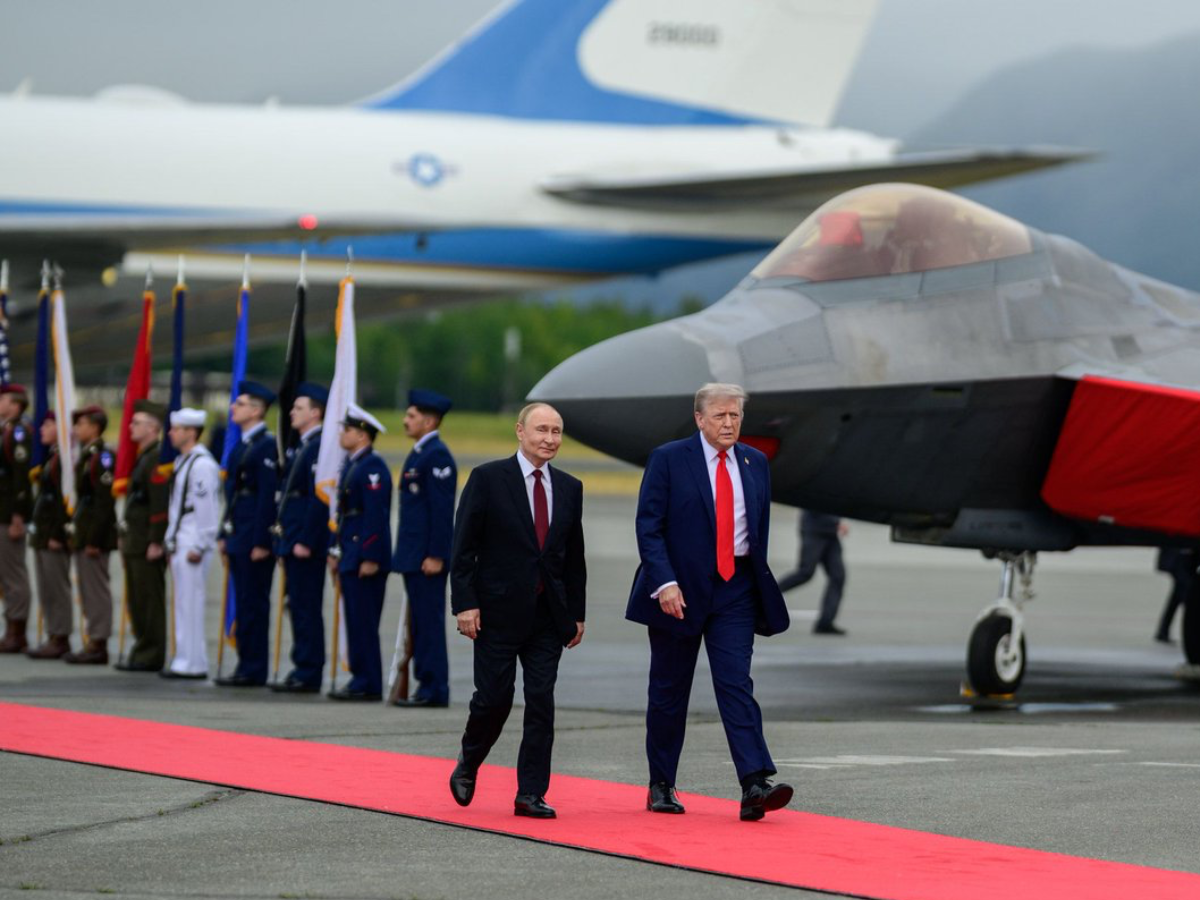
The expiration of the New START treaty leaves the world’s largest nuclear arsenals without binding limits (Photo: X)
US-Russia Nuclear Escalation: The expiration of the New START treaty marks a significant change in the world of security. For over fifty years, the two largest nuclear powers will be able to manage their nuclear programs without any constraints with tensions escalating around the world, this expiration is not just about the end of a treaty but also the deterioration of the norms that had kept the escalation under control.
New START, signed in 2010, established a limit of 1,550 deployed strategic nuclear warheads and limited delivery vehicles such as missiles and bombers. As the deadline draws near, the current regime that has maintained the balance of US and Russian nuclear stockpiles for so long, the final official safeguard against uncontrolled growth, could evaporate. The US and Russia possess 90% of the world’s nuclear arsenal where arms control specialists predict that without these controls, tensions could escalate rapidly and increasing the risk of miscalculation.
The collapse of the treaty did not come all at once instead the past fifteen years, a series of arms control treaties has fallen apart including ones regarding intermediate-range missiles and aerial surveillance. Trust between the two camps had been steadily diminishing, particularly following Russia’s suspension of key inspection activities in 2023. As of the beginning of 2026, diplomatic negotiations had come to a standstill, despite last-minute calls for an extension.
| Country | Deployed | Stored / Reserve | Retired | Total (Approx.) |
| United States | 1,770 | 1,930 | 1,477 | 5,177 |
| Russia | 1,718 | 2,591 | 1,150 | 5,459 |
| China | 576 | Not disclosed | 0 | 600 |
| France | 280 | Limited | 0 | 290 |
| United Kingdom | 120 | ~105 | 0 | 225 |
| India | 170 | Not disclosed | 0 | 180 |
| Pakistan | 165 | Not disclosed | 0 | 170 |
| Israel | 90 | Not disclosed | 0 | 90 |
| North Korea | 30–40 | Uncertain | 0 | 50 |
Arms researchers believe that the United States has an estimated 5,177 nuclear warheads, with Russia not far behind with 5,459. Of these, 1,700 on each side are deployed and ready to be used. China’s estimated 600 nuclear warheads are mostly not deployed with the sheer number of the United States and Russia’s nuclear warheads casts a global shadow over the implications of their policies.
| Country | Total Nuclear Warheads (Estimated) |
| Russia | 5,459 |
| United States | 5,177 |
| China | 600 |
| France | 290 |
| United Kingdom | 225 |
| India | 180 |
| Pakistan | 170 |
| Israel | 90 |
| North Korea | 50 |
Some policymakers believe that a better agreement could potentially replace New START and perhaps even include China. This is unlikely with a three-way agreement would likely take years, not months and Beijing has not expressed much interest in negotiations while its nuclear arsenal is still relatively small. In the past, success in arms control has usually depended on operating structures, not their absence.
The expiration of New START is not only a concern for the United States and Russia. It also poses a threat to the Nuclear Non-Proliferation Treaty, which relies on the restraint of nuclear nations with huge amounts of money pouring in to modernize missiles and bombs, there is a fear that a new arms race could take off. As one analyst recently said, “Nuclear weapons do not soothe international politics anymore; they seem to amplify the uncertainty.”
