
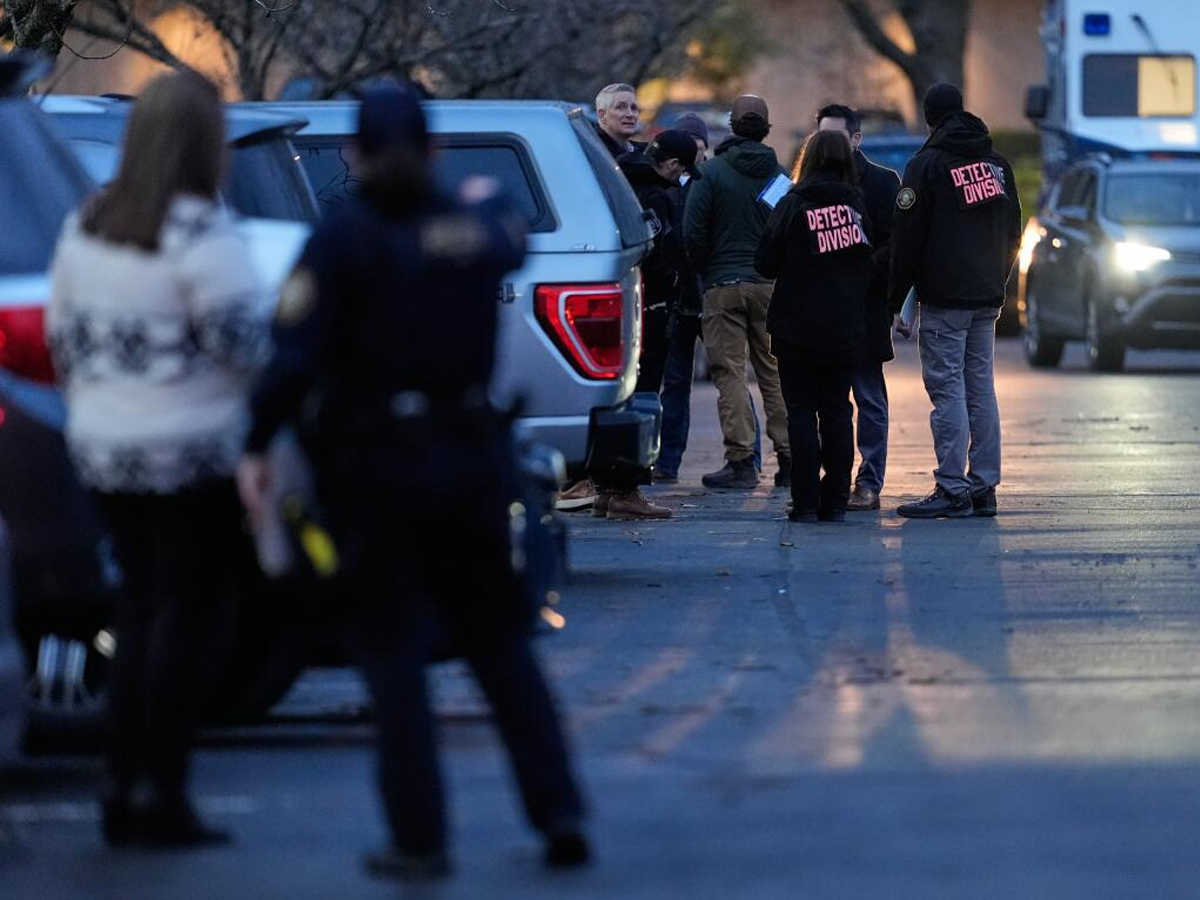
Tensions over the United States’ aggressive immigration enforcement escalated sharply after federal agents shot two people outside a hospital in Portland, Oregon, just a day after an Immigration and Customs Enforcement (ICE) officer fatally shot a woman in Minneapolis.
The back-to-back incidents have intensified protests, deepened rifts between state and federal authorities, and reignited debate over President Donald Trump’s immigration policies and the limits of executive power.
What Happened in the Portland Shooting?
Federal agents opened fire during an operation in Portland on Thursday, leaving two people injured. According to local police, both victims were later taken to a hospital, with one reportedly shot in the leg and the other in the chest. Their conditions remain unclear.
The Department of Homeland Security (DHS) said US Border Patrol agents stopped a vehicle while searching for a man suspected of being an undocumented immigrant with links to a Venezuelan gang. DHS claimed agents fired their weapons when the driver attempted to run them over. Portland police later said they found two gunshot victims nearly two miles from the scene and confirmed that local authorities could not independently verify the federal account.
Minneapolis Shooting Triggers Nationwide Anger
The Portland incident followed a fatal shooting in Minneapolis on Wednesday, where an ICE officer killed Renee Nichole Good, a 37-year-old mother and US citizen. Federal officials alleged she tried to run over the officer, while activists and witnesses disputed that version, saying video footage suggested she steered away.
State investigators in Minnesota said they were excluded from the federal investigation, fuelling anger among Democratic leaders and civil rights groups. Protests intensified across the state, with demonstrators accusing federal agencies of excessive force and lack of accountability.
Portland shooting: Protests Grow as States Clash With Federal Agencies
Demonstrations erupted in both cities, with Portland police arresting six people during protests near an ICE facility in South Portland. Democratic governors and mayors demanded that the Trump administration withdraw federal officers, arguing that their presence has inflamed tensions rather than ensured safety.
Oregon Governor Tina Kotek strongly criticised the federal approach, saying, “When a president endorses tearing families apart and attempts to govern through fear and hate rather than shared values, you foster an environment of lawlessness and recklessness.”
Civil rights activists echoed these concerns, calling the operations provocative and dangerous, especially in communities already on edge.
Trump’s Remarks on Power and International Law Resurface
The shootings have drawn renewed attention to President Trump’s recent comments about his authority. In an interview with the New York Times, Trump said his power as president is limited only by his personal judgment.
“Yeah, there is one thing. My own morality. My own mind. It’s the only thing that can stop me,” he said, adding, “I don’t need international law. I’m not looking to hurt people.”
When pressed on whether his administration must follow international law, Trump responded, “I do,” but added, “It depends on what your definition of international law is.”
Immigration Enforcement Under the Spotlight
Federal officials argue that agents increasingly face threats from suspects using vehicles as weapons, a claim they say justified the use of force in both incidents. However, past cases and disputed video evidence have led critics to question these narratives.
As protests continue and investigations unfold, the twin shootings have become a flashpoint in the wider debate over immigration enforcement, civil liberties, and the balance of power between state and federal authorities. With no sign of tensions easing, the incidents risk further polarising an already divided nation.




