Bill and Hillary Clinton agree to testify in the House Epstein probe ahead of a possible contempt vote, ending a long standoff over subpoenas and congressional oversight.
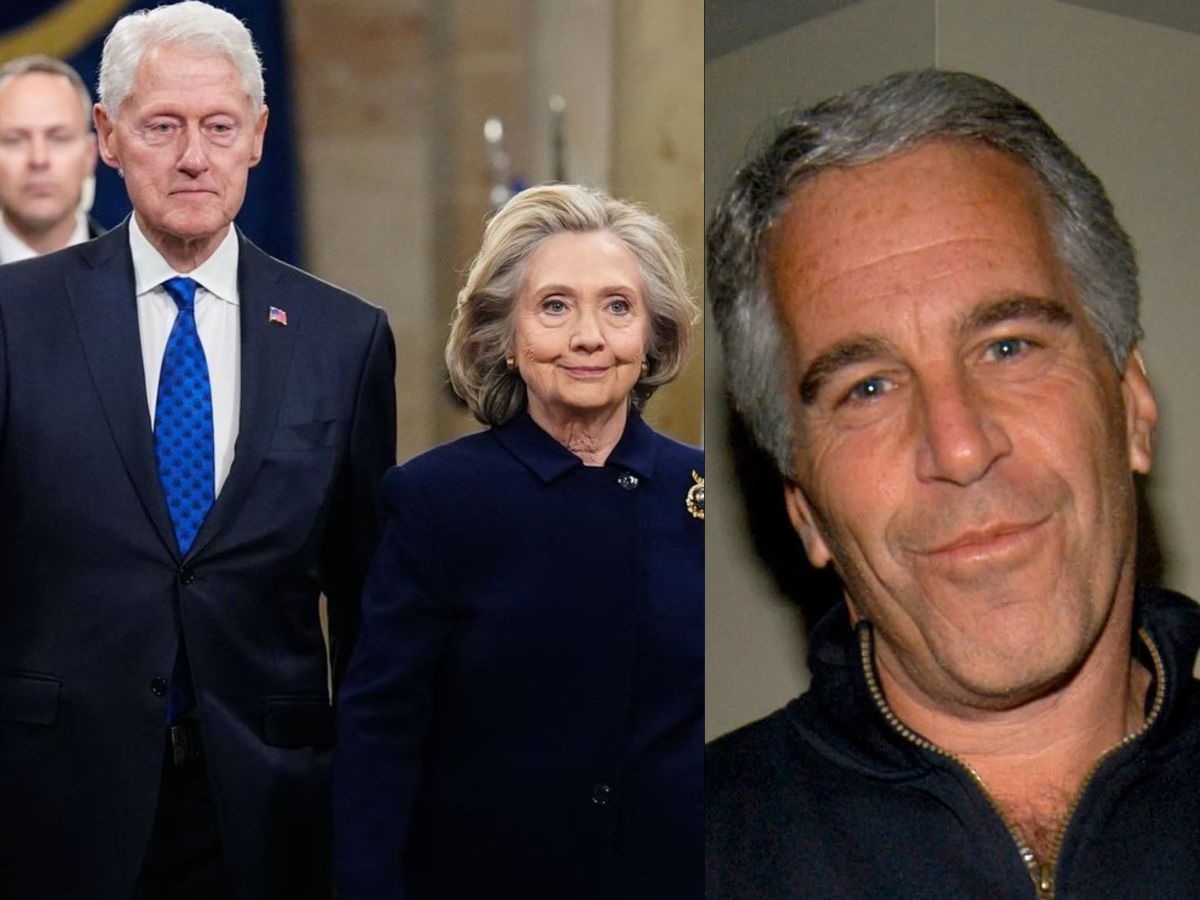
Bill and Hillary Clinton agree to testify in the House Epstein probe [Photo: X]
Former US President Bill Clinton and former Secretary of State Hillary Clinton have agreed to testify before the US House of Representatives in the long-running congressional investigation into convicted sex offender Jeffrey Epstein, just days before the House was poised to vote on holding them in contempt of Congress.
The decision alters months of tense standoffs between the Clintons and Republican lawmakers over subpoenas that previously went unheeded.
After initially resisting congressional subpoenas, Bill and Hillary Clinton’s legal team informed the House Oversight Committee that both would appear for sworn depositions on mutually agreeable dates. The announcement came late Monday, ahead of expected votes on contempt charges that could have marked one of the most serious actions Congress could take against former senior officials.
House Oversight Committee Chair Rep. James Comer (R‑Ky.) said the terms were still being clarified and that contempt proceedings were not automatically off the table. The committee had advanced criminal contempt resolutions last month after the Clintons failed to comply with earlier requests to testify in person.
The Clintons previously rejected Congress’s requests to testify, arguing that the subpoenas were invalid and lacked a legitimate legislative purpose. Through their attorneys, they contended that they had already provided the limited information they possessed about Epstein and his associate Ghislaine Maxwell in written sworn statements.
Bill Clinton acknowledged flights on Epstein’s private jet for foundation work, but denied visiting his private island or knowing about Epstein’s crimes. Hillary Clinton maintained she had no meaningful interaction with Epstein.
Their refusal set the stage for an escalating dispute with House Republicans, who framed the refusal as defiance of congressional oversight. That confrontation ultimately led to the advancement of contempt of Congress resolutions against both Bill and Hillary Clinton, a rare move for former national leaders.
The Epstein investigation in Congress focuses on the late financier’s ties to powerful figures and how authorities handled his criminal activities before he died in 2019. The House Oversight Committee’s efforts intensified after the Department of Justice released millions of pages of internal Epstein files, revealing connections to high‑profile individuals across politics, finance and entertainment.
By agreeing to testify, the Clintons may help quell criticism that they were attempting to avoid accountability. Their testimony could offer lawmakers additional context about their past interactions with Epstein, even though federal prosecutors have not accused either Clinton of criminal wrongdoing in the case. Still, the prospect of having both a former US president and a former secretary of state appear under oath before Congress is significant and could influence future oversight standards for public officials.
The recently released Epstein files include numerous references to Bill Clinton, though he has not been accused of any criminal wrongdoing. Flight logs show that the former president flew on Jeffrey Epstein’s private plane for Clinton Foundation‑related work, while other documents reference Clinton in meetings and social events alongside Epstein, Ghislaine Maxwell, and celebrities like Michael Jackson.
One notable image depicts a shirtless Bill Clinton in a hot tub with an individual whose face was redacted by the DOJ. Hillary Clinton’s name also appears in the documents, but records show she had no meaningful interaction with Epstein, never visited his private island, and never flew on his plane.
While these references fueled congressional interest, they do not indicate illegal activity, but rather provide lawmakers context on the Clintons’ interactions with Epstein during his lifetime. The House Oversight Committee will likely explore these details further during the upcoming testimony.
The potential contempt of Congress vote raised the possibility of criminal penalties, including fines or even incarceration, if the full House had adopted the resolutions and the Justice Department pursued prosecution. Historically, contempt charges against prominent figures in the Epstein case have been rare, and punishment has been infrequent, but the threat heightened pressure on the Clintons to cooperate.
Republicans touted the decision as necessary to enforce congressional authority, while some Democrats described the push as politically motivated and excessively punitive. House Oversight Committee leaders criticized the Clintons for negotiating terms rather than complying fully with subpoena demands.
Political reactions have been strongly divided. Oversight Chair Comer stressed that cooperation must be complete and insisted that the Clintons comply fully. Some Democrats warned that the contempt resolutions were weaponized to score political points, especially given the involvement of other high‑profile figures who have not faced similar pressures to testify.
Critics of the investigation also pointed out comparisons to how other witnesses were treated, arguing for equal enforcement of congressional oversight. Meanwhile, supporters of testimony argued that public confidence in congressional investigations benefits from transparency and accountability — even if the subjects hold high stature in national politics.
As terms and dates for the Clintons’ testimony are negotiated between their lawyers and the House Oversight Committee, lawmakers will continue to assess whether to shelve upcoming contempt votes. The outcome will influence Congress’s ability to compel testimony and set a precedent for how former top officials interact with future oversight investigations.
Lawmakers also continue to examine the broader implications of the Epstein files and how powerful connections intersect with criminal investigations. While testimony by Bill and Hillary Clinton does not imply guilt, it opens a new chapter in how congressional authorities pursue information from public figures — and how political dynamics shape high‑profile probes.
