G7 leaders consider releasing emergency oil reserves as Middle East tensions push crude prices above $100. Global markets react amid fears of supply disruption.
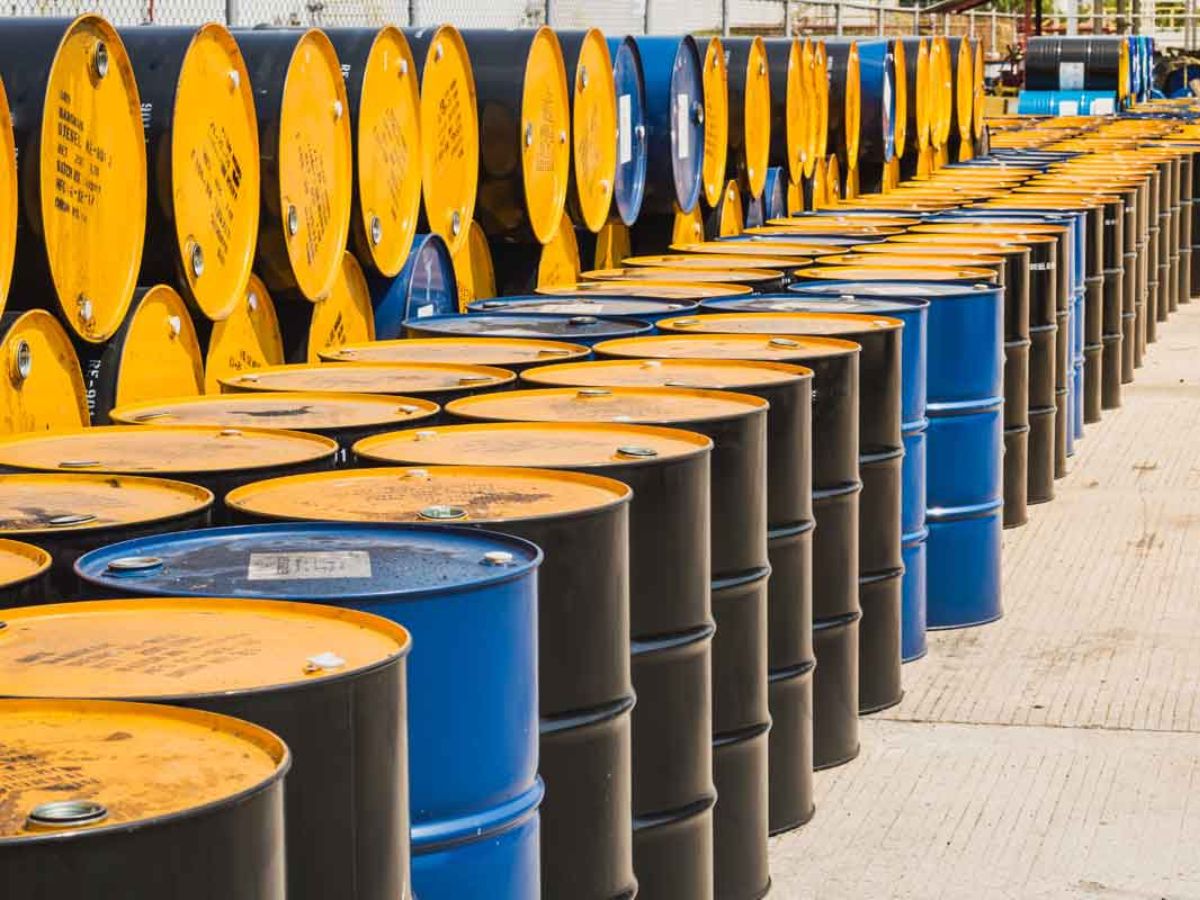
G7 leaders consider releasing emergency oil reserves [Photo: X]
Global energy markets are under pressure after oil prices surged past $100 a barrel amid escalating tensions in the Middle East. In response, finance ministers from the Group of Seven (G7) countries are preparing to hold an emergency discussion on whether to release strategic oil reserves to stabilise markets.
The move comes as investors worry that the conflict could disrupt key supply routes and create a shortage of crude oil worldwide. If approved, the release of emergency reserves could help calm markets and prevent further price spikes that affect economies and consumers across the globe.
Finance ministers from the G7 nations are preparing to hold an urgent call to evaluate the global oil market situation and discuss the possible release of emergency petroleum reserves. The meeting is expected to take place with coordination from the International Energy Agency (IEA), which manages a global system of strategic oil reserves among its member countries.
These reserves are designed to act as a safety mechanism during supply shocks or sharp price increases. Reports suggest that several countries within the G7 have already indicated support for releasing some of these reserves if the situation worsens.
The discussions aim to determine whether coordinated action could help reduce pressure on global energy markets and prevent further price volatility.
The emergency meeting comes after crude oil prices jumped dramatically due to rising tensions and military strikes in the Middle East. Energy infrastructure in and around Tehran reportedly suffered damage during the attacks, raising fears that oil production and exports from the region could face disruption.
At the same time, Kuwait’s national oil company announced a precautionary reduction in production as regional tensions escalated. These developments have triggered concerns that supply disruptions could spread across major oil-producing areas.
With global markets reacting quickly to geopolitical risks, G7 leaders want to assess whether releasing emergency reserves could help stabilise prices and reassure markets.
Crude oil prices surged sharply as investors responded to the growing risk of supply disruptions in the Middle East. Brent crude, the global benchmark, climbed as high as $119.50 per barrel during early trading before easing slightly.
This surge pushed oil prices above the $100 mark for the first time since 2022. The rise also triggered declines in stock markets across Asia as investors worried about inflation and economic pressure from rising energy costs. Energy markets reacted strongly because the Middle East plays a crucial role in global oil production and transportation.
Strategic petroleum reserves are emergency stockpiles maintained by governments to deal with sudden supply disruptions or major price shocks. The International Energy Agency oversees a coordinated system among its 32 member countries.
Together, these nations hold roughly 1.2 billion barrels of oil in reserve. These reserves allow governments to release oil into the market when supply shortages threaten economic stability.
Experts suggest that a potential release could range between 300 million and 400 million barrels, which would represent a significant portion of the total reserves. The emergency reserve system was first created in 1974 after the Arab oil embargo triggered a major global energy crisis.
The ongoing conflict has raised serious concerns about disruptions to global oil transportation routes. One of the biggest worries involves the Strait of Hormuz, a critical shipping route through which around one-fifth of the world's oil and liquefied natural gas normally passes.
Reports suggest that tanker traffic in the region has already slowed significantly, creating fears that supply could tighten if the situation continues. Energy markets reacted quickly to the risk, with European gas prices also climbing sharply. The UK’s month-ahead gas price rose nearly 19%, while European benchmark gas prices also increased.
Global leaders have begun commenting on the impact of the energy price surge. While the increase could place pressure on economies, some leaders described it as a temporary effect of geopolitical tensions.
Donald Trump said on Sunday the rise in oil prices was “a very small price to pay” for the US and the world, Safety and Peace”, describing it as a “short-term” consequence of the US-Israel war on Iran.
Meanwhile, Iranian officials warned that continued military escalation could lead to even higher oil prices worldwide. A spokesperson for the country’s Revolutionary Guard Corps said, “If you can tolerate oil at more than $200 per barrel, continue this game.”
Energy analysts warn that oil prices could continue rising if the conflict intensifies or if key oil transportation routes remain disrupted. The longer the instability continues in the region, the greater the risk of shortages and further market volatility.
However, coordinated action by major economies, such as releasing emergency reserves, could help reduce pressure on global oil markets. Such measures have been used in the past during major geopolitical crises to stabilise supply and control price spikes.
For now, investors and governments around the world are closely watching the situation as global energy markets remain highly sensitive to developments in the Middle East.
