US-Iran indirect talks in Geneva end without a nuclear deal as American F-22 jets and carrier groups mass in the Middle East. More talks set for Vienna next week.
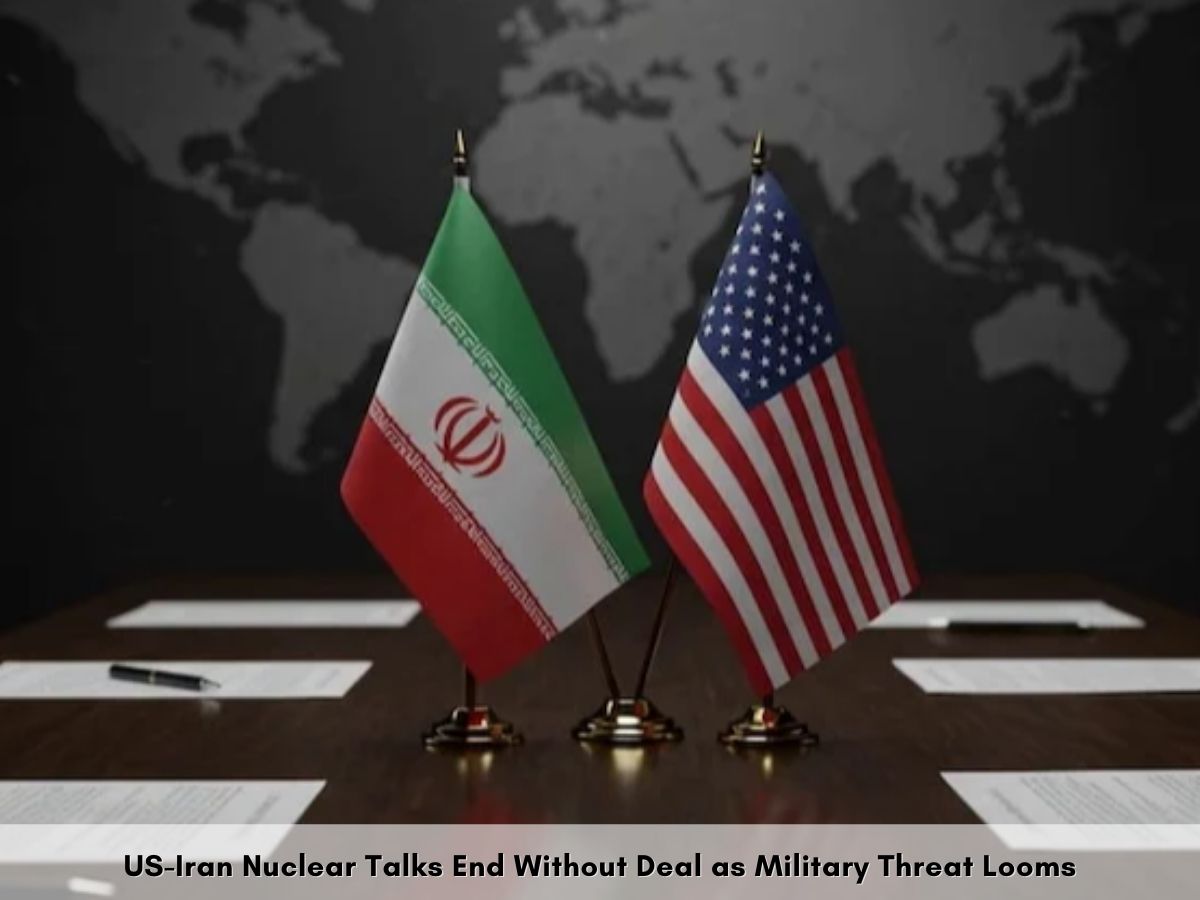
Iran Nuclear Standoff Deepens: Talks End, Uranium Stockpile Fight Rages as Trump Masses Warships and Jets (Image: X)
High-stakes indirect talks between the United States and Iran over Tehran's nuclear programme concluded Thursday without an agreement, as the White House weighs military action that would mark its largest Middle East intervention in decades. Mediators announced further technical-level negotiations next week in Vienna, but no evidence emerged that the two sides had narrowed differences on Iran's right to enrich uranium or the fate of its enriched stockpiles.
Iranian Foreign Minister Abbas Araghchi called sessions "intense and longest," claiming good progress, but no evidence shows sides closer on enrichment rights or highly enriched uranium stocks. US special envoy Steve Witkoff found Iranian proposals disappointing; second session ended abruptly. Omani mediators highlight "creative ideas" exchanged openly despite standoff.
BREAKING:
— Commentary: Trump Truth Social Posts On X (@TrumpTruthOnX) February 26, 2026
🇮🇷🇺🇸 #Iran rejected all of the American demands – WSJ
The U.S. delegation, led by Steve Witkoff and Jared Kushner, presented Iran with the following demands:
→ Destroy three primary nuclear facilities — Fordow, Natanz, and Isfahan
→ Transfer ALL remaining enriched… pic.twitter.com/bYe2IYvq6Q
US demands permanent guarantees barring weapon-grade enrichment, full inspections, and dismantling Fordow, Natanz, Isfahan—sites Trump says US bombs obliterated last June. Iran rejects zero enrichment forever, facility destruction, or shipping 8,000kg stockpile (including 400kg at 60% purity, enough for 5-6 bombs) to US. Tehran proposes low-level enrichment under UN watch after 3-5 years, down-blending stockpiles domestically.
Trump has deployed two carrier groups (USS Abraham Lincoln, Gerald Ford), F-22 Raptors at Ovda, attack jets, refuelers, Tomahawk submarines—largest Mideast intervention in decades. President considers strikes for regime flexibility or change; commanders won't hold forces indefinitely. Araghchi pushes back on US media reports demanding total enrichment halt.
Secretary of State Marco Rubio calls Iran's missile program—some reaching 1,300 miles, growing yearly—a US threat, hitting bases or homeland. Iran deems them defensive, refuses non-nuclear talks on missiles or "resistance groups." Esmaeil Baghaei cites US demand inconsistencies.
Omani mediators predict technical talks; IAEA chief Rafael Grossi verifies low-enrichment guarantees. Araghchi leads Iran; Witkoff heads US. Tehran blocks IAEA damage inspections post-June strikes. Rubio notes: "They’re not enriching now, but trying to resume."
The director general of the IAEA, Rafael Grossi, has moved centre stage in the talks. His imprimatur is needed to convince Washington that Iran's guarantees on future low-level enrichment can be technically verified. Tehran has refused IAEA access to inspect damage at Fordow, Natanz and Isfahan since the US attack in June 2025.
A: Technical level next week in Vienna, per Omani mediators.
A: 400kg at 60% purity (5-6 bombs); 8,000kg total at 20% or below.
A: Fordow, Natanz, Isfahan, hit by US bombs June 2025.
A: "Good progress" in "most intense" rounds; more contacts soon.
A: Range grows yearly, threatens US soil and regional bases.
Disclaimer: This information is based on inputs from news agency reports. TSG does not independently confirm the information provided by the relevant sources.
