Guatemala declares a 30‑day nationwide emergency after coordinated gang attacks killed police and triggered prison riots led by Barrio 18 and MS‑13.
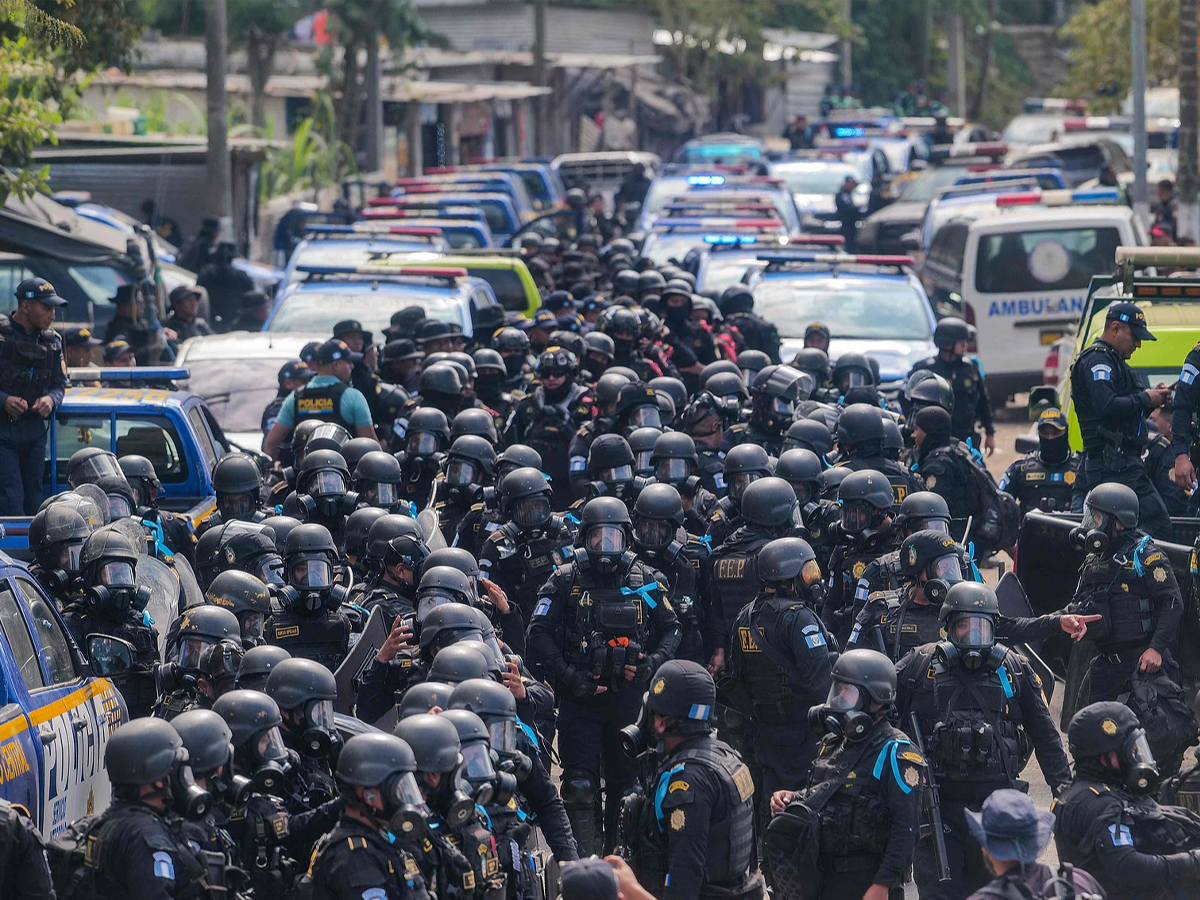
Security forces freed hostages during dawn operations, including nine held by insurgents at one facility and additional captives at the other two prisons. (Photo: VCG)
Guatemala’s president has declared a 30‑day nationwide state of emergency after a wave of gang violence shook the country’s capital and prison system. The move comes amid coordinated attacks by criminal gangs that killed several police officers and sparked widespread security operations.
President Bernardo Arévalo said the measure was necessary to restore public safety and give authorities broader powers to arrest and detain suspects without normal restrictions.
The crisis began when inmates linked to powerful gangs staged coordinated riots in three major prisons, including the Renovacion I maximum‑security facility near Guatemala City. Prisoners took dozens of guards and staff hostage in protest of recent restrictions on gang leaders’ privileges. Authorities quickly responded, and security forces regained control of the prisons.
Security forces freed hostages during dawn operations, including nine held by insurgents at one facility and additional captives at the other two prisons. Despite the successful rescues, the unrest did not end there.
The violence has been linked primarily to Barrio 18, one of Guatemala’s most notorious criminal organisations, which operates alongside other groups such as Mara Salvatrucha (MS‑13). Both gangs are deeply involved in drug trafficking, extortion, and violent crime in Central America and are considered major security threats to the region.
Guatemala’s government and the United States have labelled these gangs terrorist organisations due to their violent tactics and ability to destabilise communities. The riots appear to have been orchestrated to pressure authorities into meeting gang demands related to prison conditions.
Shortly after the prisons were retaken, gang members launched coordinated attacks on police officers in and around Guatemala City, killing seven to eight officers and wounding at least 10 more. One suspected gang member was also reported killed in the clashes. Interior Minister Marco Antonio Villeda called the killings a direct response by “these terrorists… in response to the actions the Guatemalan state is taking against them.”
This wave of violence led to heightened security alerts, with the US embassy advising personnel to shelter in place and avoid crowds. Schools across the country were also closed temporarily for safety reasons.
The 30‑day state of emergency empowers the government with extraordinary tools to tackle gang networks. It suspends certain constitutional rights, including freedom of assembly and protection from arrest without a warrant, to allow police and military units to act swiftly against suspected criminals. The measure must still be approved by Guatemala’s opposition‑controlled Congress, but it can take effect before that vote.
Opposition leaders have called for unity, describing the situation as one of the most serious challenges in the country’s recent history.
In the short term, schools remain closed, and public events have been cancelled as authorities focus on securing urban areas and preventing further attacks. The defence ministry has vowed that the army will “remain on the streets” to help dismantle gang networks and maintain order.
For many Guatemalans, the crisis brings back memories of earlier periods of intense gang warfare, and it highlights the challenges of balancing civil liberties with the urgent need for security.
