Jeffrey Epstein and Ghislaine Maxwell used scholarships, cash, and massages to groom and trap vulnerable girls in a wide abuse network, say newly released files.
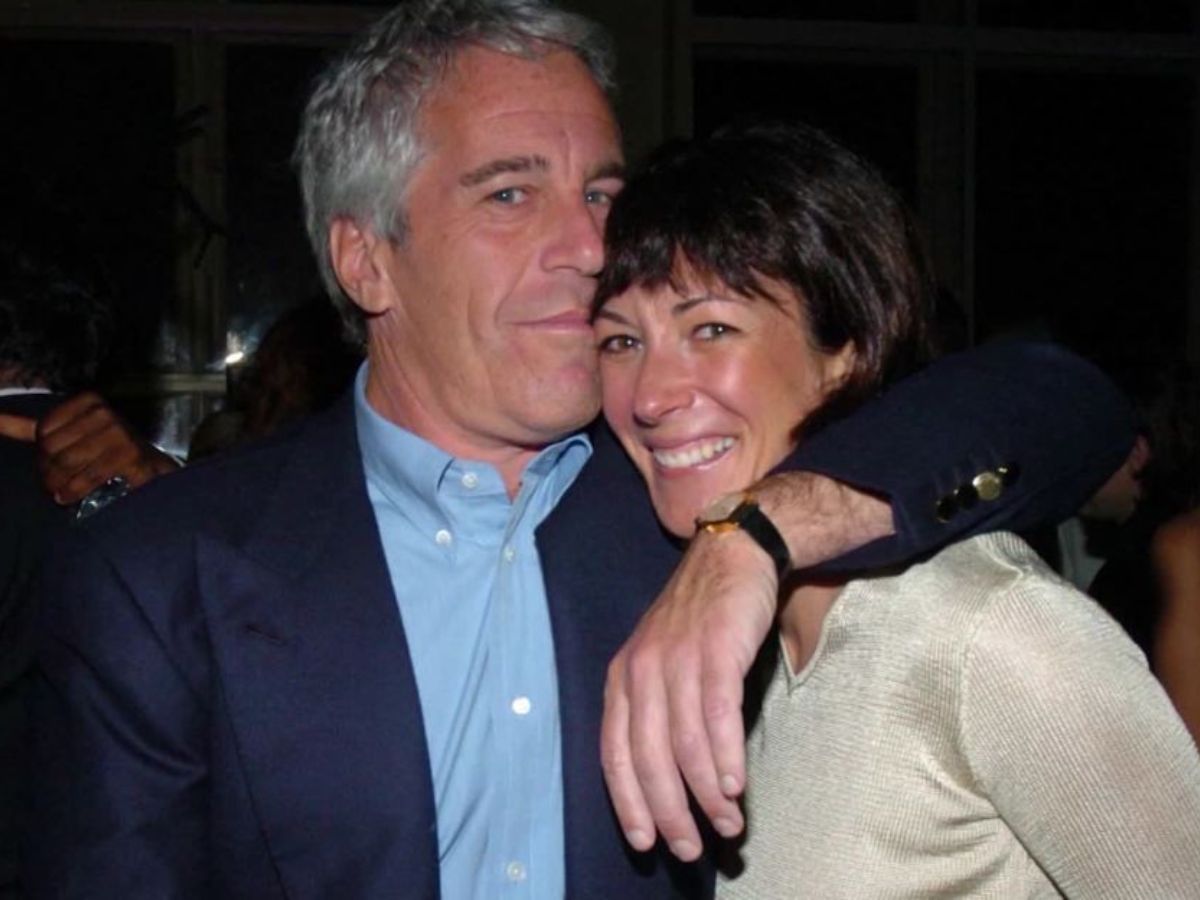
Jeffrey Epstein and Ghislaine Maxwell used scholarships, cash, and massages to groom and trap vulnerable girls [Photo: X]
Newly released documents and survivor accounts have shed fresh light on the systematic methods Jeffrey Epstein and his close associate Ghislaine Maxwell used to lure vulnerable girls into sexual exploitation.
Rather than random encounters, the trafficking network operated over decades like a pyramid of abuse, using scholarships, money, travel and social opportunities as bait to draw young females into a web of manipulation that spanned Florida, New York, New Mexico, Europe and the US Virgin Islands.
Victims often entered Epstein’s orbit with promises of help and advancement, only to find themselves trapped in a cycle of grooming, exploitation and coercion that took years to escape.
Authorities and survivor testimonies describe how Epstein and Maxwell didn’t randomly pick victims; they sought out vulnerable girls and women, particularly those from unstable homes or difficult financial situations. Maxwell, in particular, is said to have asked probing personal questions that helped identify those who could be manipulated. From there, initial friendliness often led to deeper involvement.
In one widely discussed case, a 14-year-old girl met Maxwell by chance at a summer camp and was slowly drawn into Epstein’s circle with talk of scholarships and opportunities, a turning point that eventually led to years of abuse.
Epstein and Maxwell used money and opportunity as tools of control. Their methods included:
This multi-layered approach blurred lines between assistance and exploitation, keeping victims dependent and less likely to speak out.
Investigators and prosecutors have characterised the recruitment tactics as a “pyramid scheme of abuse” — where initial victims were coaxed into recruiting peers in exchange for pay.
The more girls an initial recruit brought in, the more money she received, and so the cycle continued. In some cases, girls would convince classmates they were entering a legitimate job opportunity or artistic venture, not realising the dark reality that awaited them.
One survivor recalled how a classmate suggested she could make money giving Epstein a massage, leading to her first encounter with the financier and, eventually, to more recruitment.
What began as casual meetings, like a chat over ice cream or an introduction through gifts and attention, quickly escalated into sexual exploitation. Groomers like Maxwell often took on roles of patron, friend and facilitator, creating an environment where girls felt chosen, special, or indebted before the abuse began.
Prosecutors have pointed to evidence that Maxwell didn’t just recruit but also normalised sexual contact, sometimes by participating or directing the situations herself.
Once drawn in, victims were often moved between locations, from Epstein’s Palm Beach mansion to his Manhattan townhouse, New Mexico ranch, or private island in the US Virgin Islands, indicating an abuse network that was mobile and expansive.
Such travel compounded victims’ isolation from family and familiar support systems, making it harder to escape or report the exploitation.
Jeffrey Epstein died by suicide in prison in 2019 while awaiting federal sex-trafficking charges, and Ghislaine Maxwell received a 20-year prison sentence in 2022 for her role in the abuse network.
Despite legal action and billions paid into survivor compensation funds, many former victims say justice does not undo the trauma inflicted over years of manipulation and exploitation.
One survivor’s journal captures the lasting impact and fear: “It’s a horror story that I survived. I’m still so scared that Jeffrey is around every corner.”
The Epstein-Maxwell abuse network exposed early systemic failures, from law enforcement oversight to societal blind spots that allowed powerful individuals to evade accountability for decades. The newly released files continue to bring previously hidden details to light, and survivor advocacy remains central to understanding the full scope of what occurred.
