
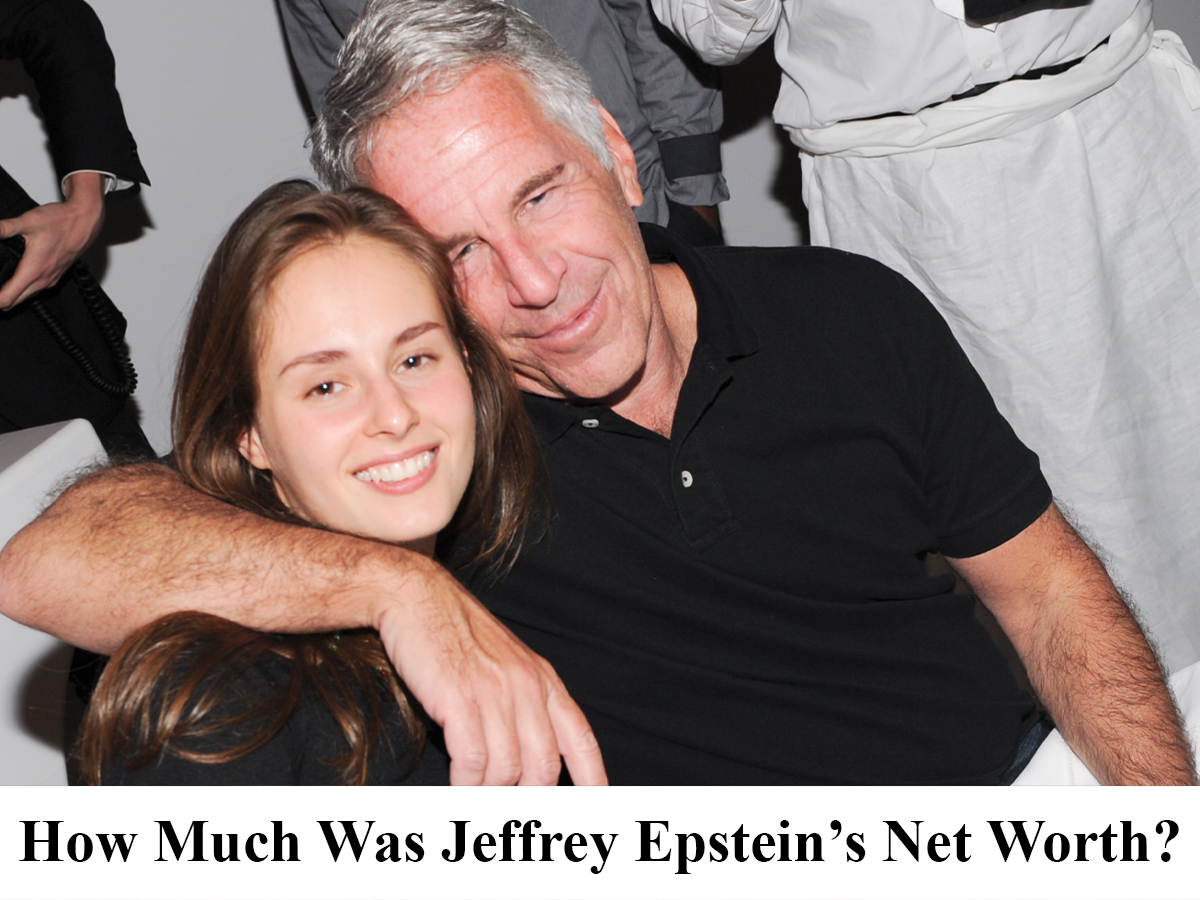
As new revelations continue to emerge about convicted sex offender Jeffrey Epstein, attention has shifted toward one of the biggest mysteries surrounding him, how he accumulated enormous wealth and maintained a luxurious lifestyle for decades. Investigators, journalists, and financial experts have long tried to understand the origins of his money, his expensive properties, and the network of powerful clients who helped him grow richer.
While court documents and financial records provide some clues, many aspects of his fortune remain controversial and debated even years after he died in 2019.
Jeffrey Epstein’s Net Worth
At the time of his death, Epstein reportedly controlled hundreds of millions of dollars in assets spread across multiple countries. His portfolio included ultra-luxury properties, large cash investments, and valuable personal items. He owned a massive townhouse in Manhattan’s Upper East Side, a high-value mansion in Palm Beach, a sprawling ranch in New Mexico, and a luxury apartment in Paris.
Beyond real estate, Epstein possessed private aircraft, high-end jewellery, and extensive financial investments. His private jet, famously nicknamed “Lolita Express,” became widely discussed during investigations. He also owned two private Caribbean islands — Little St. James and Great St. James — which investigators later linked to multiple allegations connected to his criminal activities.
How Jeffrey Epstein Made His Money Through Powerful Clients
Financial records suggest that Epstein earned significant income by managing wealth and providing tax planning services to extremely rich individuals. He promoted himself as a financial strategist who worked only with billionaires and ultra-high-net-worth clients.
Reports indicate that a large portion of his income came from a few major clients, including prominent business figures who paid enormous sums for financial advice and investment strategies.
Epstein also built relationships with influential corporate leaders and wealthy families. He claimed to help clients manage investments, reduce taxes, and structure estates, which allowed him to charge unusually high consulting fees. Critics and investigators have questioned how such services generated massive income compared to traditional financial advisory roles.
Jeffrey Epstein’s Net Worth: Did Tax Benefits And Offshore Strategies Increase Epstein’s Wealth?
Another key factor behind Epstein’s growing fortune involved aggressive tax planning and residency arrangements. After securing residency in the US Virgin Islands, he reportedly benefited from generous tax incentives designed to attract wealthy investors. Financial experts estimate that these benefits allowed him to reduce taxes significantly over several years, helping his wealth grow faster than usual.
By using offshore structures, trusts, and investment vehicles, Epstein allegedly minimized tax burdens while expanding his financial portfolio. These strategies, combined with high-fee consulting work, played a major role in building his multimillion-dollar empire.
What Happened To Jeffrey Epstein’s Estate After His Death?
After Epstein died in jail in 2019 while awaiting trial, legal battles over his assets began almost immediately. Court proceedings revealed that his estate’s value changed dramatically over time due to lawsuits, settlements, and asset sales. Authorities and victims’ lawyers worked to liquidate properties and investments to fund compensation claims.
Many of his major assets, including luxury homes and private islands, were eventually sold. A large portion of the remaining funds went toward victim compensation programs and legal settlements. Payments to survivors, legal fees, and administrative costs significantly reduced the estate’s overall value in the years following his death.
Jeffrey Epstein’s Wealth: Who Were Named Beneficiaries
Before his death, Epstein established a trust outlining how his wealth should be distributed. The document listed multiple beneficiaries, including associates, employees, and close contacts. However, legal experts clarified that beneficiaries could not receive money until victims and creditors received full compensation.
As a result, large sums remained tied up in legal proceedings and settlement agreements.
Jeffrey Epstein’s Wealth: How Estate Distribution Worked
Jeffrey Epstein’s will and the “1953 Trust” listed several potential beneficiaries, although payments were not guaranteed because victim compensation and legal claims had priority. Key names included:
- Karyna Shuliak – then-girlfriend; about $100 million and a 33-carat diamond ring were earmarked.
- Darren Indyke – personal lawyer; around $50 million, also named a co-executor of the estate.
- Richard Kahn – accountant; roughly $25 million, also appointed co-executor.
- Mark Epstein – brother, about $10 million mentioned.
- Ghislaine Maxwell – former associate; around $10 million noted in documents.
- Martin Nowak – Harvard professor; approximately $5 million listed.
In total, 40+ potential beneficiaries appeared in the trust, but any payouts depended on settling creditors, lawsuits, and victim compensation first.
Jeffrey Epstein’s Net Worth: Why Epstein’s Wealth Continues To Spark Debate
Even with extensive investigations, several questions about Epstein’s finances remain unanswered. Critics argue that his income sources appeared unusually large compared to typical financial advisory earnings. Others believe his network of powerful connections played a key role in expanding his business opportunities and influence.
As new files and court documents continue to surface, the financial side of Epstein’s life remains a central focus of ongoing discussions about accountability, power, and transparency in elite financial circles.




