
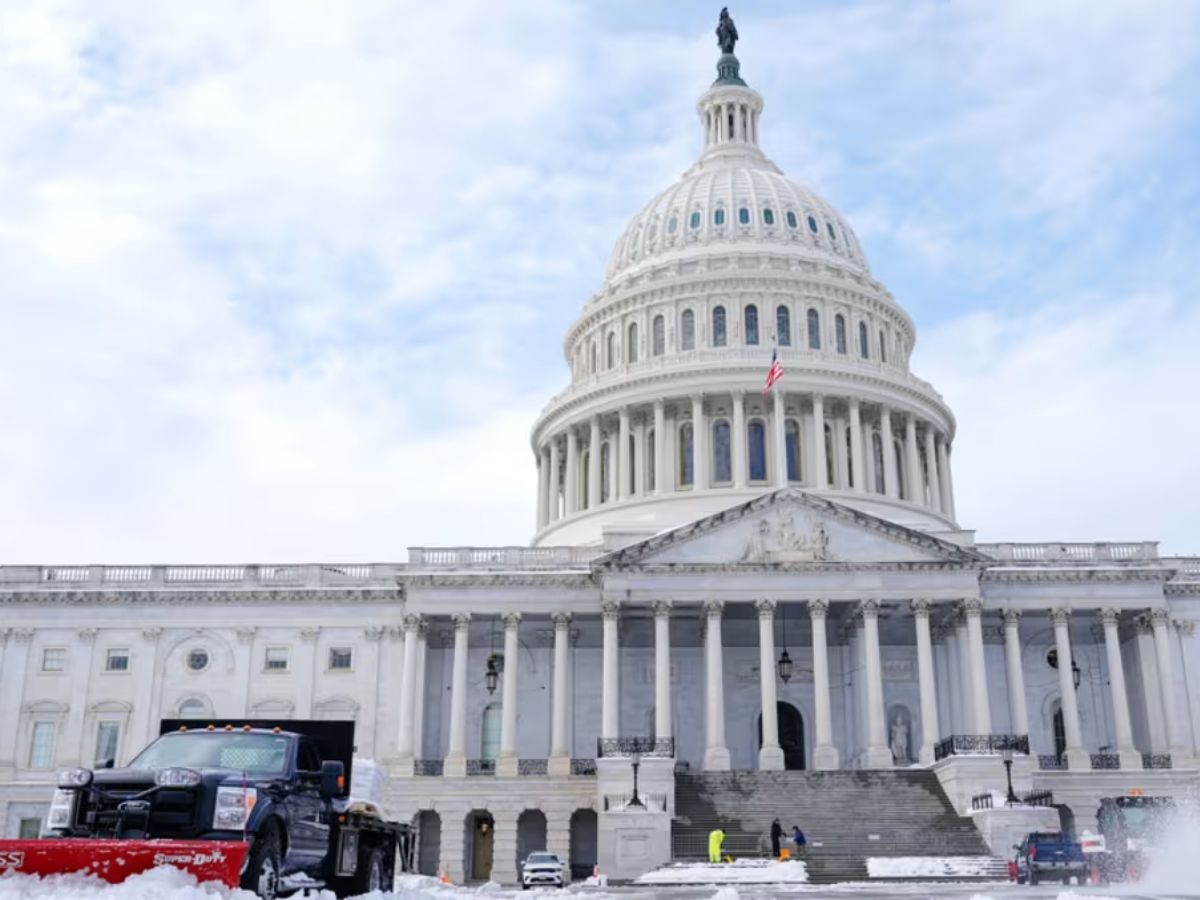
A partial U.S. government shutdown entered its third day on Monday with no resolution, as a standoff over Department of Homeland Security funding and immigration enforcement protocols continued. The shutdown began when funding for many essential agencies expired at midnight on Saturday, though operational repercussions were initially minor over the weekend.
What Caused the Partial Government Shutdown?
The shutdown resulted from a disagreement in Congress over long-term funding for the Department of Homeland Security (DHS). While the Senate approved a package on Thursday funding the Defense Department, Health Department, Treasury, and federal courts through September 30, 2026, it excluded a full-year DHS bill. Instead, the Senate passed a two-week stopgap measure for DHS, but the House of Representatives has not yet voted to approve any of the funding bills, allowing money to expire.
What Are the Democrats Demanding?
Senate and House Democrats are demanding specific immigration enforcement reforms as a condition for supporting DHS funding. These demands, fueled by recent protests over a Trump administration operation, include:
- Requiring Immigration and Customs Enforcement (ICE) and Customs and Border Protection (CBP) agents to wear body cameras that must be turned on.
- Banning agents from wearing masks during operations.
- Implementing stricter warrant requirements for enforcement actions.
What Happens Next in the House?
The House Rules Committee is scheduled to meet Monday afternoon to consider the Senate-passed funding package. The package must then clear a procedural “rule vote,” which Democrats have indicated they will oppose. California Democratic Representative Ro Khanna has publicly advocated for colleagues to vote against the DHS stopgap, criticizing ICE funding. Republican House Speaker Mike Johnson expressed confidence on Sunday, stating, “We’ll get this done by Tuesday, I’m convinced,” despite a narrow one-vote GOP majority and potential travel delays from a winter storm.
Which Agencies Are Affected by the Shutdown?
The partial shutdown affects agencies whose full-year funding bills have not been enacted. This currently includes the Department of Homeland Security and its sub-agencies, such as ICE, CBP, the Coast Guard, and the Secret Service. Agencies funded by the Senate’s passed bills—like Defense, Health, and Treasury—would remain open once the legislation clears the House and is signed.
What is the Context of the Immigration Dispute?
The funding impasse is directly tied to political outrage over “Operation Metro Surge,” a Trump administration immigration enforcement effort. The operation drew widespread protests in Minneapolis after federal agents fatally shot two U.S. citizens. Democrats are leveraging the DHS funding process to demand changes to ICE and CBP protocols in response to these incidents.
Frequently Asked Questions (FAQs)
Q: Is the entire US government shut down?
A: No. This is a partial shutdown. Agencies like the Department of Defense have full-year funding approved by the Senate, but cannot receive that money until the House acts. The Department of Homeland Security is currently unfunded.
Q: When did the shutdown start?
A: Funding expired at midnight on Saturday, though the most significant operational effects began on Monday, the third day.
Q: What is the main sticking point?
A: The primary dispute is over Democratic demands for immigration enforcement reforms within DHS agencies, specifically related to ICE and CBP agent protocols, which are being negotiated as part of the DHS funding bill.
Disclaimer: This information is based on inputs from news agency reports. TDG does not independently confirm the information provided by the relevant sources.




