A US sanctions bill backed by Trump may impose up to 500% tariffs on India for buying Russian oil, raising trade tension and economic risks for exporters.
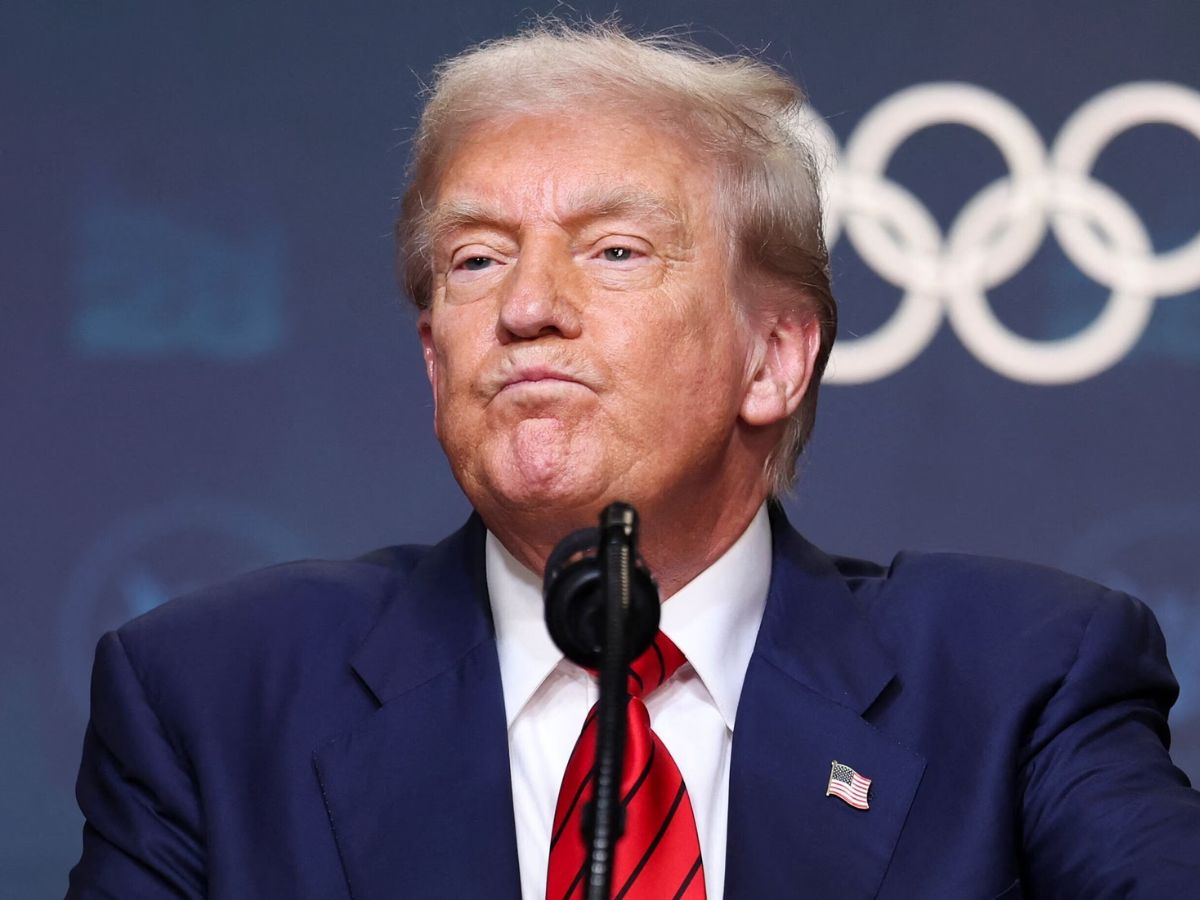
A US sanctions bill backed by Trump may impose up to 500% tariffs on India [Photo: X]
India could be staring at a fresh trade shock from the US as it moves closer to passing a hard-hitting Russia sanctions bill. The proposed legislation, backed by US President Donald Trump, targets not just Moscow but also countries that continue to buy Russian oil.
For India, this could mean a dramatic jump in tariffs from the current 50% to as high as 500%, raising serious concerns for exporters, policymakers, and bilateral trade ties in 2026.
The US is pushing a powerful new sanctions bill aimed at Russia and its trading partners, with India facing possible tariffs as high as 500% if the measure becomes law. The move represents a bold effort by the US to stop countries from buying Russian oil that the US says fuels the war in Ukraine.
The legislation, known as the Sanctioning Russia Act of 2025, has drawn support from both Republican and Democratic lawmakers. President Donald Trump has signalled his approval for the bill to advance, and Republican Senator Lindsey Graham said it could reach a vote in Congress soon.
The bill is designed to go beyond traditional sanctions and introduce economic penalties on nations that continue to import Russian energy products. Under its provisions, the President would be empowered to increase tariffs on goods from countries that knowingly buy Russian oil, gas, or related products.
Senator Lindsey Graham has described the bill as a way to “punish countries that buy cheap Russian oil fueling Putin’s war machine.” While Russia itself remains the primary target, its major energy customers are now on the radar too.
India has been one of the largest buyers of discounted Russian crude oil in recent years. Despite a decline in imports since late 2025, India's continued energy ties with Russia have drawn US criticism.
In August 2025, the United States already imposed a 25% tariff on Indian goods, which was later increased to 50% as punishment for buying Russian oil. The proposed new bill could raise this much further, to 500% on imports from countries like India, if they are deemed to be “knowingly engaging” in trade with Russian energy suppliers.
Such steep tariffs would make Indian exports to the US vastly less competitive, especially in sectors like textiles, pharmaceuticals, engineering goods and IT services. Economists warn that this could sharply reduce bilateral trade and weigh on economic growth and currency stability.
Supporters of the bill argue that cutting off revenue to Russia’s energy sector is one of the most direct ways to pressure Moscow to end its war in Ukraine. India and China together account for a large portion of Russia’s energy exports, and the bill’s authors say this trade helps finance Moscow’s war machine.
If passed, the sanctions would be part of a broader US strategy to combine diplomatic pressure with economic penalties that go even further than previous measures.
India has already sought tariff relief from the US, arguing that it has reduced its Russian oil purchases and wants to maintain stable trade relations. The Indian embassy and government officials have engaged with US lawmakers to voice these concerns, highlighting India’s position on energy security and national interest.
External Affairs Minister S. Jaishankar has said that India is monitoring developments closely and is prepared to address potential impacts on its economy and exports.
If the bill becomes law, experts warn the implications could be significant:
Investors and policymakers globally are watching the bill’s progress, as its passage could reshape trade patterns far beyond the US–India relationship.
The Sanctioning Russia Act still needs to be voted on by Congress. If lawmakers approve it, President Trump could begin imposing tariffs and sanctions tied to Russian energy trade, with countries like India, China and Brazil among those affected.
Until then, India will continue diplomatic outreach while preparing contingency plans to mitigate potential economic fallout. Observers say that this debate highlights the complex intersection of geopolitics, energy security and global trade in 2026.
