A map shared by the US Trade Representative alongside the India-US interim trade agreement showed the entire Jammu and Kashmir region, including PoK and Aksai Chin, as part of India
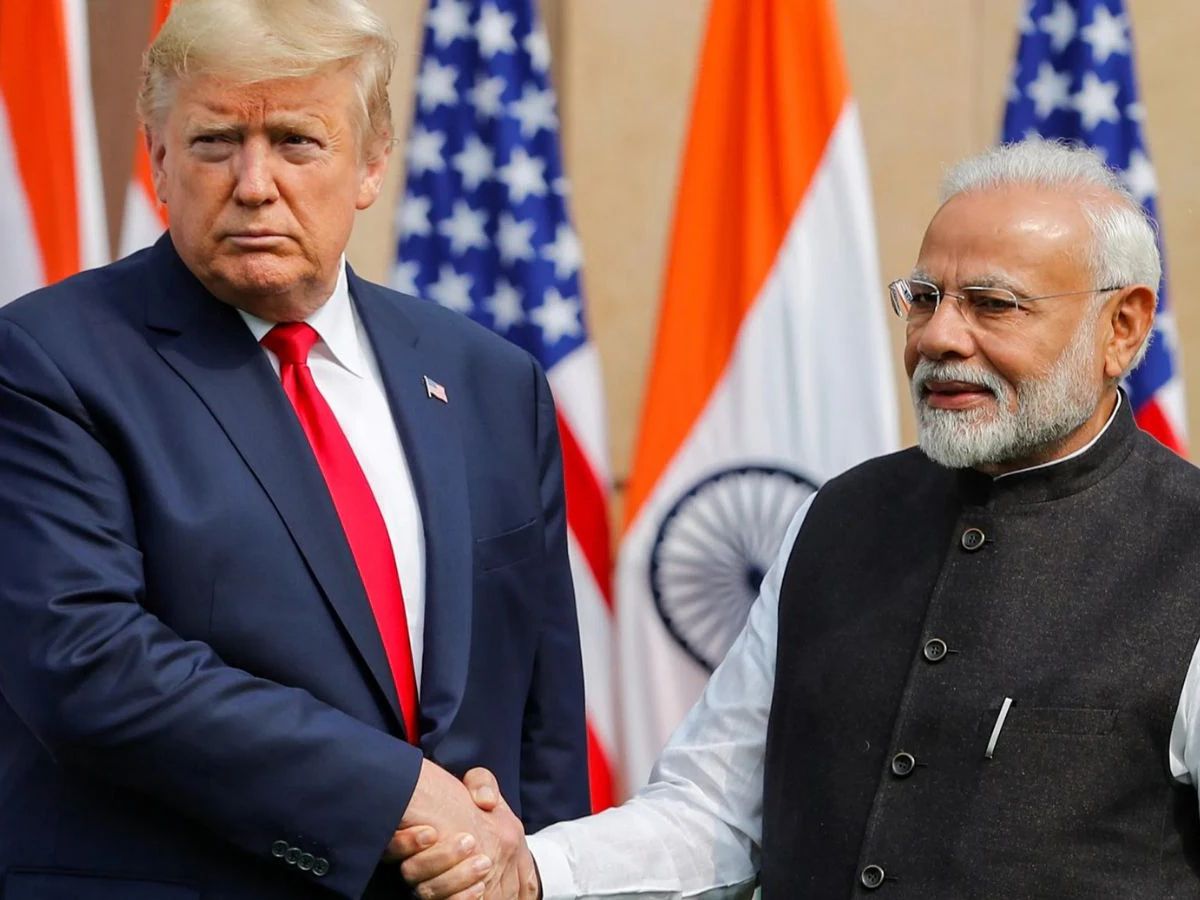
Subtle Message to Pakistan: US Map Backs India’s Claim Over Entire Jammu and Kashmir (Source: X/ Narendra Modi)
At the time of announcing the India–US Interim Trade Agreement framework, the United States Trade Representative (USTR) released a map that clearly showed the entire Jammu and Kashmir region as Indian territory. The map included Pakistan-occupied Kashmir (PoK) and Aksai Chin, both of which are disputed areas.
The map was part of the official material shared by the USTR while outlining the scope of the interim trade deal between the two countries.
From tree nuts and dried distillers’ grains to red sorghum and fresh and processed fruit, the U.S.-India Agreement will provide new market access for American products. pic.twitter.com/mqpP10LJp1
— United States Trade Representative (@USTradeRep) February 6, 2026
The map displayed Jammu and Kashmir, Aksai Chin in Ladakh, and Arunachal Pradesh firmly within India’s boundaries. This depiction matched India’s long-standing position on its territorial integrity.
It was shared publicly by the USTR in a post explaining the details of the India-US trade framework, drawing attention for accurately reflecting India’s borders despite ongoing regional disputes.
While promoting the agreement on social media, the USTR said the interim trade deal would improve access for US agricultural and food products in the Indian market.
“From tree nuts and dried distillers’ grains to red sorghum and fresh and processed fruit, the US-India Agreement will provide new market access for American products," the post said. The statement was shared along with the map that showed Indian territory in full, including disputed regions.
The map’s release comes at a time when neighbouring countries continue to assert claims over parts of Indian territory. In 2020, Pakistan released a new political map claiming Jammu and Kashmir, parts of Ladakh, and even Junagadh, Manavadar, and Sir Creek in Gujarat as its own territory. India strongly rejected Pakistan’s move, calling it “an exercise in political absurdity" and dismissing the claims as unacceptable and baseless.
China has also made repeated territorial claims against India. In August 2023, Beijing published a revised “standard map" that showed Arunachal Pradesh, which it calls South Tibet, and Aksai Chin as part of China. India responded firmly, rejecting China’s claims and stating that such maps do not change the reality on the ground.
The release of the map happened alongside the formal announcement of the India-US interim trade agreement, which was finalised after months of negotiations. The talks had taken place amid tensions over tariffs and market access issues.
The interim framework is seen as an important step in strengthening trade ties while managing sensitive political and economic issues between the two countries.
