
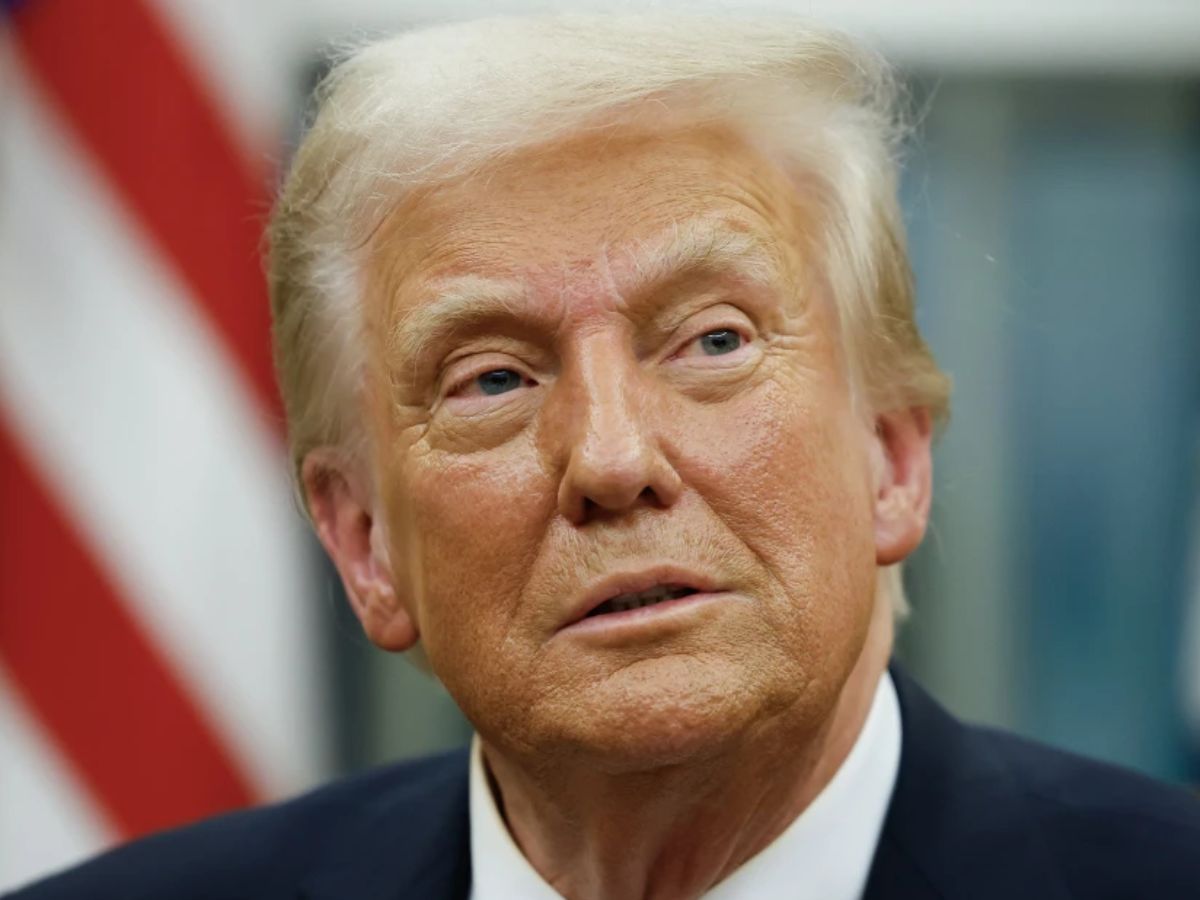
The issue of high US tariffs on Indian goods has again taken centre stage after a fresh round of remarks by US President Donald Trump. Over the past few days, Trump has warned of tougher trade penalties while also highlighting his personal ties with Prime Minister Narendra Modi and claiming that India has reduced its oil purchases from Russia to avoid US pressure.
Trump Says India Cut Russian Oil to Ease Tariffs
Speaking at a House GOP Member Retreat in Washington DC on Tuesday, Trump said he enjoys a strong relationship with PM Modi, even though trade tensions remain.
“I have a very good relationship with him (PM Modi). He’s not that happy with me because they’re paying a lot of tariffs now. But now they have reduced it very substantially, buying oil from Russia,” Trump said.
The US has imposed tariffs of up to 50% on Indian goods. Washington argues that India’s large imports of Russian oil indirectly help Moscow’s economy during the Ukraine war, which the US strongly opposes.
Tariffs Linked to Apache Helicopter Deal
Trump also referred to a past conversation with PM Modi about defence deals, especially the delivery of Apache helicopters. Recalling their exchange, Trump said, “Prime Minister Modi came to see me ‘Sir, may I see you please?’ Yes.” “We’re changing it. We’re changing it. India ordered 68 Apaches,” he added, suggesting that trade and defence ties are part of the broader negotiations.
Trump Issues Fresh Tariff Warning
Earlier, Trump had warned that India could face even higher tariffs if it does not further cut its Russian oil imports. “Modi is a very good guy and he knew I was not happy. And it was important to make me happy. They do trade and we could raise tariffs on them very quickly,” Trump said while speaking to reporters aboard Air Force One on Sunday. These remarks came after Senator Lindsey Graham publicly claimed that India was reducing its Russian oil purchases to get relief from US tariffs.
What Senator Lindsey Graham Claimed
Graham, a strong supporter of harsh penalties on countries buying Russian oil, said India’s envoy had raised the issue of tariffs during a private meeting. “I was at the Indian Ambassador’s house about a month ago and all he wanted to talk about is how they’re buying less Russian oil. Would you tell the president to relieve the tariff?” Graham said, quoting what he described as a conversation with India’s ambassador to the US, Vinay Kwatra.
Graham is pushing for tariffs as high as 500% on countries that continue importing Russian energy. “If you are buying cheap Russian oil, you keep Putin’s war machine going,” he said, adding that “we are trying to give the President the ability to make that a hard choice by tariffs.”
Trump Defends His Tariff Policy
Trump defended the overall tariff strategy, saying it benefits the US financially. “We are getting rich because of the tariffs. I hope everyone understands that,” he said during his speech.
India’s Oil Imports: Russia vs the US
Official data shows that India bought Russian oil worth $3.72 billion in November, according to figures from the Indian Commerce Ministry’s Directorate General of Commercial Intelligence and Statistics. However, data from analytics firm Kpler indicates that these purchases declined in December.
At the same time, India increased its oil imports from the United States. US oil purchases reached $1.44 billion in November. This aligns with India’s earlier commitment to raise its energy imports from the US from $15 billion to $25 billion.
In another sign of closer energy ties, Indian public sector oil companies signed a one-year deal in November with US energy firms to import 2.2 million tonnes of Liquefied Petroleum Gas. This accounts for about 10% of India’s total LPG imports.
What Lies Ahead for India–US Trade
Trump’s remarks show that tariffs, oil imports, and defence deals are now closely linked in US–India relations. While India appears to be increasing energy purchases from the US, Washington continues to use tariffs as a tool to push New Delhi away from Russian oil. For now, the trade tension remains unresolved, with both sides still negotiating their next moves.




