Inside Iran’s Protests: Iran's protests, sparked by bazaari merchants over inflation, challenge the regime. A net blackout is in place as the US warns Iran. Here’s what triggered 13 days of unrest.
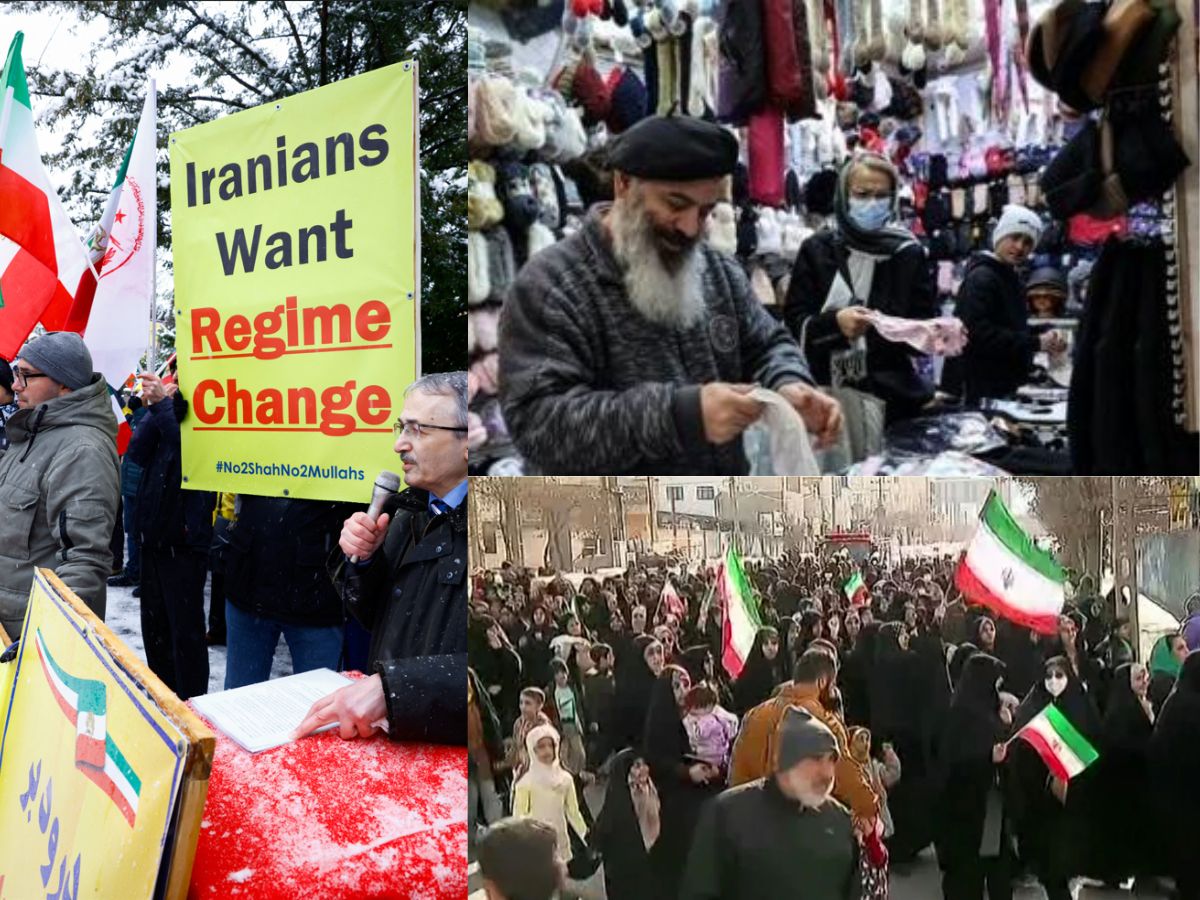
Iran cuts internet amid 13th day of protests over inflation, as US warns regime (Image: File)
TEHRAN, Iran, January 10 — Iran is moving into a thirteenth consecutive day of nationwide anti-government protests, marking its toughest challenge in years. The unrest, triggered by a sudden jump in food prices, has drawn a key traditional ally of the regime—the merchant class—onto the streets.
The protests began in Tehran's historic bazaars over rampant inflation. Prices for basics like cooking oil and chicken spiked overnight last week, partly after the central bank ended a subsidy for importers. Shopkeepers, known as bazaaris, closed their shops in protest—a rare step for a group long loyal to the 1979 Revolution. Despite government cash handouts of roughly $7 a month, anger has spread to more than 100 cities, turning into wider anti-regime protests.
The key role of bazaari merchants makes this unrest wave stand apart. This group once gave vital financial and political backing to the Islamic Revolution that ended the monarchy. Their economic anger signals an erosion of support from a core base. Protests have spread to western provinces like Ilam and Lorestan, where crowds chanted “Death to Khamenei,” directly challenging Supreme Leader Ayatollah Ali Khamenei’s authority.
Authorities have imposed a severe internet and phone blackout since Thursday, cutting Iran off from global communication. State media brands demonstrators as foreign-backed “rioters.” The Iran Human Rights NGO reports at least 45 protesters, including eight children, have been killed, with over 2,000 detained. The Revolutionary Guard Corps warned that preserving the government is its “red line.” Reformist President Masoud Pezeshkian, elected in 2024, has limited power and stated the government cannot handle the crisis alone.
U.S. President Donald Trump has threatened to “hit them very hard” if Iranian security forces kill protesters. Supreme Leader Khamenei, in his first address on the unrest, told Trump to “focus on the problems of his own country” and blamed the U.S. for incitement. The protests also feature chants supporting Reza Pahlavi, the exiled son of the former Shah, though the depth of monarchist support nationwide is unclear.
The involvement of bazaari merchants makes this wave of unrest stand out. This group once provided crucial financial and political support to the Islamic Revolution that ended the monarchy. Their economic anger points to an erosion of support from a core base. Protests have spread to western provinces like Ilam and Lorestan, where crowds chanted “Death to Khamenei,” directly challenging Supreme Leader Ayatollah Ali Khamenei’s authority.
