Israel-Iran War: Iran activates Decentralized Mosaic Defense: IRGC commanders go autonomous amid US-Israel strikes. 31 units, guerrilla shift explained—conflict changer?
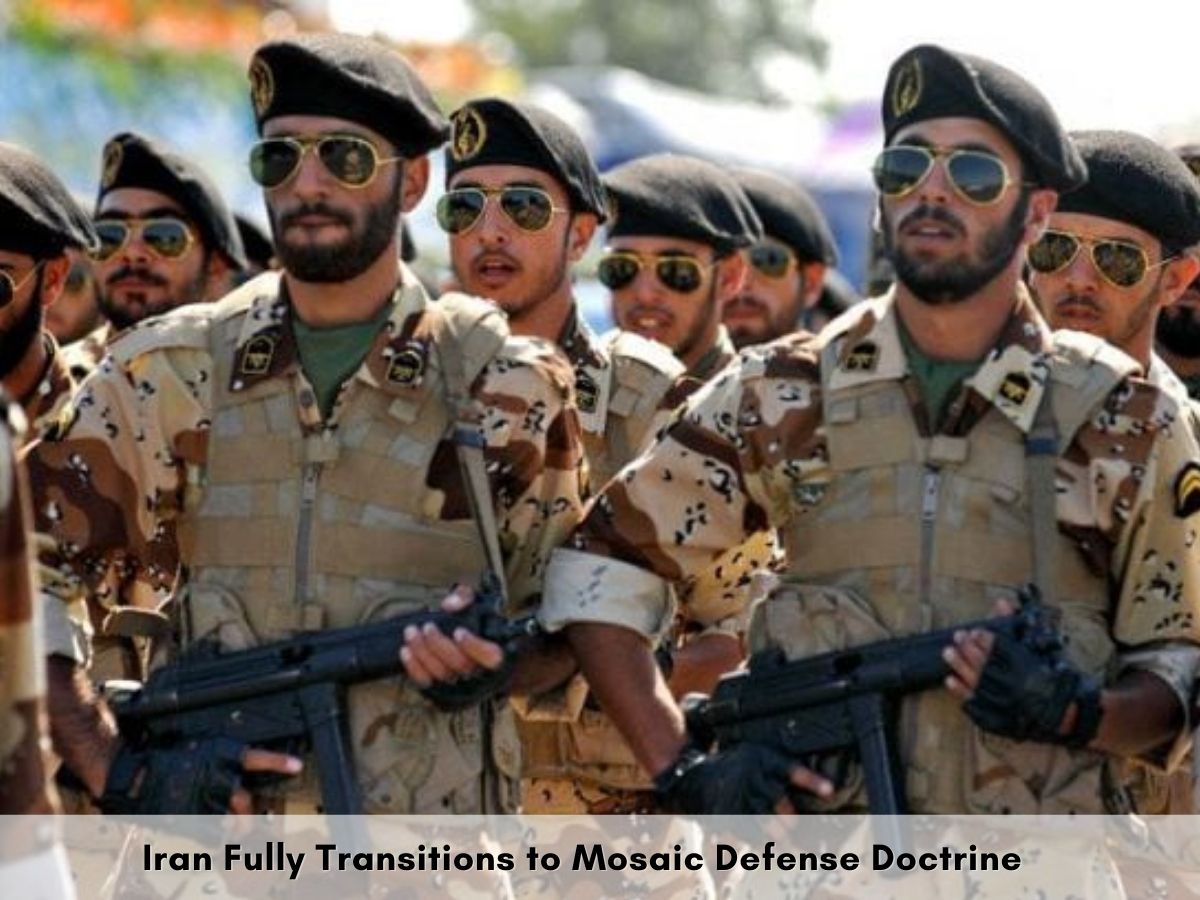
Iran IRGC Decentralized Mosaic Defense Activated: 31 Autonomous Units Defy Strikes on Tehran—How This Guerrilla Shift Changes US-Israel Game Forever (Image: X)
Israel-Iran War: Iran flipped the script on its defense playbook today, fully activating the Decentralized Mosaic Defense doctrine. This hands IRGC provincial commanders total freedom to call shots without Tehran's nod. The move ramps up after US and Israel strikes hammered central command lines.
Strikes crippled top-down control. Electronic warfare jammed comms. Central leaders faced "decapitation" hits. Iran saw the writing on the wall. Enter Mosaic Defense—built for chaos. Foreign Minister Abbas Araghchi boasted on March 1: Iran now picks "when and how" this fight wraps. No more single-point failures.
IRGC splits into 31 standalone units—one for Tehran, 30 for provinces. Each acts like a puzzle piece. Commanders get full tactical power. Fire missiles? Launch drones? Guerrilla raids? Their call. No waiting for green lights. Rugged mountains and deserts turn into kill zones. "Defense in depth" wears down invaders slow.
Old way: Everything funneled through Tehran. One big strike, whole army freezes. New way: Pieces keep fighting solo. Tested in February's "Smart Control" drills. Swarms of speedboats buzzed Strait of Hormuz. Electronic tricks jammed foes. Now live amid real war. Resilience skyrockets.
Exhaust attackers. Use terrain for ambushes. Make invasion a nightmare. History echoes Vietnam or Afghanistan traps. IRGC ground, navy, air all plug in. Provinces run their show. Tehran strike? Others ramp up. Araghchi says it locks Iran's endgame control.
Mid-February "Smart Control" exercises nailed it. Fast-attack craft swarmed in Hormuz. EW systems blinded radars. Decentralized orders flew without central okay. Proven ready. Now, post-strikes, it's go-time. IRGC's 190,000 troops plus reserves scatter smart.
Rogue units mean surprise hits anywhere. Strait chokepoints tighten. Oil flows choke. Allies like GCC sweat. US-Israel face endless pinpricks. No quick win. Escalation odds spike. World watches if mosaic cracks or multiplies the mess.
A: Doctrine splitting IRGC into 31 autonomous units for resilient fighting without central control.
A: US-Israel strikes disrupted command; ensures ops continue via provincial autonomy.
A: IRGC provincial and field commanders—no Tehran approval needed for tactics.
A: "Smart Control" exercises in February with boat swarms and EW in Strait of Hormuz.
A: Iran decides conflict's end "when and how," thanks to decentralized strength.
A: Mountains, deserts enable guerrilla "defense in depth" to exhaust invaders.
Disclaimer: This information is based on inputs from news agency reports. TSG does not independently confirm the information provided by the relevant sources.
