Iran faces fresh unrest in 2026 as the rial crashes to record lows against the dollar and rupee, fuelling protests, inflation fears and pressure on the regime.
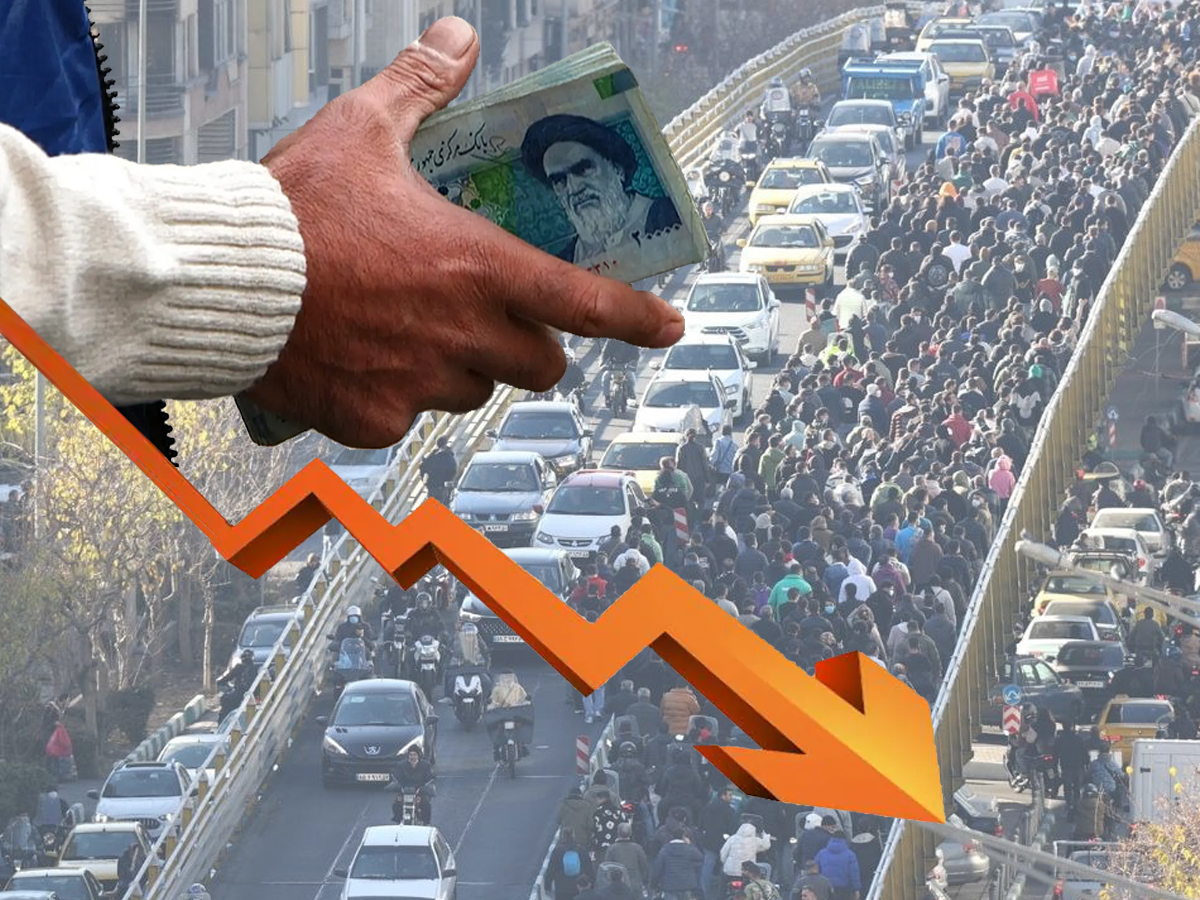
The latest wave of unrest began after Iran’s currency fell to a new historic low in open market trading late last month. (File Photo)
Iran has entered 2026 facing one of its most serious economic tests in decades as its national currency, the rial, continues to slide sharply, deepening public anger and triggering fresh protests across major cities. The currency collapse has added fuel to existing unrest, turning economic frustration into a broader challenge for the Iranian leadership.
Years of sanctions, political isolation, inflation, and mismanagement have already stretched the economy. Now, the rapid fall of the rial has pushed everyday costs beyond reach for ordinary Iranians, intensifying calls for accountability and reform.
The latest wave of unrest began after Iran’s currency fell to a new historic low in open market trading late last month. The sharp drop erased remaining confidence among traders, shopkeepers, and salaried workers, many of whom rely on daily cash flows to survive.
The tipping point came when merchants at Tehran’s Grand Bazaar, long seen as a political barometer, shut shops in protest. Demonstrations soon spread to nearby areas, including Saadi Street and the Shush neighbourhood, with videos showing crowds chanting against economic hardship.
The Grand Bazaar has historically played a major role in political movements, including the 1979 revolution. Its participation once again signalled that the crisis had moved beyond financial circles into the public sphere.
The protests reflect more than currency anxiety. Students, small business owners, and middle-class families have joined demonstrations, warning that rising prices, shrinking savings, and job insecurity are becoming unbearable.
The government responded by reshuffling key economic leadership. Mohammad Reza Farzin stepped down as governor of Iran’s central bank, and Abdolnasser Hemmati, a former economy and finance minister, took charge. However, the leadership change has done little to calm markets or street anger so far.
The rial’s decline has been dramatic. In late December 2025, the currency crashed to nearly 1,44,000 tomans per US dollar in open trading, a psychological shock for many Iranians. (One toman equals 10 rials.)
By early January 2026, $1 officially traded around 42,125 rials, while open-market rates remained far weaker. The gap between official and street prices highlights the growing disconnect between state controls and economic reality.
The rial now ranks among the weakest currencies globally, second only to Lebanon’s pound. For comparison, one US dollar currently equals around ₹90, underscoring how badly the Iranian unit has lost value.
During mid-January 2026, the exchange rate of $1 is 10,65,000 Iranian rials.
The rial’s weakness becomes even clearer when compared with the Indian rupee.
This steady erosion shows how the rial has lost purchasing power year after year, making imports costlier and regional trade more difficult.
Iran operates a tightly controlled exchange system that offers official rates inaccessible to most citizens. While global platforms price the euro at under 50,000 rials, free-market traders quote it at well over one million rials.
This stark contrast reflects inflation, capital flight, and sanctions pressure. Ordinary Iranians rely on black-market rates, which determine real living costs.
The currency crisis has added momentum to nationwide protests that began over economic issues but now question governance itself. With inflation still rising and sanctions showing no signs of easing, analysts warn that public anger could deepen in the coming months.
For now, Iran’s leadership faces a familiar but intensified dilemma: stabilise the economy without meaningful reforms, or risk prolonged unrest driven by a collapsing currency and shrinking livelihoods.
