Despite a nationwide internet blackout, Iranians are using Elon Musk's Starlink satellites to communicate, sources say. Learn how the banned tech works and its global role in conflicts.
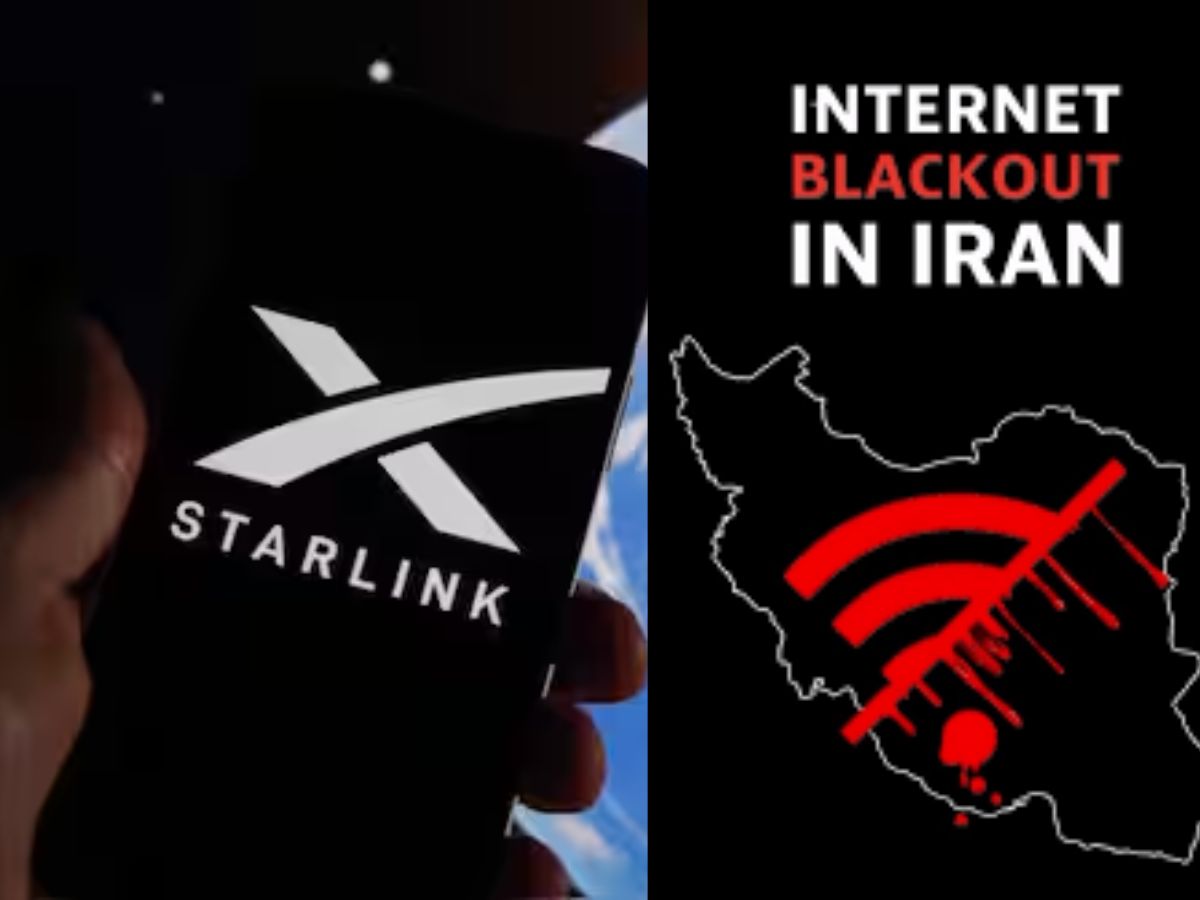
Iran's Protesters Turn to Starlink as Regime Cuts Nationwide Internet Access (Image: File)
TEHRAN, Iran, January 13 —Despite a near-total government-imposed internet blackout, some Iranians are still accessing the web using Elon Musk’s Starlink satellite service, according to three individuals inside the country. This underground use of the banned technology highlights how the service is becoming a critical tool for communication in global conflict zones where authorities restrict access.
Iranian authorities have enacted a severe nationwide communications shutdown amid widespread protests, disabling traditional fiber-optic and cellular networks. However, three users inside Iran told Reuters that Starlink’s satellite-based service remains functional in some areas. One user in western Iran stated he knows “dozens of people” using Starlink, with those in border towns largely unaffected. Internet monitor NetBlocks confirmed receiving reports of “patchy” but existing Starlink access.
Starlink operates differently from traditional internet providers. Instead of relying on ground-based infrastructure like cables and cell towers—which governments can easily shut down—it beams service directly from thousands of low-earth orbit satellites. This makes it inherently harder for a single state to block completely, though specialists suggest Iranian authorities may be attempting to jam the signals received by user terminals on the ground.
No. Following a war with Israel in June, Iran’s parliament passed a law formally banning Starlink, imposing severe penalties for anyone using or distributing the technology. The service is not licensed to operate in the country. Despite the ban, Elon Musk posted on X in June that “beams are on” in response to calls for access, and in late 2022 claimed nearly 100 active Starlinks were in Iran.
This situation in Iran is the latest example of Starlink’s growing influence in geopolitical flashpoints. The service has been a critical communication tool for Ukrainian forces since 2022, used by rebel groups and aid workers in Myanmar amid junta shutdowns, and utilized by both sides in Sudan’s civil war. Although its availability can be influenced by its owner, its function shows how private satellite internet can evade governmental control; Reuters earlier claimed that Musk cut off Starlink access during a Ukrainian counteroffensive in 2022.
Access remains limited due to cost and risk. The majority of Iranians cannot afford a regular Starlink terminal, which costs about $599 plus a monthly service fee. Under the new ban, users also face harsh fines. The service also appears to be deliberately disrupted, with experts citing possible signal jamming by authorities. U.S. President Donald Trump stated on Sunday he plans to speak with Musk about restoring internet in Iran, without specifically mentioning Starlink.
