Israel-Iran War Tensions: Israel–Iran war widens, 787 dead, oil above $80, embassies shut and Hormuz tensions threaten global energy supplies.
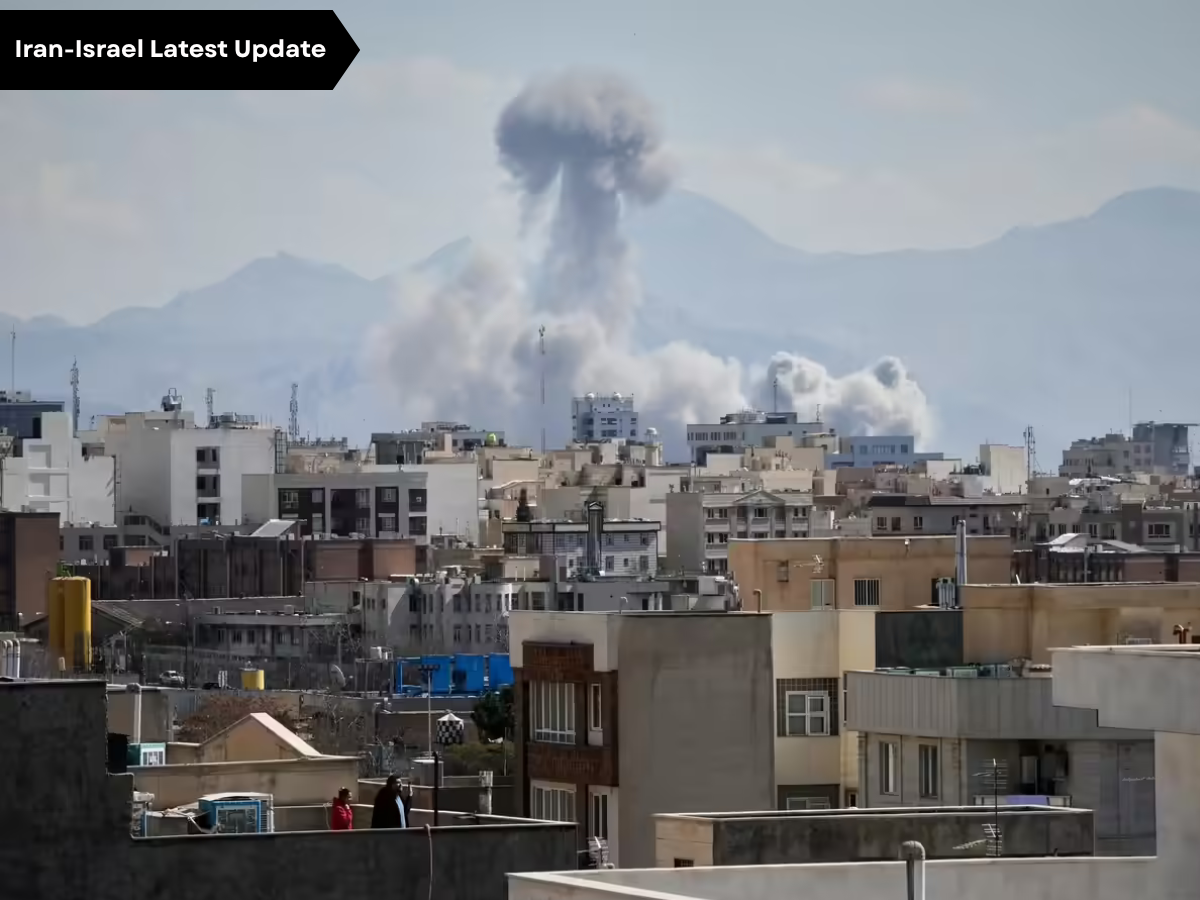
Smoke billows over fuel tanks at Oman’s Duqm port after a confirmed drone strike amid escalating regional conflict (Photo: X)
Iran-Israel Latest Update: Iran-Israel war has escalated out of isolated attacks to a territory-wide crisis of international impacts. The Red Crescent reported that at least 787 people in Iran were murdered since Saturday. The price of oil has risen to over 80 barrels per day and the Iranian officials have threatened that the price would reach 200 barrels per day in some cases in case the Strait of Hormuz is closed. Almost 1/2 of the world supply of oil or approximately 20 million barrels per day are transported through that very narrow passage making the conflict a direct menace to the world economy.
Residents across Dubai said they heard a powerful blast, with some witnesses reporting visible explosions in the distance. Officials later clarified that the sounds were linked to defensive operations. The incident unfolded against a backdrop of rising regional tensions after a series of recent strikes and counterattacks involving several Gulf nations.
The forces of Israel and the US have extended their operations by allegedly targeting Iranian state media houses and leadership compounds. In Lebanon, there has been an additional increase in air attacks, and a new incursion on the ground in the south. The Saudi officials verified two drones had hit around the US Embassy in Riyadh resulting into minor destruction. The extension of the battlefield is an indication of a war that is no longer one-sided.
Qatar’s Foreign Ministry spokesperson Majed al-Ansari has clarified that Qatar has no involvement in any military campaign against Iran. This was done through a social media statement in which he asserted that Qatar’s actions are purely for self-defense against the Iranian “attacks” on Qatari soil. Al-Ansari also urged media houses to refer to official sources to obtain information on Qatar’s stance on the issue and to refrain from misrepresenting Qatar’s position on the issue.
European Union has intervened to organize evacuation. The first member states to seek financial aid on repatriation flights are Italy, Austria and Slovakia. According to EU officials, the number of countries that are likely to follow is greater because business paths are being upset and security threats are growing.
The Revolutionary Guard of Iran has vowed to attack economic centers in the Middle East in case the attacks continue. Tehran says that it has shut the Strait of Hormuz. The passage does not only manage a fifth of all oil trade in the world but also major LNG exports in Qatar and the UAE. Even the partial embargo would cause the energy markets to enter into crisis.
Diplomatic missions are reducing. US Embassy in Oman has recommended staff and citizens to stay in place. A number of governments in the West have put new travel warnings, which encourage their citizens to evacuate the country before it is too late.
The US embassy in Beirut has halted its work until further notice, and it has cancelled routine and emergency consular services. The shutdown is a result of the increasing security insecurity in Lebanon as tensions go up due to cross border conflicts.
Authenticated video records indicate that drones hit fuel storage tanks at Duqm port in Oman. According to the authorities, the damage was limited and no deaths were reported, although one of the workers was taken aback. The attack highlights the vulnerability of critical infrastructure that is becoming more vulnerable.
Q1: Why is the Strait of Hormuz so important?
It carries about 20% of global oil supply, making it vital for energy markets.
Q2: How many casualties have been reported?
Iranian authorities report 787 deaths since the strikes began.
Q3: Are foreign nationals being evacuated?
The EU and UK are arranging evacuation flights.
Q4: Has the conflict spread beyond Iran?
The strikes and drone incidents have been reported in Lebanon, Saudi Arabia and Oman.
Q5: Could oil prices rise further?
Prolonged disruption could push crude significantly higher.
