Amid rising US-Iran tensions, here’s a detailed look at key US military bases in the Middle East and which installations have previously faced missile or drone attacks.
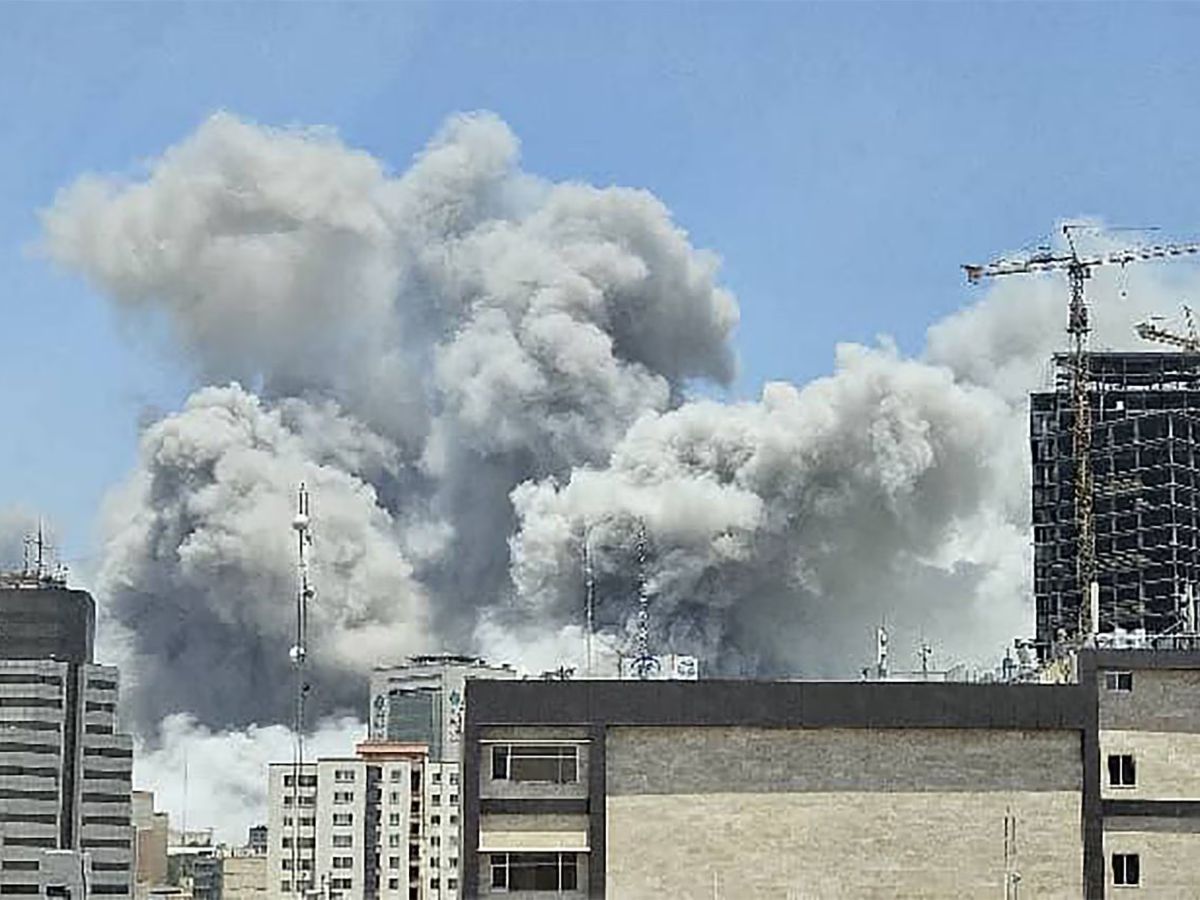
Amid rising US-Iran tensions, here’s a detailed look at key US military bases [Photo: X]
As tensions between the United States and Iran intensify following fresh military exchanges in the region, attention has shifted to the American military footprint across the Middle East. The US maintains a strong network of air bases, naval headquarters, and strategic facilities that support operations stretching from North Africa to Central Asia.
These installations play a critical role in air defence, intelligence gathering, logistics, and the rapid deployment of troops. Here is a closer look at the most important US military bases in the Middle East and why they matter in the current US-Iran conflict.
Bahrain hosts the headquarters of the US Navy’s Fifth Fleet, one of Washington’s most important naval commands. The fleet oversees operations across the Gulf, Red Sea, Arabian Sea, and parts of the Indian Ocean.
The base allows the US Navy to patrol vital shipping lanes and monitor strategic waterways such as the Strait of Hormuz. Aircraft carriers, destroyers, and other naval assets operate from this location to ensure maritime security and respond quickly to threats in the region.
The Al Udeid Air Base, located outside Doha, serves as the forward headquarters of US Central Command (CENTCOM). This command directs American military operations across a vast area that stretches from Egypt to Kazakhstan.
The base spans approximately 24 hectares and houses around 10,000 troops, making it the largest US military installation in the Middle East. The facility supports combat missions, intelligence operations, and air logistics. Fighter jets, bombers, surveillance aircraft, and refuelling tankers regularly operate from Al Udeid, giving the US rapid response capabilities across the region.
Kuwait remains a central logistics and staging hub for US forces. Camp Arifjan serves as the forward headquarters for US Army Central and coordinates troop movements and operational planning.
Ali Al Salem Air Base, located about 40 km from the Iraqi border, supports air missions and surveillance operations. Military personnel often refer to it as “The Rock” because of its remote and rugged surroundings.
Camp Buehring, established during the 2003 Iraq War, continues to function as a staging ground for US Army units deploying into Iraq and Syria. The base supports training exercises and equipment movement across operational zones.
The Al Dhafra Air Base, situated south of Abu Dhabi, operates as a shared facility between the US Air Force and the UAE Air Force. It supports surveillance missions, air combat operations, and reconnaissance deployments across the Middle East. The base has played a key role in operations against extremist groups and in broader regional security efforts.
While not officially a military base, Dubai’s Jebel Ali Port serves as the US Navy’s largest port of call in the region. Aircraft carriers and naval vessels frequently dock there for resupply and maintenance, strengthening the US naval presence in Gulf waters.
The US continues to maintain a military presence in Iraq through key installations such as Ain Al Asad Air Base in Anbar province. The base supports Iraqi security forces and contributes to NATO missions in the country. In 2020, Iranian missile strikes targeted this base following the killing of Iranian General Qasem Soleimani.
In northern Iraq’s Kurdistan Region, Erbil Air Base functions as another important hub for US and coalition forces. The base supports training drills, intelligence coordination, and logistical operations aimed at maintaining regional stability.
US forces also operate in Saudi Arabia in coordination with the Saudi government. As of 2024, more than 2,300 US troops were stationed in the country.
Prince Sultan Air Base, located roughly 60 km south of Riyadh, supports advanced air and missile defence systems. The base hosts Patriot missile batteries and Terminal High Altitude Area Defence (THAAD) systems, which strengthen regional air defence capabilities against missile threats.
Jordan hosts US forces at Muwaffaq al Salti Air Base in Azraq, about 100 km northeast of Amman. The base supports the US Air Force Central’s 332nd Air Expeditionary Wing.
American aircraft operate from this location to conduct missions across the Levant. The base also facilitates joint exercises, training missions, and strategic coordination with regional partners.
Iran’s military has reportedly struck multiple American military installations across the Middle East as part of its retaliation following joint US-Israel strikes on Iranian territory. According to regional reports, Iranian ballistic missiles targeted several key US bases, including:
These strikes form part of Tehran’s declared “True Promise” operation and represent a significant escalation amid the wider Iran-Israel conflict.
The widespread network of US military bases in the Middle East provides Washington with rapid strike capability, advanced missile defence coverage, and strong logistical support. In times of escalating tensions with Iran, these installations become central to both deterrence strategy and defensive planning.
As the regional security situation evolves, these bases will likely remain at the heart of American military operations and diplomatic calculations in the Middle East.
