Explosions rock northern Israel as air defenses intercept Iranian ballistic missiles after Tehran strikes. Sirens sound nationwide; no confirmed casualties yet.
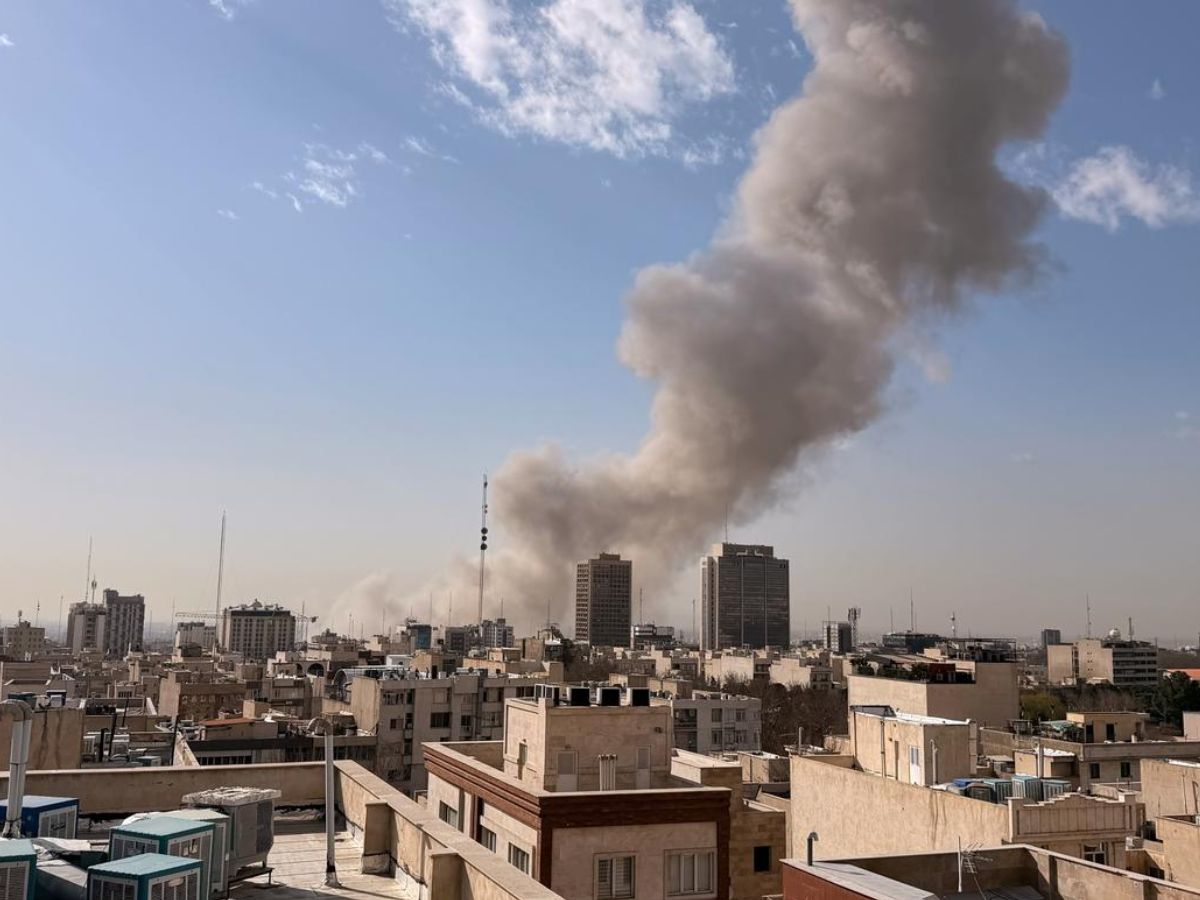
Explosions rock northern Israel as air defences intercept Iranian ballistic missiles after Tehran strikes [Photo: X]
The Middle East conflict intensified dramatically after explosions were reported across northern Israel following an Iranian missile attack. The escalation came shortly after military strikes on Tehran, triggering swift retaliation and raising fears of a wider regional war. Israeli authorities activated air defence systems, and emergency sirens sent residents rushing to shelters as tensions reached a new high.
Officials have not immediately confirmed casualties, but the fast-moving situation has placed both civilian populations and military forces on high alert. The exchange marks one of the most confrontational exchanges between Iran and Israel in recent times.
Residents across northern Israel reported loud blasts in the sky late at night as interceptor missiles engaged incoming Iranian projectiles. The explosions echoed across several towns, with flashes visible in the dark sky as air defence systems targeted the threats.
The Israeli military confirmed that it had detected missile launches from Iran and immediately deployed its defensive systems. Authorities instructed civilians to stay in shelters until further notice. Emergency services remained on standby to respond to any potential damage from falling debris.
Local officials said the explosions were likely caused by successful interceptions rather than direct hits on infrastructure. However, security agencies continued to assess the impact across affected areas.
Warning sirens blared across multiple cities as Iran launched ballistic missiles toward Israeli territory. The alerts gave residents precious seconds to move into designated protected spaces.
Defence officials stated that the country’s air defence systems were actively working to intercept the missiles. The military urged citizens to strictly follow safety instructions and remain indoors even after the initial sirens stopped, as debris from intercepted missiles could still pose risks.
Authorities temporarily restricted public gatherings and advised against non-essential travel in vulnerable regions. The situation remained fluid, with additional alerts possible depending on further launches.
The missile launches appear to follow military strikes on Tehran, which Iran views as direct aggression. Iranian leaders have repeatedly warned that they would retaliate against any attacks on their territory.
The hostility between the two nations has deep roots. Israel has long expressed concern over Iran’s nuclear program and regional military influence. Iran, in turn, accuses Israel and its allies of attempting to destabilize the region. The current exchange reflects escalating tensions and the risk of confrontation rather than proxy conflicts.
Israel operates one of the most advanced multi-layered air defence networks in the world. Radar systems detect incoming missiles within seconds of launch. Once identified, interceptor missiles launch quickly to destroy the threats mid-air.
The system aims to prevent projectiles from reaching populated areas. When interceptions occur, residents often hear loud booms caused by mid-air explosions. Authorities instruct civilians to remain in shelters for a specified time even after evacuations to avoid injuries from falling debris.
Military officials credit the defence network with preventing major damage during missile barrages. Continuous upgrades have strengthened its ability to respond to ballistic missile threats.
The situation remains highly volatile. Security experts warn that further retaliation from either side could expand the conflict beyond bilateral exchanges.
Diplomatic channels may intensify efforts to prevent a broader regional war. However, military readiness remains high on both sides. Neighbouring countries are closely monitoring developments, while global powers urge restraint.
Analysts suggest that the coming days will determine whether tensions cool through diplomatic engagement or escalate into a prolonged confrontation.
As of now, authorities have not released confirmed figures regarding casualties linked to the latest missile exchange. Officials stated that there was no immediate word on any damage or casualties from the ongoing attack.
Emergency services continue to inspect affected areas, and hospitals remain prepared for potential injuries. Any confirmed death toll or damage assessment will likely emerge after thorough ground evaluations. The region remains on edge as both nations prepare for possible further developments.
